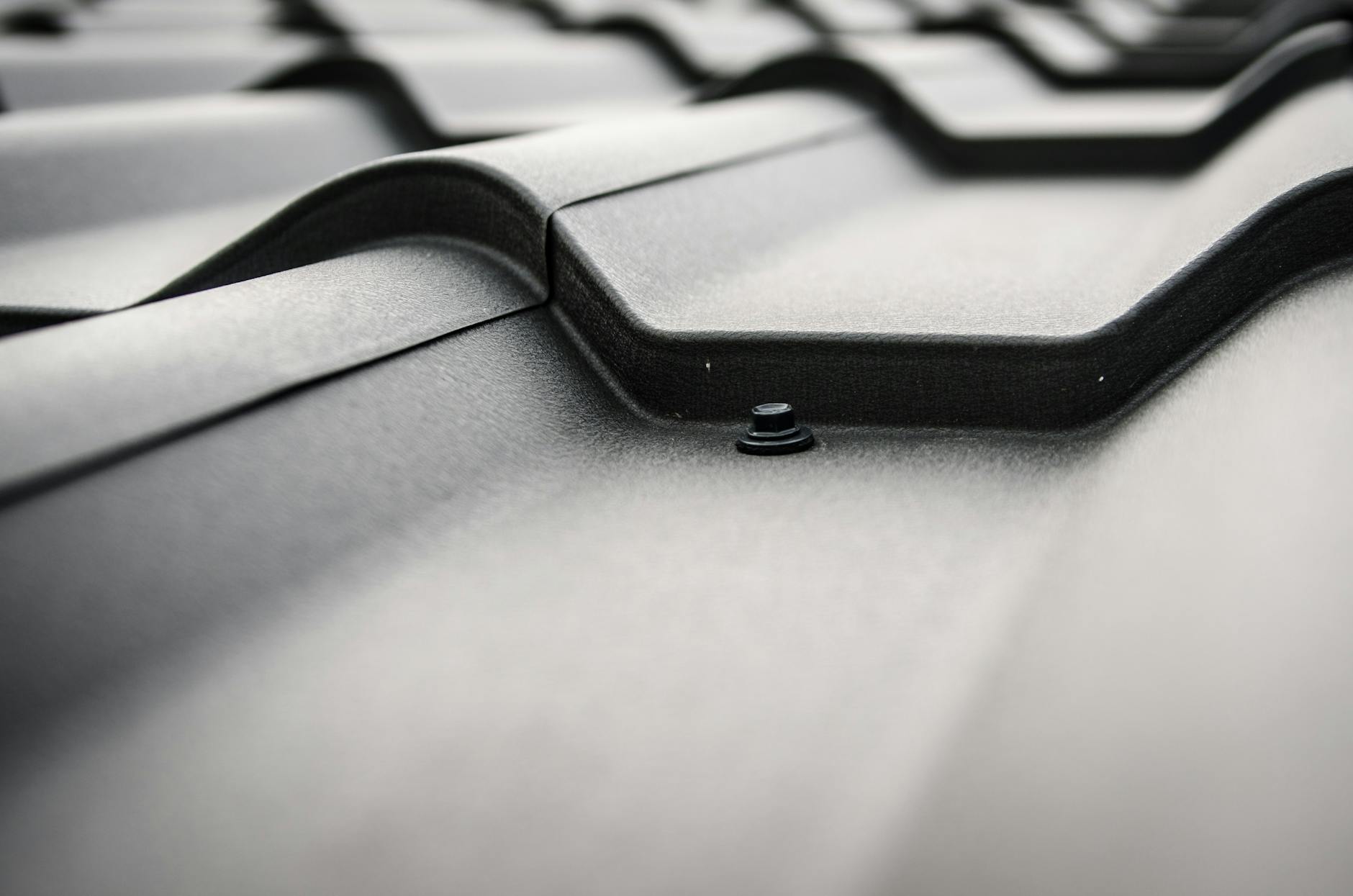
Facility teams in Cincinnati look for roofing solutions that keep operations steady, protect equipment, and support a safe workplace. A strong industrial roof feels like a quiet partner in daily activity because its condition sets the tone for the entire building. When that roof receives steady care, the structure holds up well through heavy rains, seasonal shifts, and constant foot traffic from inspectors and maintenance crews.
Many facility leaders explore options from industrial roofing contractors serving Cincinnati to secure roofs built for warehouses, plants, and distribution centers. These specialists understand how each structure carries unique demands. Their insight helps owners choose materials and maintenance plans suited to the building’s size, layout, and operational needs.
Understand Material Choices For Tough Conditions
Cincinnati’s climate encourages facility managers to study material behavior carefully. Metal, modified bitumen, and reinforced membranes each react in different ways to heat, moisture, and foot traffic. Teams that understand these traits can pick a system that protects the interior while staying durable through seasonal shifts.
Some buildings require added insulation or reflective surfaces to support temperature control. These adjustments help equipment work efficiently while keeping interior conditions steady. A clear review of these features prevents surprises and helps owners plan for resource use over time.
Plan For Repair Cycles And Inspections
Industrial roofs naturally face wear from constant activity and weather changes. Scheduled inspections help managers catch small issues at a stage when repairs are simple and cost-effective. This predictable care keeps the roof steady and prevents situations that interrupt production.
Clear communication between facility teams and roofing crews builds trust in the repair plan. When everyone understands what each inspection includes, the schedule moves smoothly, and the building stays protected. This shared clarity also helps staff prepare for maintenance days without slowing internal work.
Build Safety Into Every Roofing Decision
Safety carries real weight in industrial spaces. Roof access points, walk pads, and stable drainage help crews work safely while also protecting the roof surface. A thoughtful design encourages smooth upkeep and prevents situations that strain the structure.
Many managers choose reinforced areas near equipment to create secure pathways. These details protect both workers and the roof material, especially on buildings with heavy mechanical systems. A safe setup leads to consistent performance and peace of mind for leadership teams.
Extend Roof Lifespan Through Preventive Care
A roof that receives steady attention delivers strong value for many years. Simple actions like clearing debris, checking seals, and reviewing drainage help keep the surface healthy. These steps reduce stress on the system and help maintain steady performance through changing seasons.
Preventive care also supports reliable energy use inside the building. A sealed and insulated roof reduces strain on heating and cooling systems. This stability protects interior materials and helps owners plan budgets with fewer surprises.
Tailor Roofing Solutions To Operational Needs
Every industrial facility runs on a unique schedule and layout, so roofing plans need to match real workplace demands. Some buildings require nighttime service to avoid distractions, while others need quick turnaround due to sensitive equipment below. Contractors adapt these plans to match the flow of operations.
Managers gain the most value when roofing crews understand how forklifts, vents, loading zones, and machinery shape daily activity. This knowledge allows the team to pick materials and designs that fit the site. A well-matched system supports reliable operations year-round.
Industrial roofing contractors serving in Cincinnati play a key role in shaping how well a facility’s roof supports daily operations and long-range building plans. Their guidance helps managers choose materials and layouts that suit the structure without slowing essential tasks. A dependable roof strengthens safety, protects equipment, and supports efficient energy use throughout the year.


Leave a Reply