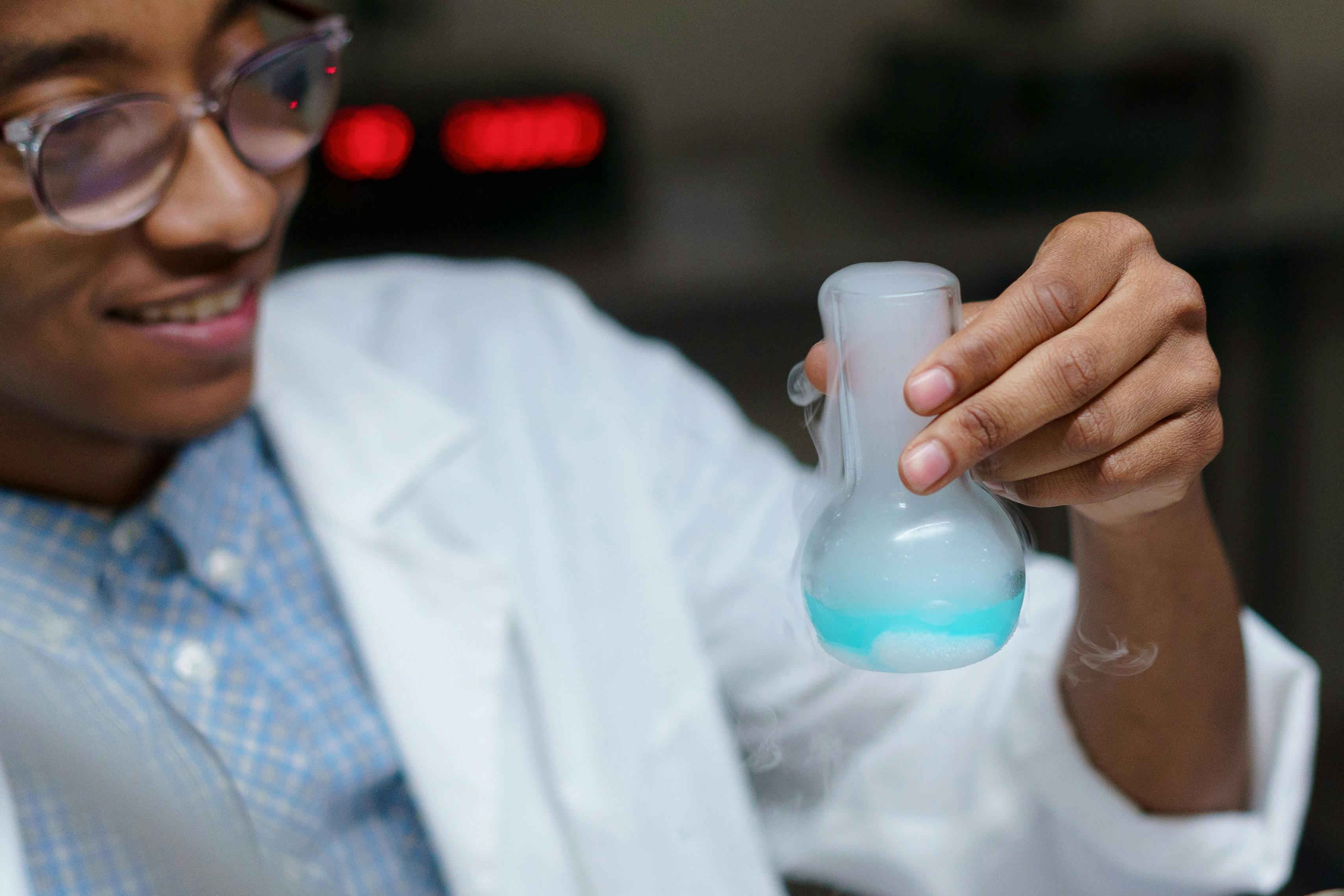
Health science is evolving at an extraordinary pace, drawing global public attention as new discoveries reshape how diseases are understood, diagnosed, and treated. Scientific innovation is no longer confined to research laboratories; instead, it is becoming a visible and influential force in everyday life. From groundbreaking regenerative therapies to the integration of advanced data technologies, these developments are changing expectations around longevity, quality of life, and the future of medicine.
The growing accessibility of health information has also increased public awareness and curiosity. People now actively follow medical breakthroughs, clinical research updates, and emerging therapies that promise to address conditions once considered difficult or impossible to manage. This shift reflects a broader cultural interest in proactive wellness, prevention, and personalized treatment approaches.
Regenerative Medicine and the Promise of Repair
One of the most compelling areas of modern health science is regenerative medicine. This field focuses on restoring or replacing damaged tissues and organs, often using advanced cellular technologies and bioengineering methods. The concept of repairing the body at a biological level has captured public imagination, particularly as clinical trials and real-world applications continue to expand.
Scientists are exploring innovative techniques that may help patients recover from musculoskeletal issues, neurological conditions, and degenerative disorders. Increased visibility around specialized therapies, such as stem cell treatments provided by auragens.com, demonstrates how targeted regenerative approaches are becoming part of mainstream health conversations. As awareness grows, patients are more willing to consider treatments that emphasize natural healing mechanisms and long-term functional improvement.
Artificial Intelligence and Precision Diagnostics
Another major development gaining attention is the role of artificial intelligence in healthcare. AI-powered systems are transforming how clinicians interpret medical data, identify patterns, and make treatment decisions. Advanced algorithms can analyze imaging scans, genetic information, and patient histories at remarkable speed, potentially improving diagnostic accuracy and enabling earlier intervention.
Public interest in AI-driven medicine stems from its potential to deliver more personalized care. Instead of relying solely on standardized protocols, healthcare professionals can increasingly tailor treatments based on individual biological and lifestyle factors. This precision approach resonates with people seeking more targeted and effective health solutions, especially in complex conditions where traditional methods may fall short.
Breakthroughs in Bioengineering and Medical Technology
Technological innovation is also reshaping how healthcare devices and therapies are developed. Bioengineering advancements have led to the creation of sophisticated prosthetics, wearable health monitors, and tissue-engineered constructs designed to support recovery. These innovations are attracting widespread attention because they offer practical improvements to daily living and long-term health outcomes.
The integration of digital tools into healthcare has further expanded possibilities. Virtual simulations, remote monitoring platforms, and smart medical systems allow patients and clinicians to collaborate more closely than ever before. This enhanced connectivity is particularly valuable in managing chronic conditions, where continuous observation and early adjustments can make a significant difference in overall well-being.
Personalized Wellness and Preventive Strategies
Beyond treatment-focused breakthroughs, health science is increasingly emphasizing prevention and lifestyle optimization. Research into nutrition, mental health, and environmental influences has highlighted the importance of holistic wellness strategies. Public enthusiasm for preventive care reflects a growing recognition that health is shaped by daily habits as much as by clinical interventions.
Personalized wellness plans, supported by emerging scientific insights, encourage individuals to take a more active role in maintaining their health. From tailored fitness programs to individualized nutritional guidance, these approaches aim to reduce the likelihood of illness while enhancing vitality and resilience.
Looking Ahead to the Future of Health Science
The continued evolution of health science suggests that even more transformative developments are on the horizon. As interdisciplinary collaboration strengthens and new technologies emerge, the boundaries of what is medically possible will continue to expand. Public attention will likely remain focused on innovations that promise improved recovery, longer lifespans, and better quality of life.
Ultimately, the excitement surrounding modern healthcare advances reflects a shared hope for a future in which science empowers individuals to live healthier, more fulfilling lives.




Leave a Reply