Bidets are becoming popular in many households, offering a high level of cleanliness and a refreshing bathroom experience. Understanding how to use a bidet can significantly enhance personal hygiene. Initially intimidating for some, these devices are simple and effective when used correctly. We’ll guide you through the different types, how they operate, and provide a practical guide for beginners. Whether you’re traveling or upgrading your bathroom, learning to use a bidet is a valuable addition to your hygiene routine.

Types of Bidets You Should Know
Bidets come in various designs and functionalities, each catering to different needs and preferences. Here are the main types you should be familiar with.
Handheld Bidet Sprayers
Often similar in appearance to a kitchen spray nozzle, handheld bidet sprayers provide flexibility. Mounted next to the toilet, the user controls the direction and pressure of the spray, allowing for personalized cleaning. They’re economical and easy to install, making them a popular choice in many households and a quick upgrade for any bathroom.
Bidet Toilet Seats
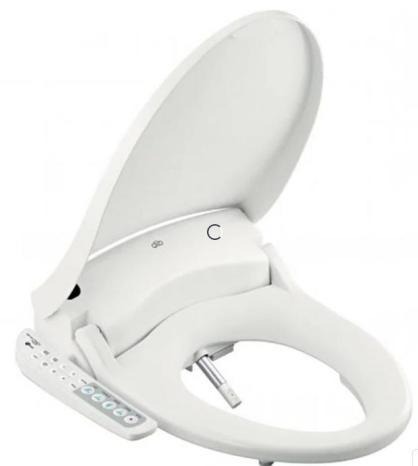
These seats are an upgrade to your existing toilet, integrating easily with the existing plumbing. Equipped with retractable nozzles, heated seats, and adjustable water pressures, they offer an advanced cleaning experience. Some models even include air dryers and deodorizers. Bidet toilet seats are perfect if you’re looking for a seamless and tech-savvy solution for your bathroom.
Standalone Bidets
Standalone bidets are a separate plumbing fixture usually placed next to your toilet. Resembling a low sink, they require you to straddle the fixture to use it. Although they require more space, they offer comprehensive cleaning, allowing for washing different parts of the body. Standalone bidets are more common in Europe yet offer a luxurious addition to any bathroom.
How Do Bidets Work
Bidets operate by directing a stream of water to cleanse your nether regions after using the toilet. This process helps reduce toilet paper usage, offering an eco-friendly cleaning option. Most bidets have adjustable water pressure and temperature controls, ensuring a customizable experience for every user. Depending on the type, some bidets might have nozzle positions you can modify to suit your preference. Advanced models might include air drying, massage functions, or even night lights to enhance your bathroom routine. With modern technology, bidets provide an effective clean while ensuring user comfort and convenience.
Step-by-Step Guide to Using a Bidet
You’ll find using a bidet is straightforward with a little practice. Follow this step-by-step guide to get started.
Step 1: Use the Toilet First
Before using the bidet, finish using the toilet as usual. Whether it’s for urination or defecation, complete this step first. Ensure you’re comfortable and thorough, as the bidet is meant only to clean and not replace the use of toilet paper entirely. Once you’ve finished, you can move on to the bidet process.
Step 2: Position Yourself Properly
For standalone bidets, straddle the bidet facing the controls. For bidet toilet seats and handheld sprayers, remain seated on the toilet. Ensure you are seated comfortably and securely. Proper positioning ensures the water reaches the right area effectively, providing optimal cleaning and comfort.
Step 3: Adjust Water Pressure and Temperature
Carefully turn on the water, beginning with a low-pressure setting to avoid discomfort. Gradually adjust the water pressure and temperature to your liking. Familiarizing yourself with the controls beforehand can prevent surprises and ensure a more pleasant experience.
Step 4: Clean Yourself Thoroughly
Allow the water to cleanse you, moving around slightly if needed to reach desired areas. Most nozzles are adjustable, so modify their direction until you’re satisfied. Spend adequate time cleaning to ensure thoroughness and optimal hygiene.

Step 5: Dry Yourself After Use
After cleansing, you may use a small amount of toilet paper or a clean towel to dry yourself. Some bidets offer an air-dry feature, providing a hands-free drying option. Drying prevents discomfort and potential irritation after using the bidet.
Tips for First-Time Bidet Users
For newcomers, it’s best to start with a low water pressure setting to prevent surprises. Familiarize yourself with the controls before your first use. Take advantage of practice time when you’re not in immediate need. Remember, bidets complement toilet paper use and aren’t a total replacement. Don’t be intimidated; practice makes perfect, and soon using a bidet will become second nature.

Choosing the Right Bidet for Your Bathroom
Consider your bathroom size, plumbing configuration, and personal preferences when selecting a bidet. Handheld sprayers are perfect for small spaces, while standalone models offer luxury if space and budget allow. Factor in available features like heated seats, adjustable nozzles, and air dryers. An informed choice ensures you’ll enjoy both functionality and comfort, making your bidet an integral part of your bathroom routine.
Conclusion
Using a bidet correctly enhances personal hygiene and provides an eco-friendly alternative to toilet paper. With many types and features, bidets cater to various needs and preferences. Start with the basics, learn the controls, and enjoy the superior cleanliness a bidet offers. Incorporating this into your daily routine can transform your bathroom experience. Embrace the change and enjoy the comforts of modern hygiene solutions.




Leave a Reply