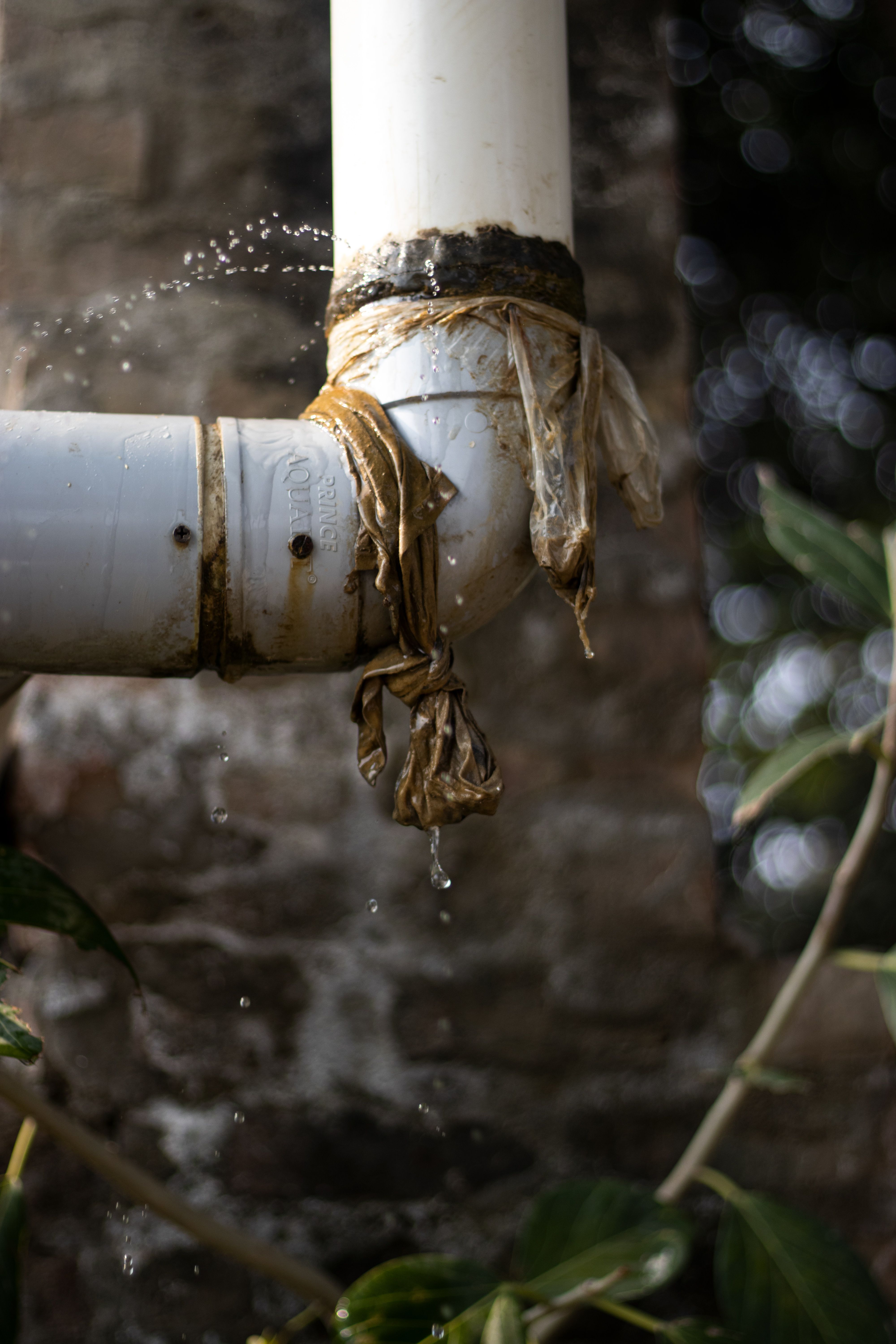
A single slab leak can waste tens of thousands of gallons of water before anyone notices it. By the time a homeowner sees warped flooring or a mysteriously high water bill, the pipe underneath the concrete foundation may have been failing for weeks or even months. It is one of the most disruptive plumbing problems a homeowner can face, and it is also one of the most commonly misunderstood.
This guide walks through everything a homeowner needs to know: what causes slab leaks, how they get detected, what repair options actually exist, and how to decide which one makes the most financial and practical sense for a specific home.
What Is a Slab Leak, and Why Does It Happen?
A slab leak is a leak that occurs in the water supply or drain lines running beneath a home’s concrete foundation. In most Houston-area homes built before the late 1990s, those pipes are copper or galvanized steel, two materials that hold up reasonably well for decades but eventually degrade in predictable ways.
The most common causes:
- Corrosion and mineral buildup. Houston’s water supply is moderately hard, which accelerates mineral deposits inside copper and galvanized pipes over time. The interior walls narrow, pressure builds, and pinhole leaks develop.
- Pipe abrasion. Pipes that rest directly against concrete shift slightly as the slab settles. That constant low-level friction eventually wears through the pipe wall.
- Thermal expansion. Hot water lines expand and contract with every use. Over decades, the repeated movement stresses joints and bends, especially in copper.
- Poor original installation. Pipes laid with insufficient slope, sharp bends, or inadequate protection from the concrete mix can fail years ahead of schedule.
- Soil movement. Houston’s clay-heavy soil swells when wet and contracts in drought. Foundation movement puts stress on embedded pipe runs in ways that are almost impossible to see coming.
Age is the strongest predictor. A home built in 1975 with original copper supply lines is not a question of if a slab leak will occur; it is closer to a question of when.
The Warning Signs Most Homeowners Miss
Slab leaks are often silent for a long time. The water travels through the concrete rather than immediately surfacing, which is why the following signs deserve a closer look rather than a wait-and-see response.
Signs worth investigating:
- A water bill that has spiked without any obvious explanation
- The sound of running water when all fixtures are off
- Warm or hot spots on tile or hardwood floors (a strong indicator of a hot water line leak)
- Flooring that is buckling, soft, or stained near walls or in the middle of a room
- Mold or mildew smell at floor level
- Low water pressure at multiple fixtures at once
- A water meter that keeps moving even when nothing in the house is running
That last one is easy to test. Turn off every fixture and appliance that uses water, then go outside and watch the meter. If the dial or digital display keeps moving, water is escaping somewhere in the system.
How Slab Leaks Are Detected
Proper detection is not a DIY job. The methods used by qualified plumbers are non-invasive and far more accurate than guesswork, which matters because the alternative is jackhammering the wrong section of a floor.
Common detection methods:
- Electronic leak detection. Sensitive listening equipment amplifies the sound of water escaping through a pressurized line. Trained technicians can narrow a leak to within a few inches.
- Thermal imaging. Infrared cameras detect temperature differences in flooring caused by a leaking hot water line. This works particularly well on tile floors.
- Hydrostatic pressure testing. A plumber caps the drain lines and fills them with water to hold pressure. Any drop in pressure confirms a leak in the drain system. This test is also commonly required during real estate transactions in Texas.
- Video pipe inspection. A camera fed through cleanouts or access points can visually confirm deterioration, joint failure, or blockages in drain lines.
Getting the detection right before any repair work begins is critical. A misdiagnosed location leads to unnecessary concrete cutting and added cost.
The Three Repair Options Explained
Once a slab leak is confirmed and located, homeowners typically have three options. Each one suits a different scenario, and understanding the logic behind each choice makes the contractor conversation much easier.
Option 1: Spot Repair
Spot repair means cutting into the slab at the leak location, replacing just the damaged section of pipe, and patching the concrete.
When it makes sense:
- The home has relatively new or well-maintained pipes overall
- This is the first leak in the system
- The leak location is accessible and straightforward
- The home is newer (say, under 15 years old) and corrosion is not widespread
The honest drawback: Spot repair addresses one problem in a system that may have the same underlying failure conditions throughout. If the pipe material is aging uniformly, another leak often appears within a year or two. In older homes, spot repair can become an expensive cycle.
Option 2: Pipe Reroute
A reroute bypasses the damaged underground section entirely. Instead of accessing the pipe through the slab, a plumber runs a new line through the walls, attic, or crawl space.
When it makes sense:
- The leak is in a section that would require extensive, damaging concrete work to access
- The rest of the plumbing is in reasonable condition
- The homeowner wants to avoid future issues in that specific run
The honest drawback: A reroute is a surgical fix. It does not address the broader pipe system. If a home has galvanized or older copper throughout, a reroute of one line still leaves the rest of the house at risk. It is also worth knowing that wall or attic routing adds its own labor and material costs, so the price gap between a reroute and a full repipe can be smaller than homeowners expect.
Option 3: Full House Repipe
A full repipe replaces every supply line in the home, typically with PEX-A or copper, and removes the aging material that caused the problem in the first place.
When it makes sense:
- The home is 25 years or older with original galvanized or copper supply lines
- There have been multiple leaks or repairs within the past few years
- Water pressure or water quality issues are present throughout the home
- A real estate inspection has flagged plumbing condition as a concern
- The homeowner plans to stay long-term and wants to eliminate recurring plumbing costs
This is the option that actually solves the root cause. Working with repipe specialists in Houston who do this work daily, rather than a generalist plumber who repiped a home once last year, makes a significant difference in both execution quality and project timeline.
Why PEX-A specifically? Of the pipe materials available today, Uponor PEX-A is widely regarded as the premium option for residential repiping. Its cross-linked molecular structure makes it more flexible than standard PEX-B or PEX-C, more resistant to freeze damage, and better at self-correcting minor kinks without fracturing. It handles Houston’s thermal cycling well, and it does not corrode or develop the mineral buildup that shortens the life of metal pipes.
How to Evaluate Which Option Is Right for Your Home
The right choice depends on three main variables: the home’s age, the pipe material, and the leak history.
A quick framework:
| Situation | Recommended Direction |
|---|---|
| First leak, home under 15 years old, copper in good shape | Spot repair is reasonable |
| First leak, home 20 to 30 years old, minor corrosion elsewhere | Reroute or repipe depending on scope |
| Recurring leaks, home 25+ years, galvanized or older copper | Full repipe, spot repair is a short-term fix |
| Pre-sale inspection flagging plumbing condition | Hydrostatic test first, then repipe if system is compromised |
| Slab leak plus low pressure plus rusty water | Full repipe, all three symptoms together point to systemic failure |
One useful benchmark: according to the Insurance Institute for Business and Home Safety, water damage from plumbing failures is one of the leading causes of homeowners insurance claims in the United States. Repeated spot repairs on an aging system do not reduce that risk meaningfully.
Questions to Ask Any Contractor Before Agreeing to a Scope of Work
This is where homeowners frequently lose money. A vague or incomplete scope of work leads to surprise costs, rework, and disputes. Before signing anything, ask:
- What pipe material are you using, and why? Push for specifics. “PEX” covers a wide range. Ask whether it is PEX-A, PEX-B, or PEX-C. The manufacturing process and performance characteristics differ.
- Does your quote include drywall repair and paint after access holes are cut? Many contractors leave this out. Make sure the quote covers restoring walls to their original condition, not just the plumbing work itself.
- Will you pull permits for this job? Licensed plumbers in Texas are required to pull permits for repipe work. A contractor who skips permits is cutting corners in ways that can affect insurance, resale, and liability.
- What does the warranty cover, and is it transferable? A non-transferable warranty stops protecting the home the moment it changes hands. Ask specifically whether the warranty transfers to a new owner, which matters significantly at resale.
- How long will water be off each day? A professional repipe crew should be able to restore water at the end of each working day. If the answer is vague, that is a red flag.
- How do you price the job? Per-fixture pricing is transparent and protects homeowners from location-based markups. Be cautious of quotes based on home square footage alone, which can shift depending on how rooms are counted.
- Have you done this specific type of repipe before? Galvanized-to-PEX conversion is different from copper-to-PEX. Ask for examples of similar projects and, ideally, references from homeowners in similar homes.
Key Takeaways
- Slab leaks in Houston-area homes are most commonly caused by aging galvanized or copper pipes, soil movement, and mineral buildup from moderately hard water.
- Detection should always precede any repair work, using electronic listening devices, thermal imaging, or hydrostatic testing, to pinpoint the exact leak location and avoid unnecessary concrete cutting.
- Spot repair is appropriate for younger homes with isolated issues; reroutes work for specific line failures; a full repipe is the only solution that removes the root cause in aging systems.
- Homes over 25 years old with original pipe materials and a history of multiple leaks should be evaluated for full repiping, not just patched again.
- Before agreeing to any scope of work, ask about pipe material specifics, permit pulling, warranty transferability, drywall restoration, and daily water restoration.
Frequently Asked Questions
How much does it cost to repair a slab leak in Houston? Costs vary widely depending on the repair method. A spot repair typically ranges from $500 to $2,000 depending on access difficulty. A reroute can run $1,500 to $4,000. A full house repipe in the Houston area generally falls between $4,000 and $16,000 depending on home size and number of fixtures. Getting a fixed per-fixture quote protects homeowners from vague estimates that can shift after work begins.
Will homeowners insurance cover a slab leak repair? Most standard homeowners insurance policies cover the resulting water damage, meaning flooring, drywall, and structural repairs, but not the plumbing repair itself. Coverage varies significantly by policy, so it is worth calling the insurance carrier directly before work begins to understand exactly what is and is not covered.
How long does a whole-house repipe take? Most professional repipe crews complete a full house repipe in one to two days. Water is typically restored at the end of each working day, so the actual disruption to daily life is closer to five to six hours rather than days without running water.
Can I stay in my home during a repipe? In most cases, yes. A repipe done by an experienced crew does not require homeowners to vacate. Water is shut off during working hours and restored each evening. The main inconvenience is temporary noise and the presence of a work crew, not a lack of basic utilities.
What is the difference between PEX-A and regular PEX? PEX-A is manufactured using the Engel (peroxide) method, which creates a more uniform cross-link structure throughout the pipe wall. This makes it more flexible, more resistant to stress cracking, and better at self-correcting after kinking compared to PEX-B or PEX-C. Uponor is the most recognized brand name in PEX-A residential piping and is widely used by specialist repipe contractors for exactly these reasons.
Conclusion
A slab leak is not a problem that gets better with time. It either gets repaired properly or it gets worse, often in ways that compound the cost and damage significantly. Understanding the detection methods, knowing the real difference between repair options, and asking the right questions before work begins puts homeowners in a much stronger position to make a smart decision rather than a reactive one.
For homes with a long leak history or original pipes from the 1970s or 1980s, the most financially sound move is almost always a full repipe. Look for contractors who offer a lifetime guarantee on all repiping projects, pull proper permits, restore walls after the work, and use premium materials like Uponor PEX-A. Those details separate a proper repipe from one that will need revisiting in five years.
The goal is not just fixing the current leak. The goal is never thinking about the pipes again.




Leave a Reply