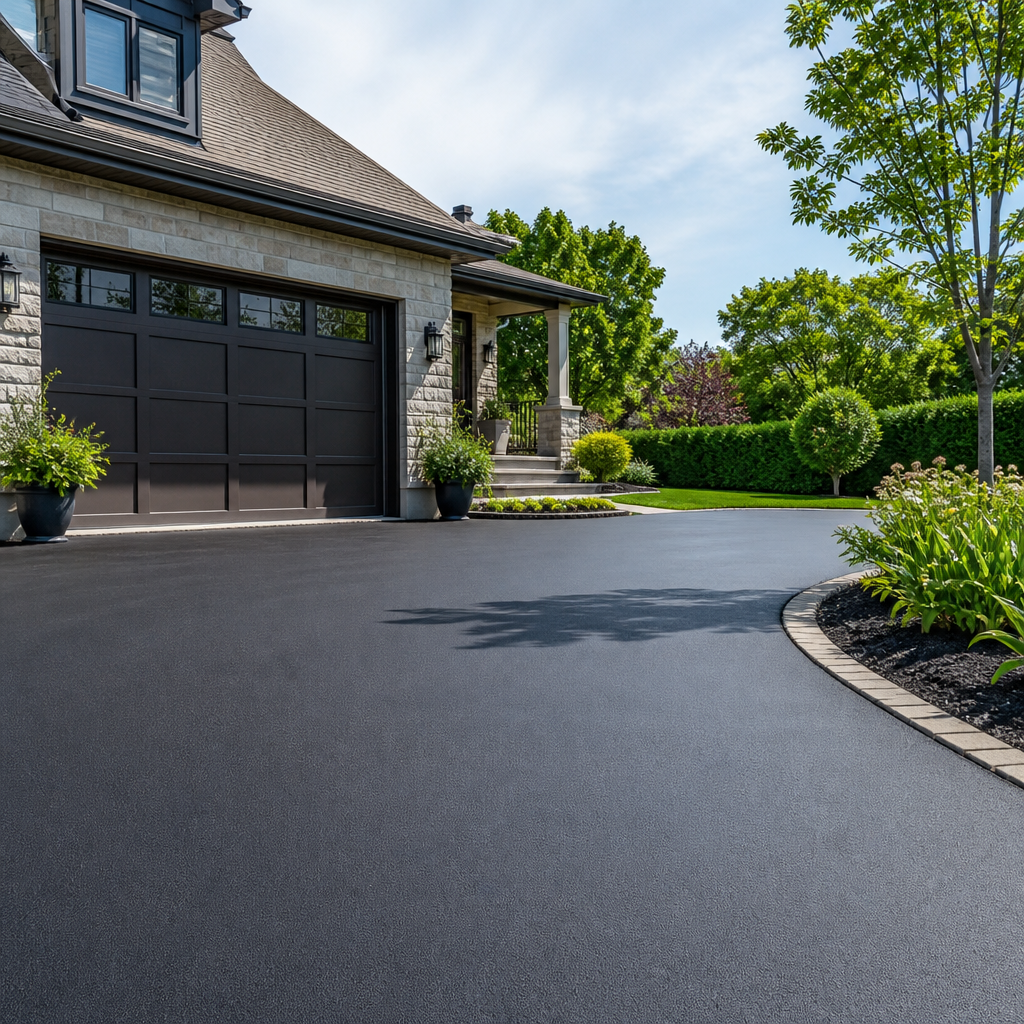
Every homeowner eventually faces the reality of driveway deterioration. Cracks appear, color fades, and what was once a smooth, clean surface begins to look worn and neglected. The good news is that proactive maintenance — particularly sealing — can dramatically extend the life of an asphalt driveway and save thousands of dollars in premature replacement costs. Understanding why sealing matters, when to do it, and who to trust with the job makes all the difference between a driveway that lasts decades and one that crumbles within years.
The Science Behind Asphalt Degradation
Asphalt is a durable material, but it is not impervious to the elements. Its primary binder — bitumen — is a petroleum-based compound that naturally oxidizes when exposed to UV radiation, oxygen, and temperature fluctuations. Over time, this oxidation causes the asphalt to become brittle, lose its flexibility, and develop surface cracks. Water infiltrates those cracks, expands during freeze-thaw cycles, and accelerates structural breakdown from the inside out.
Beyond weather, chemical exposure plays a significant role. Oil drips, gasoline spills, and road salt all degrade the binder that holds asphalt aggregate together. Without a protective coating, these substances penetrate the surface and weaken the pavement’s structural integrity. This is precisely why sealing is not merely cosmetic — it is a functional barrier against the forces that destroy asphalt from the surface down.
Sealing vs. Replacement: Understanding the Cost Difference
One of the most compelling arguments for regular sealing is the stark contrast in cost between maintenance and full replacement. A professional seal coat application is a fraction of the price of tearing out and repaving a driveway. When homeowners neglect sealing for years, they often find themselves facing a complete repaving project that could have been avoided with routine care.
When comparing pavement materials and their long-term costs, it is worth noting that asphalt and concrete driveways each carry distinct maintenance requirements and lifetime expenses. Asphalt tends to be more affordable upfront and easier to repair, but it requires periodic sealing to maintain its performance. Concrete, while more durable in certain climates, is significantly more expensive to install and repair. For most homeowners, a well-maintained asphalt driveway sealed every two to three years represents the best balance of cost and longevity.
When Should You Seal Your Asphalt Driveway?
Timing matters when it comes to sealing. New asphalt should cure for at least six months to a year before the first seal coat is applied. Sealing too early can trap gases and prevent proper curing, which weakens the surface rather than protecting it. After the initial application, most driveways benefit from resealing every two to three years, depending on traffic volume, climate, and exposure to chemicals.
Seasonal timing is equally important. Sealcoating should be applied during warmer months when temperatures consistently stay above 50 degrees Fahrenheit. The material needs adequate heat and dry conditions to cure properly. Applying sealer before rain or in cold weather leads to poor adhesion, uneven coverage, and a finish that peels or washes away prematurely.
The Benefits of Professional Paver and Asphalt Sealing
While DIY sealcoating products are available at hardware stores, professional application delivers results that consumer-grade materials simply cannot match. Contractors use commercial-grade sealers with higher solid content, apply them with specialized equipment for even coverage, and have the expertise to address existing cracks and surface damage before sealing. The result is a more durable, longer-lasting finish that genuinely protects the pavement rather than just darkening its appearance temporarily.
For those interested in the broader scope of pavement protection, understanding paver sealing benefits and best practices provides valuable insight into how protective coatings work across different surface types. Whether the surface is asphalt, concrete pavers, or brick, the underlying principle is the same: sealing creates a barrier that repels water, resists staining, and slows the oxidation process that leads to premature aging.
What a Quality Seal Coat Application Looks Like
A professional sealcoating job involves more than simply rolling or spraying a dark liquid onto a driveway. The process begins with thorough cleaning — removing dirt, oil stains, and vegetation from cracks. Any existing cracks wider than a quarter inch should be filled with crack filler before sealing to prevent water infiltration. Edges are carefully cut in by hand, and the sealer is applied in two thin coats rather than one thick layer, which ensures better adhesion and a more uniform finish. The surface must then be kept free of traffic for at least 24 to 48 hours while the sealer cures.
Choosing the Right Asphalt Coating Professional
Not all sealcoating contractors deliver the same quality of work. Homeowners should look for companies with verifiable experience, proper licensing and insurance, and a track record of completed projects in their area. Requesting references, reading reviews, and asking about the specific products used are all reasonable steps before committing to a contractor. The cheapest bid is rarely the best value when it comes to pavement protection — quality materials and skilled application make a measurable difference in how long the seal coat performs.
About Asphalt Coatings Company
Asphalt Coatings Company brings professional-grade pavement protection services to homeowners and commercial property owners who demand lasting results. With a focus on quality materials, precise application techniques, and customer satisfaction, the company has built a reputation for delivering sealcoating and asphalt maintenance services that genuinely extend pavement life. Their team understands that every driveway and parking lot is different, and they tailor their approach to the specific needs of each surface and environment.
From initial assessment through final application, the company’s professionals guide clients through the process with transparency and expertise. Whether the project involves a residential driveway, a commercial parking lot, or a multi-property maintenance contract, their commitment to quality workmanship remains consistent. Property owners who invest in professional sealcoating through a trusted provider gain not just a better-looking surface, but measurable protection against the wear and deterioration that shortens pavement life.
Conclusion: Protect Your Investment Before It Deteriorates
Asphalt driveways represent a significant investment in any property, and like all investments, they require care to retain their value. Sealing is not an optional luxury — it is a fundamental part of responsible pavement maintenance. The cost of a professional seal coat application is minimal compared to the expense of full repaving, and the protection it provides is measurable in years of additional service life. Homeowners who schedule regular sealing, address cracks promptly, and work with qualified professionals will find that their driveways remain functional, attractive, and structurally sound for decades. The key is not waiting until visible damage becomes severe — proactive maintenance is always more cost-effective than reactive repair.



Leave a Reply