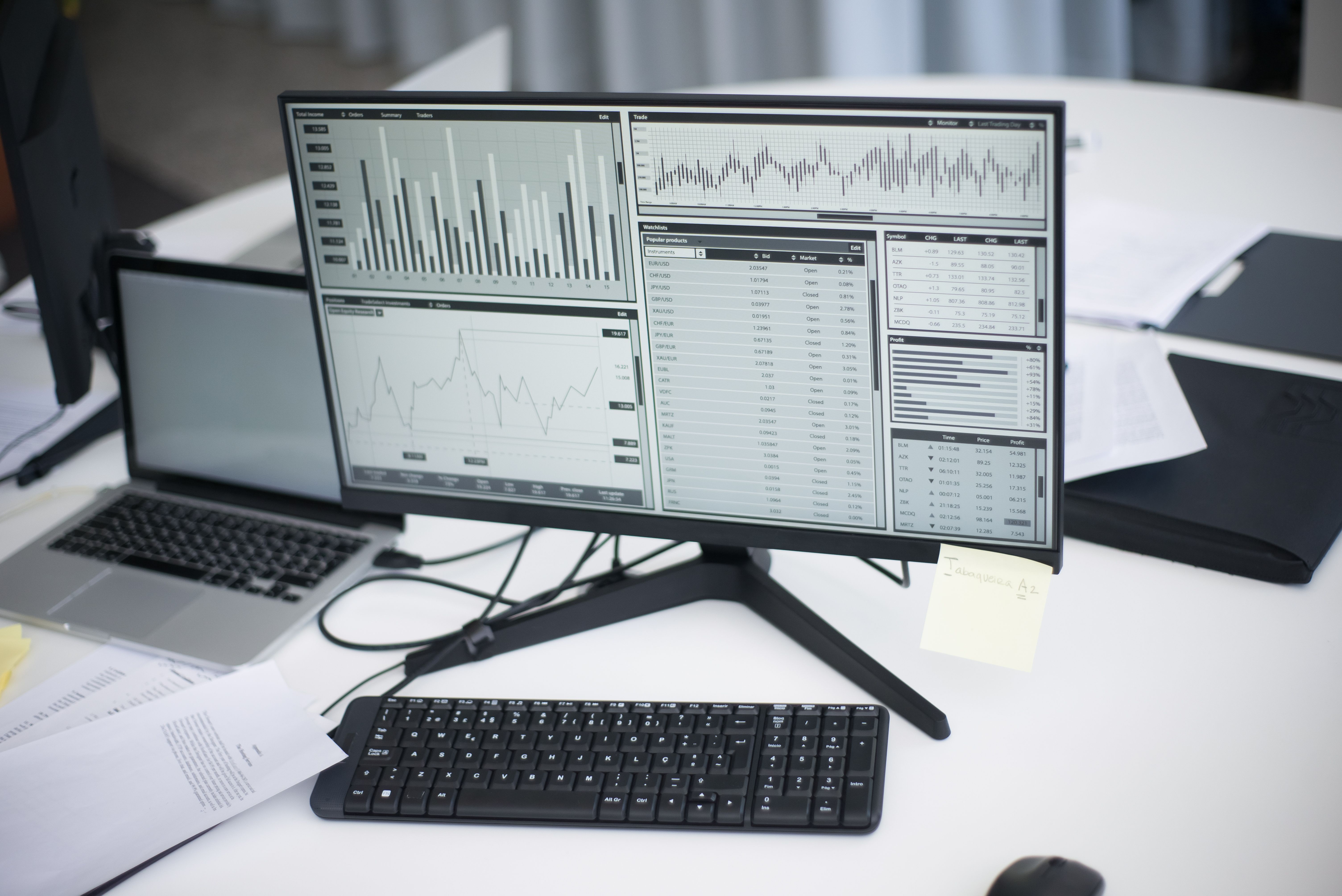
Data Analytics will be one of the key tools in 2026, which has completely changed the way of managing financial information within organisations using analytics in the field of accounting and finance. Taking into account the dependency of companies on analytics, students pursuing CPA course must be aware of how to collect, analyse, and evaluate financial information for forecasting, regulation, risk assessment, and company growth. The involvement of analytics in accounting operations has changed the roles of CPAs from accountants into analysts, thus making this skill set quite beneficial for the future.
Furthermore, there is an increase in the amount of financial information being created through innovative technologies such as AI, cloud accounting, automation, and business intelligence tools. This information requires a proper interpretation. CPA full form – Certified Public Accountant individuals having the ability to analyse data can understand the trend, find out any discrepancies, and provide recommendations based on their audit work. With the rapid change in the accounting field in 2026, knowledge of data analytics helps in staying ahead of others.
Top Reasons Why Data Analytics Matters For CPA Course Professionals In 2026
1. Data-Driven Decision-Making is Becoming Essential
Organisations in today’s world have huge amounts of data on financial transactions and operations generated daily. CPA professionals cannot only concentrate their efforts on bookkeeping, compliance, and auditing. Organisations need people who are able to analyse data, see trends, and give some recommendations. Data analytics allow professionals to turn financial data into valuable information for making decisions in businesses.
In 2026, organisations want professionals in finance who are capable of making assessments about performance indicators and forecasting outcomes while also analysing risks through data analytics. In this way, CPA course professionals, by acquiring data analytics skills, acquire an advantage when dealing with organisational issues that may influence the organisation’s profit and development.
2. Enhances Audit Quality and Efficiency
The traditional method of auditing comprises sampling, but it cannot guarantee the discovery of hidden problems. However, with the help of data analytics, auditors can check all the data sets, find unusual trends and anomalies. It makes the work of an auditor more effective and faster since they do not need to use manual calculations anymore.
In terms of CPA full form – Certified Public Accountants, choosing data analytics will make the process of risk assessment and provision of valid audit results more efficient. As businesses are using online accounting, auditors who can analyse information become increasingly important.
3. Supports Fraud Detection and Risk Management
Financial fraud is evolving as companies adopt technological advancements in business operations! Using data analytics techniques, CPAs are able to track the transactions, determine unusual activities, and recognise possible indications of fraud within an organisation. The use of advanced data analytics may provide useful insights that would have gone unnoticed using conventional reviews.
As we approach the year 2026, stakeholders will be expecting businesses to improve their preventive mechanisms against financial fraud. CPAs with knowledge of data analytics will be able to offer their expertise to help prevent such occurrences.
4. Improves Financial Forecasting and Planning
Accurate forecasting is an important part of planning and success! Data Analysis allows course participants taking the CPA course to analyse past data and forecast it. The outcome is better budgeting and decision-making.
Businesses need forecasts in order to be able to adapt to the changing economic environment and market conditions. Analytics-based forecasting means that the role of the CPA becomes strategic.
5. Aligns with Digital Transformation Initiatives
Organisations within all sectors have been embracing digital transformations through implementing cloud accounting, automation, AI and ERP systems, which create huge amounts of data. Professionals who can analyse and use the data generated need to be equipped in order to do the same effectively.
CPA course professionals who are conversant with data analytics play an important role as they help in the analysis of digital business data. Through their analysis, organisations can make sure that they get full advantage from their technological investment.
6. Prepares CPAs for the Future of Finance
The field of accountancy is undergoing radical change due to the impact of automation and AI, as well as developments in data technology. The accounting work is done using automation, with the emphasis now on interpretation, strategic advice, and analysis. In addition, data analytics forms a core component in this revolution.
As far as the CPA full form – Certified Public Accountant program professionals are concerned, it is now mandatory for these individuals to gain skills in data analytics if they want to have successful careers in the future. This way, they will stay current and offer sound advice as business consultants.
Conclusion
Data analytics forms the core competency in 2026 that will assist in decision making, enhance financial analysis, improve audit techniques and offer better career prospects. Due to the increasing importance of data analytics for organisations, CPA course professionals should have sufficient skills related to data analytics to provide value.
Are you looking forward to securing your future in accounting? Sign up for the CPA program at Zell Education and acquire the necessary knowledge about data analytics in 2026 and further into the future.
FAQs
1. What skills will a CPA need to perform data analytics?
Common software tools that a CPA will utilise for data analytics would include Excel, Tableau, Power BI, Python and SQL.
2. In what ways can data analytics help financial planning and forecasting?
Data analytics can help identify trends and build future financial forecasts.
3. In what ways can data analytics assist with auditing?
Data analytics helps complete an analysis of the dataset and detect anomalies within that dataset.




Leave a Reply