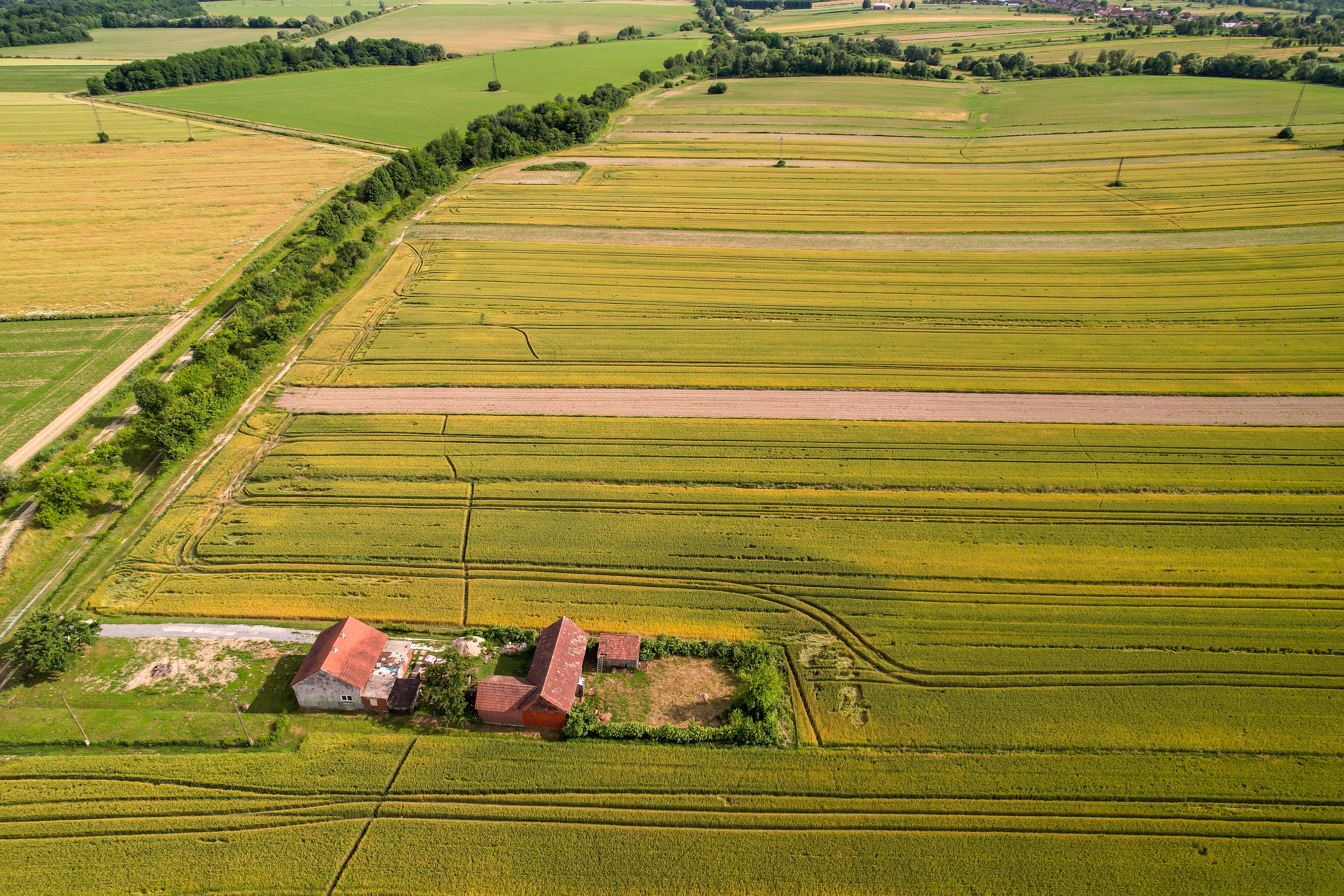
How many acres are you actually mowing this year, and how many the season you took the place over? Most owners in the Chautauqua County snowbelt cannot answer without walking the fence line, because ground never goes all at once. It goes a foot at a time. Multiflora rose in one corner, a hedgerow fattening eighteen inches a summer until the haybine cannot make the turn. The deed still says 40 acres. What sits on the far side of that creeping edge is work for a land clearing company west chester pa landowners lean on once a mower has stopped being the right tool.
The argument here is short. Brush cut at ground level is not removed, it is pruned, and it comes back thicker next summer with the root mass still under it. Clearing that ends with the roots out is the only version that holds.
Brush Reclaims A Fence Line Faster Than Owners Expect
Walk a hedgerow in July and you can read the timeline off it. Oldest stems dead center over the old wire, every ring outward younger rose, dogwood and box elder. What foresters call succession, which just means a field turns into woods when nothing stops it, does not need a decade to cost you money. It needs about three busy summers. The case we see most often is a farmer who skipped the edges during a wet first cutting, skipped them again when the tractor could not swing wide there, and by year three needed equipment he does not own. Two feet a year is a quarter acre gone across a half mile of fence, and usually your best drained ground.
Farmland Keeps Slipping Out Of Production
This is not only happening on your fence. In a February 2026 report, the Office of the New York State Comptroller found the state had lost 500 farms and 100,000 acres of farmland between 2024 and 2025, a 1.5% farmland decline running five times the national rate, with farm numbers off 1.6% against 0.8% nationally. Some of that got sold and built on. Some is what you see from the tractor seat, still fenced and unworked.

The longer arc sits in the chart. Statewide land in farms, counted by the USDA NASS Census of Agriculture, fell from 7,788,241 acres in the 1997 census to 6,502,286 acres in the 2022 census. Those are state totals, not one operation’s edges, and no census tracks how much of it went to hedgerow rather than houses. Nobody counts that.
Mowing It Yourself Only Buys One Season
Pasture goes the same road, quicker. NPR reported that the number of U.S. cattle operations fell from 882,692 in 2017 to 732,123 five years later, a drop of roughly 17%. Ground that once got eaten to the dirt every August gets nothing now.
A brush hog takes the top off and leaves the crown. Multiflora rose answers a cutting by sending up more stems than it lost. In practice this typically means one hard pass in the two-week window between cuttings buys you until the following June (it did feel productive at the time). Past wrist thick, it stops being mower work. Felling, heavy equipment and stump and root removal belong to a professional crew with the insurance and the machines, not to an owner with an older tractor and a free Saturday. If roots are coming out, that is digging, so call 811 first.
The Same Three Questions Come Up Every Time
Every walkover on a small hay place ends with the same short list. The owner knows the edges are gone. What they want is a number and a reason to believe it holds.
How many acres do I actually get back?
More than the map suggests. On a 40-acre place with a mile and a half of fence, the reclaimed strip often runs two to four acres once a crew works back to the wire. That is a cutting and a half of hay you already pay taxes on.
Will it just grow back next summer?
Not if the root mass leaves with the tops. Rose, honeysuckle and sucker-prone hardwoods regrow from whatever stays in the ground, so a one-time job means the crowns get pulled and the ground graded. Mow-only work resets the clock for a season.
When should the work happen?
Phase it around your season. Most snowbelt operations take the heavy removal after second cutting or on frozen ground, when the equipment does the least damage. Grading and cleanup follow in spring.
Clearing Done Right Once Beats Clearing Every Year
The acres are not lost, only unreachable, and that is fixable. Take the fence line back once, root mass out, and the upkeep drops to what a mower can handle. Doing it in phases around the cuttings, with a land clearing company west chester pa crews and farm owners use for the heavy end, keeps it off your equipment. Then walk it next July and count what the mower touches. The number should be bigger.




Leave a Reply