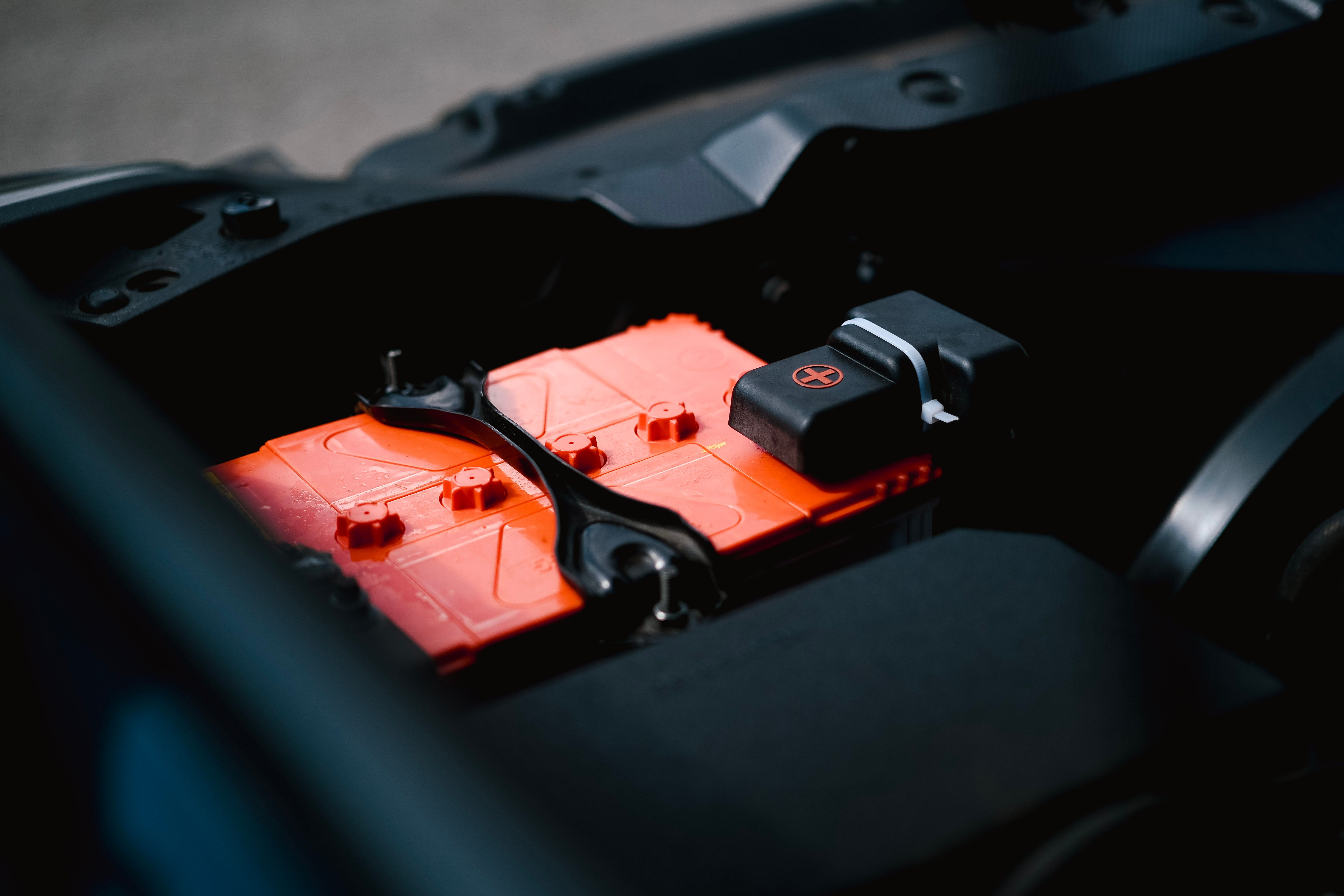
A 4S LiPo doesn’t suddenly fail one day. We found out that most battery problems start weeks earlier, and we usually miss every warning sign. We kept blaming the battery. the battery wasn’t the problem. We’ve all done it.
A drone starts feeling sluggish. The RC car doesn’t punch out of corners like it used to. Flight time drops by a minute or two. First reaction? “Guess this battery’s dead.” So we buy another one. Then another.
Looking back, we probably threw away perfectly usable packs because we never stopped to check what was actually happening. It was easier to blame the battery than admit our charging habits were a mess.
Funny thing is, once we started paying attention, the pattern was obvious. Almost every 4S LiPo that gave us trouble had been treated the same way. Left fully charged after weekend flying. Plugged into the charger while still warm. Forgotten in the workshop during summer. Little stuff. But little stuff adds up.
Our Charging Routine Changed Everything
This wasn’t some fancy experiment. It was just us getting tired of spending money. Instead of charging whenever we remembered, we slowed down. Batteries cooled before charging. Storage voltage became part of the routine instead of something we’d skip because we were in a hurry. Boring? Yeah. Worth it? Absolutely.
Industry figures back that up too. Around 69% of FPV pilots and RC hobbyists say proper storage voltage and regular balancing help a 4S LiPo last around 20 to 30 percent longer. That number didn’t surprise us because we’d already watched the difference ourselves.
The batteries we looked after simply stayed healthier. The neglected ones slowly drifted downhill until they were impossible to trust.
Guessing Is Expensive
Here’s the trap. Most of us judge a battery by how it looks. No swelling? Must be fine. Wrong. Some of our worst-performing packs looked completely normal from the outside. The real problems were hiding inside weak cells and rising internal resistance that we couldn’t see without checking.
Once we started measuring actual battery health, everything changed. Voltage. Cell balance. Resistance. Charge cycles.
Now we knew which 4S LiPo packs were ready for another session and which ones were quietly wearing out. That removed a lot of surprises from our flying days. Simple numbers. Big difference.
Commercial Operators Don’t Leave It to Luck
We noticed something interesting after chatting with people running commercial drone fleets. Their batteries weren’t magically lasting longer because they bought expensive gear. Their routine was different.
Around 78% of commercial drone maintenance programs now include battery health testing before important flights. Capacity gets checked. Cell voltage gets compared. Internal resistance gets tracked over time. Sounds like extra work. Maybe.
But imagine sending a drone over a construction site or power line inspection with a battery that’s slowly failing. Nobody wants that headache.
That’s why every 4S LiPo in those fleets gets treated like a piece of equipment instead of a disposable accessory. Makes sense.
One Weak Cell Can Fool Us
This caught us off guard. One battery kept finishing flights earlier than the others. Nothing dramatic. Just enough to be annoying. We almost threw it away. Instead, we checked each individual cell. There it was.
One weak cell drifting further away every charging cycle while the other three looked healthy. Without testing, we’d never have spotted it.
That’s why apps like ISDT BattAir became part of our routine. Seeing live voltage, temperature, internal resistance and charging history gave us real information instead of assumptions. No guessing. Just facts. Every 4S LiPo started telling its own story once we actually listened.
Cycle Life Isn’t Just Marketing
People love talking about battery cycles. Four hundred. Five hundred. Six hundred. Those numbers sound nice on the product box, but they don’t magically happen.
A properly maintained 4S LiPo can often keep over 80% of its original capacity after around 400 to 500 charging cycles, but only if we stop making the same avoidable mistakes over and over.
Heat matters. Storage matters. Balanced charging matters. Ignore those habits and those advertised cycle numbers disappear pretty quickly. We’ve proved that ourselves. Unfortunately.
Shipping Rules Aren’t Random Paperwork
Most hobby pilots don’t think much about transport regulations until they order replacement batteries. Then they wonder why shipping takes longer or costs more. The answer usually comes back to UN38.
Every 4S LiPo intended for commercial transport has to meet this internationally recognised testing standard before travelling by air, road or sea. That’s not bureaucracy for the sake of it.
Lithium batteries can become dangerous if damaged or manufactured poorly. These transport rules reduce those risks long before a package reaches someone’s doorstep. Not exciting. Still matters.
What We Actually Compare Before Every Flying Session
After enough expensive mistakes, we stopped rushing. Now our batteries get the same quick inspection every single time. Not because someone told us to.
Because replacing batteries every few months became annoying.
| Factor | Basic 4S LiPo Care | Professional 4S LiPo Maintenance |
| Cell balancing | Checked every now and then | Balanced and verified during every service |
| Battery health | Quick visual inspection | Capacity, voltage, internal resistance and cell consistency testing |
| Expected service life | Average battery lifespan | Longer life through scheduled maintenance |
| Safety | Hidden weak cells can go unnoticed | Swelling, voltage drift and worn cells found early |
| Best for | Casual RC users and beginners | FPV racers, commercial drone operators and industrial UAV fleets |
We Finally Stopped Shopping for Solutions
Here’s the funny part. We spent years comparing battery brands. Reading reviews. Watching YouTube comparisons. Scrolling through endless forum debates. Meanwhile, the answer was sitting right on our charging bench.
Treat every 4S LiPo properly. Balance it. Store it correctly. Let it cool before charging. Check battery health instead of hoping everything is fine. That’s it.
Today our oldest 4S LiPo from RC Battery packs still gets regular use because we stopped chasing new products and started paying attention to simple habits. Nothing revolutionary. No secret formula. Just a routine that takes a few extra minutes and saves us from replacing batteries long before their time.
Turns out the battery wasn’t letting us down after all. We were letting it down.




Leave a Reply