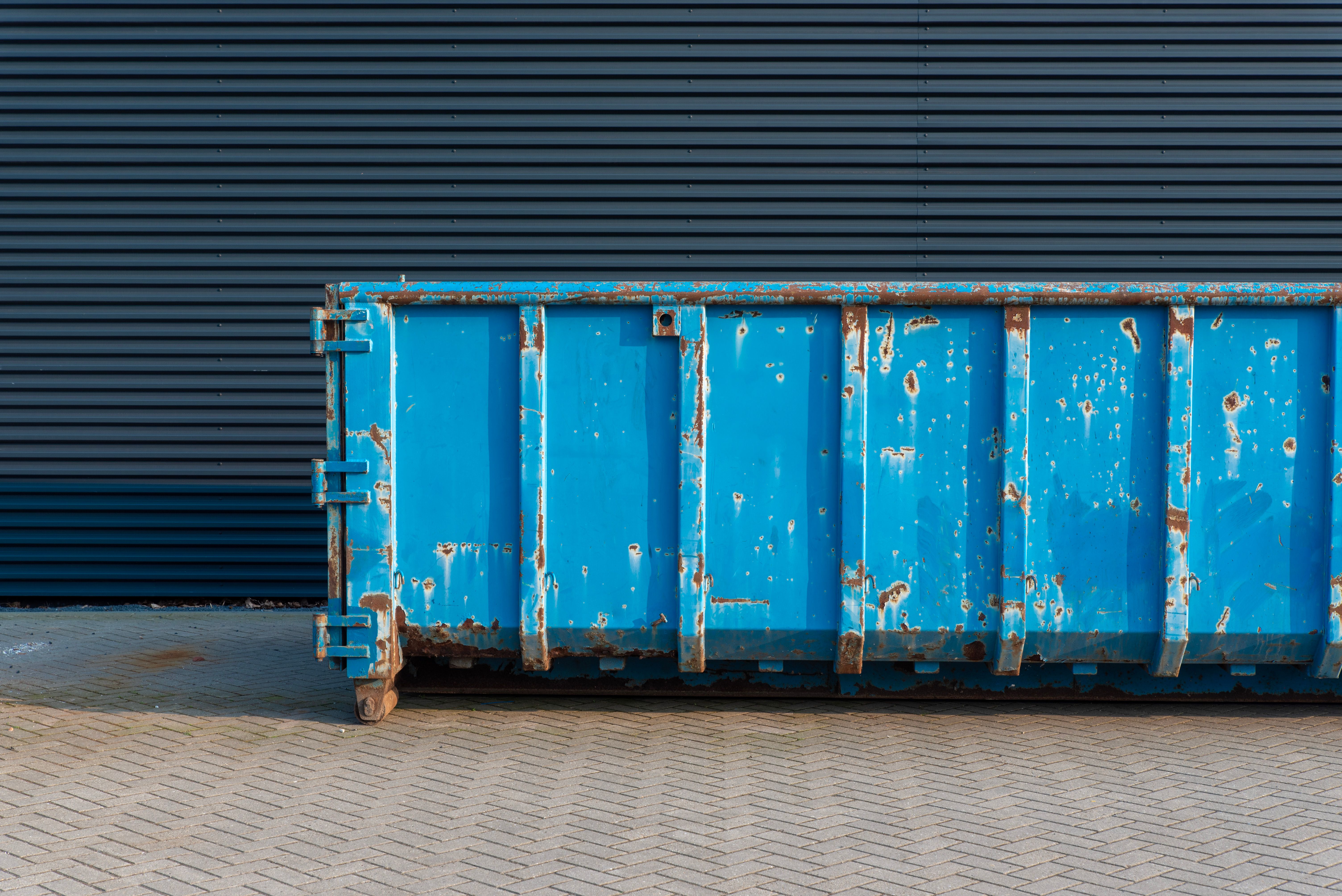
Renting a dumpster sounds simple. A big container arrives, you fill it with unwanted material, and someone hauls it away.
But if you have never rented one before, there are a few things worth knowing.
The wrong dumpster size can leave you short on space. Heavy debris can push you over the included weight allowance. Certain materials may not be accepted at all. Even the location where you place the dumpster can affect how smoothly the project goes.
That is why a little expert advice before ordering can save time, money, and frustration.
With more than 15 years of experience in the roll-off industry, TrashDaddyDumpsters.com focuses on making dumpster rental easier for homeowners, contractors, and businesses.
Start With the Project, Not the Dumpster
One of the first questions customers ask is, “What size dumpster do I need?”
A better starting point is to think about what you are actually throwing away.
Cleaning out an attic is very different from tearing out a kitchen. Roofing shingles are different from old furniture. Concrete is much heavier than household junk.
Before renting, make a quick list of the materials you expect to remove.
Think about both volume and weight.
A pile of broken furniture may take up lots of room without being extremely heavy. Concrete, dirt, brick, and roofing materials can become very heavy even when the dumpster does not look full.
Knowing what you are throwing away makes choosing the right container much easier.
Dumpster Size Matters More Than You Think
Going with the smallest dumpster to save money may seem like a smart move.
It can sometimes have the opposite result.
If your dumpster fills before the project is finished, you may need another container or an additional haul. That can turn a small saving into a larger expense.
Trash Daddy Dumpsters offers roll-off containers ranging from 10 to 40 cubic yards in many service areas, although available sizes can vary by location.
A 10- or 12-yard container can work well for smaller cleanouts and projects. A 20-yard dumpster is a popular option for renovations, roofing work, garage cleanouts, and similar jobs. Larger 30- and 40-yard containers are better suited to major renovations, construction, demolition, and large cleanouts.
If you are caught between two sizes, talk to someone who understands dumpster capacity before ordering.
Know How the Price Actually Works
Dumpster pricing can be confusing because companies do not always quote rentals the same way.
A cheap-looking starting price may not include everything.
Customers should ask what the quoted price covers. Does it include delivery? Pickup? Disposal? Fuel? Rental days? How much weight is included?
Trash Daddy uses a flat-rate pricing model designed to make these costs easier to understand. Its standard pricing includes delivery, pickup, disposal up to the included weight allowance, and a rental period.
Most rentals include up to 14 days, although terms can differ by service area.
The important lesson is simple: compare the total rental cost, not just the advertised starting price.
Weight Can Change Your Final Bill
This is one of the most important things first-time renters overlook.
Dumpsters have an included weight allowance.
For example, Trash Daddy’s standard allowances range from about 1 ton for smaller containers to 4 tons for a 40-yard dumpster. Exact limits can vary by location and rental type.
Why does weight matter?
Landfills generally charge for disposal based on weight. If your load exceeds the allowance included in your rental, an additional charge may apply.
Heavy materials deserve special attention. Concrete, dirt, brick, shingles, and similar debris can add weight surprisingly fast.
Tell the rental company what you plan to throw away before ordering. That gives the team a chance to recommend the right setup.
Not Everything Belongs in a Dumpster
A roll-off dumpster can handle many common types of debris, but it is not a place for absolutely everything.
Common household junk, furniture, wood, drywall, flooring, yard debris, and many construction materials may be accepted.
Other materials can be restricted.
Examples may include wet paint, chemicals, batteries, tires, propane tanks, fuel, asbestos, certain electronics, and appliances containing refrigerant.
Rules can also differ between locations because disposal facilities must follow local and environmental requirements.
When in doubt, ask first.
A two-minute question can prevent extra charges, rejected loads, or safety problems later.
Plan Where the Dumpster Will Go
Do not wait until the delivery truck arrives to decide where the dumpster should sit.
Choose a flat, accessible location with enough room for both the container and delivery truck.
Driveways are common choices for residential projects. Construction sites may offer more options, but access still matters.
Move cars, trailers, equipment, and other obstacles before delivery.
Also look above the planned location. Low tree branches, wires, or other overhead obstacles may create problems for a roll-off truck.
With Trash Daddy, customers generally do not need to be present for delivery when the drop-off area is clear and accurate placement instructions have been provided.
Never Fill Above the Top
A dumpster may look like it can hold “just one more thing,” but there is an important limit.
Debris should not stick above the top edge.
An overloaded dumpster can be unsafe to transport. Trash Daddy warns that a driver may be unable to haul a container when material extends above the rim, which can cause delays and additional costs.
Load bulky items carefully and use the available space wisely.
If the dumpster is getting full sooner than expected, contact the rental company instead of building a mountain on top.
Think About Your Schedule Before Delivery
Timing can make a big difference.
Having the dumpster delivered too early may waste rental days. Getting it too late could leave workers waiting around with nowhere to put debris.
Try to schedule delivery shortly before the cleanup, renovation, roofing job, or demolition begins.
Also think about how quickly the project will move.
If you finish early, you may be able to arrange an earlier pickup. Contractors with ongoing projects may need swaps or additional containers as work continues.
Planning ahead keeps debris from becoming an obstacle.
Expert Help Can Be Worth More Than a Cheap Quote
Dumpster rental is not only about finding a container.
It is about getting the right container, at the right location, with terms you understand.
That is where experience matters.
Trash Daddy combines online ordering with access to real customer support. Customers can check pricing using their ZIP code, review local options, and arrange a rental online. Those who need guidance can also speak with people who understand roll-off dumpsters and waste removal.
For first-time renters, that support can prevent expensive mistakes.
The Bottom Line
Before renting a dumpster, remember five things: know what you are throwing away, choose a sufficient capacity, understand the weight allowance, check for prohibited materials, and prepare the delivery area.
Most dumpster rental problems are easier to prevent than fix.
A little planning can turn waste removal into one of the simplest parts of your project.
Whether you are cleaning out a home, replacing a roof, remodeling a property, or managing a construction site, Trash Daddy Dumpsters aims to take the guesswork out of the process with clear pricing, multiple dumpster sizes, online ordering, and experienced support.
Because when you have a mountain of debris to deal with, the last thing you need is another mess.




Leave a Reply