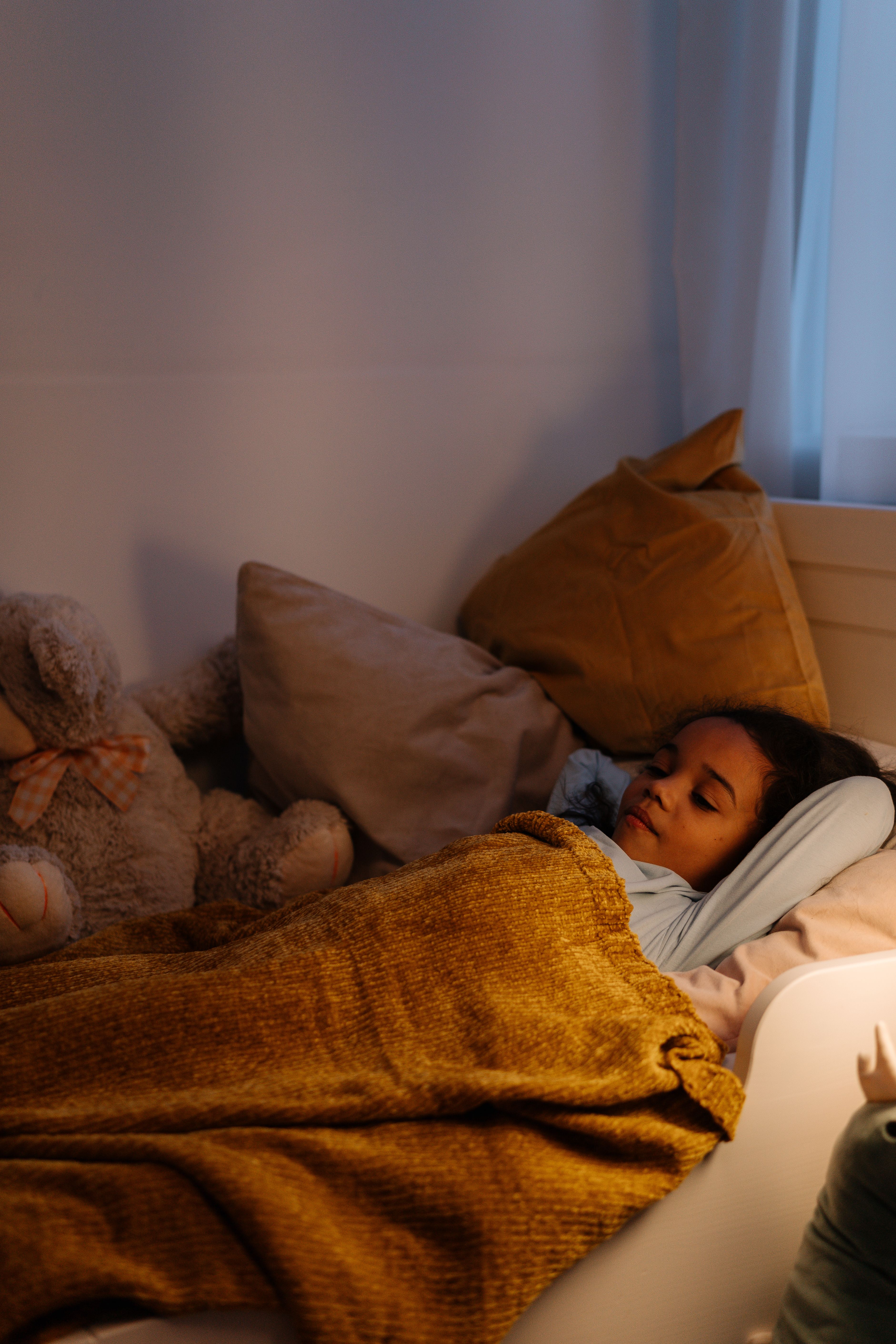
Children’s sleep depends on more than a set bedtime and a familiar story before lights out. Temperature, light, noise and bed size all shape how well a child settles and how rested they feel by morning. A setup that worked for a toddler often stops working a couple of years later, because a child’s body and habits move on even when the room doesn’t. A consistent bedtime routine helps, but only so much if the room works against it.
Spotting when a sleep environment needs an update isn’t always obvious, since the changes happen gradually. A child might seem more restless, wake earlier, or take longer to settle, without any single clear cause. Looking at the room, rather than only at behaviour, often reveals what needs to change.
1. The Bed or Mattress Has Been Outgrown
Growth spurts are easy to miss, but a bed with plenty of spare room can feel cramped within months. Children who curl up diagonally, whose feet reach the mattress end, or who wake with stiff shoulders are usually telling you something about the bed, not their sleep habits. Parents unsure whether it calls for a new bed or a new mattress can get proper sizing advice from bed stores in Wolverhampton rather than guessing.
2. The Room Runs Too Hot or Too Cold
A bedroom that felt right in spring can turn stuffy by midsummer or draughty once the heating goes off, and children feel these swings more than adults assume. Restlessness and repeated waking are common signs the temperature has drifted too far either way. Thick curtains, a small fan, or one adjusted radiator valve usually helps.
3. Light Is Getting In at the Wrong Times
Long summer evenings and early sunrises can undo a solid bedtime routine, since a child’s body reads a room that isn’t dark enough as a sign it’s time to be awake. Streetlights, hallway light under the door, or a widening curtain gap can all have the same effect. Blackout blinds or a heavier lining are usually enough to fix a room that’s become too bright at the wrong moments.
4. Noise Levels Have Changed Around the Room
Houses that were quiet a year ago don’t always stay that way, whether that’s a sibling now sharing the landing, a busier road outside, or a boiler humming through the wall. Children waking at the same point every night are often reacting to one repeated sound, not sleeping badly overall. A rug or repositioning the bed away from a shared wall can absorb a surprising amount of noise.
5. Screens and Clutter Have Crept Into the Space
A tablet charging on the bedside table rarely looks like a problem until bedtime keeps slipping later. A charging light or buzzing notification can interrupt sleep even when nobody picks the device up. Children who use screens in a dark room before bed tend to sleep less well than those doing the same with a light on. Moving chargers and clutter out overnight is often the simplest change with the biggest effect.
A sleep environment rarely fails all at once, which is why these signs are easy to miss until a child has slept badly for weeks on end. Working through the room itself, one factor at a time, usually points straight to the change that helps most.




Leave a Reply