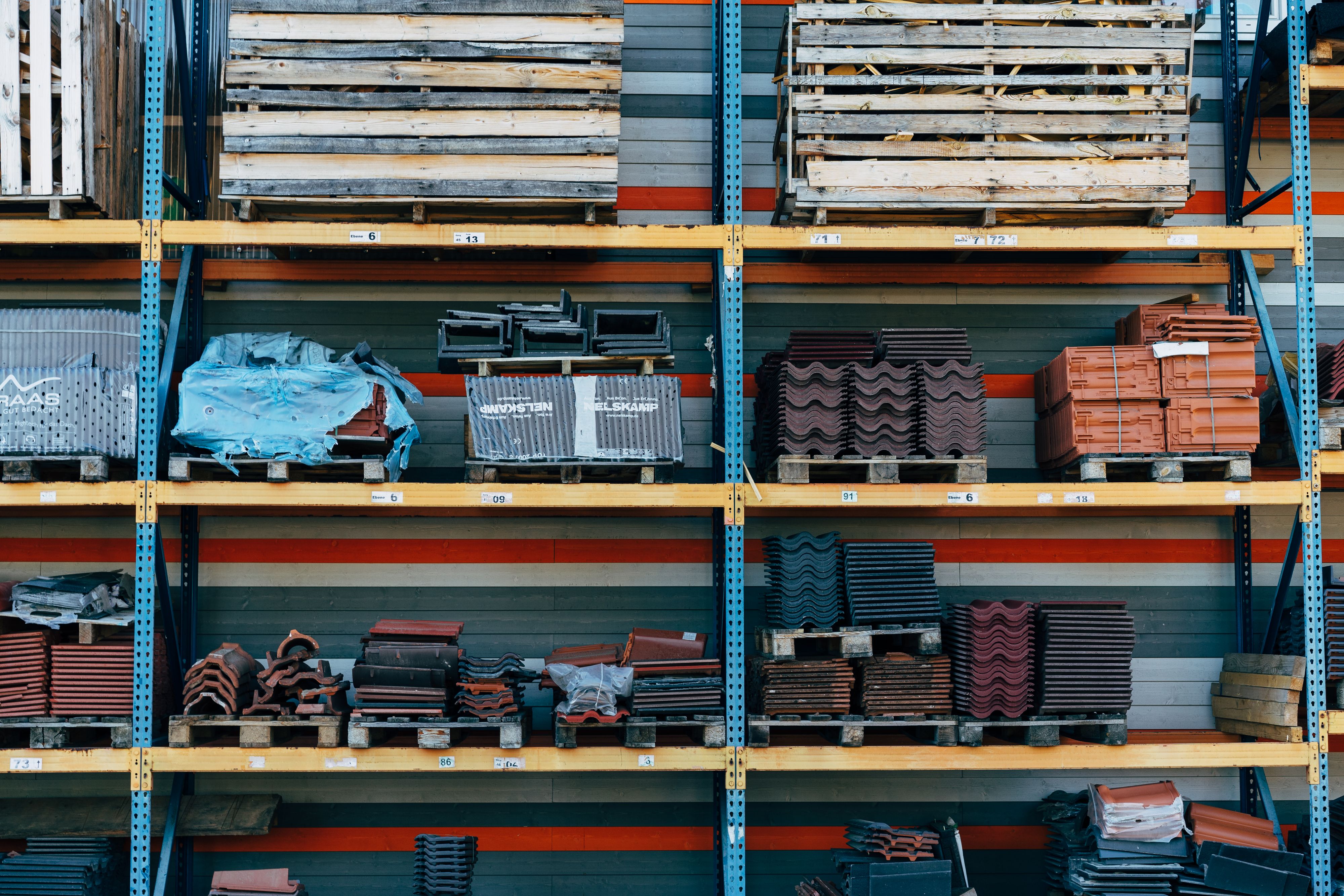
Warehouse racking can sit in place for years, then the business changes. A storage area needs clearing. A layout’s getting redone. Old pallet racking just isn’t needed anymore.
Sounds like a simple job, undo a few bolts, carry the pieces out. It isn’t. The area needs prepping first, and the removal has to happen in the right order.
Looking at warehouse racking removal solutions? A bit of planning before the work starts makes the whole thing easier.
Start by looking at the area
Before anything gets dismantled, look at what’s around the racking.
Forklifts might normally move through there. Staff could be working nearby. Stock sitting on neighbouring racks. Lights, doors, machinery, other gear close to the work zone.
That gives you a decent idea of what needs sorting before removal even starts.
Check the racking itself too. Different systems have different parts, different connections. Knowing what you’re actually dealing with means planning the job properly instead of hitting surprises halfway through.
Clear the racking first
Obvious, sure, but it matters.
All stock comes off before dismantling starts. Boxes, pallets, loose items left sitting on the racks just get in the way and slow everyone down.
Empty shelves mean the team can see the full structure. Easier to spot damaged sections too, or parts that’ll need extra care coming down.
Once it’s cleared, keep it that way while the work’s happening.
Make a simple removal plan
Doesn’t need to be complicated. Just a clear idea of what’s coming out and where it’s going once it’s out.
Worth deciding:
- Which sections are actually being removed
- Where stock gets moved before work starts
- Where the dismantled parts get placed
- How the work area stays clear
- How the rest of the warehouse keeps running
- What happens to the old racking afterwards
Stops a pretty common problem, racking gets dismantled and there’s nowhere to put it. Also keeps the job contained instead of spreading into areas people still need.
What about forklifts and other equipment?
Forklifts and removal work in the same space? Not a great mix.
Where you can, separate the work area from normal warehouse traffic. Staff who don’t need to be there should stay clear while sections are coming down and getting moved.
Matters even more in bigger warehouses where other aisles are still running.
Good planning means the removal team knows their zone, and everyone else knows what’s off-limits for a while.
Don’t forget the floor
Once the racking’s out, the floor tells you a few things about what used to sit there.
Anchor points, marks, other leftovers. Depending on what’s going in next, some of that might need sorting before new equipment or storage goes in.
An empty area’s also your chance to actually look at the floor properly. A spot that’s been hidden behind racking for years might need attention before it gets used again.
For warehouse racking removal solutions, that final stage’s worth building into the plan. Pulling the structure out is only half of getting the space ready.
Where does the old racking actually go?
Needs a plan for the material coming out.
Some businesses want to keep whatever’s still useful. Others want the old stuff gone completely. Racking that’s damaged or not worth keeping, and dismantled sections left sitting around, just creates another storage headache.
Tyquin Industrial provides pallet racking removal as part of its industrial services, focused on clearing out existing racking so warehouse space can be changed around.
Right call depends on the racking’s condition and what the business wants to do with the space next.
A quick checklist before removal
Before work starts, make sure you know:
- What racking’s coming out
- Whether every shelf and pallet’s cleared
- Where removed sections are going
- Which areas need to stay open
- How normal traffic gets managed
- What needs doing to the floor afterwards
- Whether the old racking’s getting stored, reused, or removed
Sort these early and you avoid delays once dismantling actually starts.
Questions warehouse managers often ask
Can warehouse staff remove pallet racking themselves?
Depends on the racking, the site, the people doing it. Sections can be heavy and awkward, so a specialist team’s often the safer call if your crew doesn’t have the right experience or gear.
Does the warehouse need to stop operating during removal?
Not always. Some areas can keep running if the removal zone’s properly separated from normal work. Comes down to the layout and how big the job is.
What happens to the racking after it’s removed?
Could get stored, reused, or taken away, depending on condition and what the owner wants. Best to decide this before dismantling starts so there’s somewhere clear for it to go.
Removing warehouse racking goes a lot smoother when it’s planned before the first section comes down. Clear the stock, know the space, keep people clear of the work zone, and settle what happens to the removed parts.
Once the old racking’s gone, you’ve got a clean space to work with. That’s probably the real point of doing it in the first place.




Leave a Reply