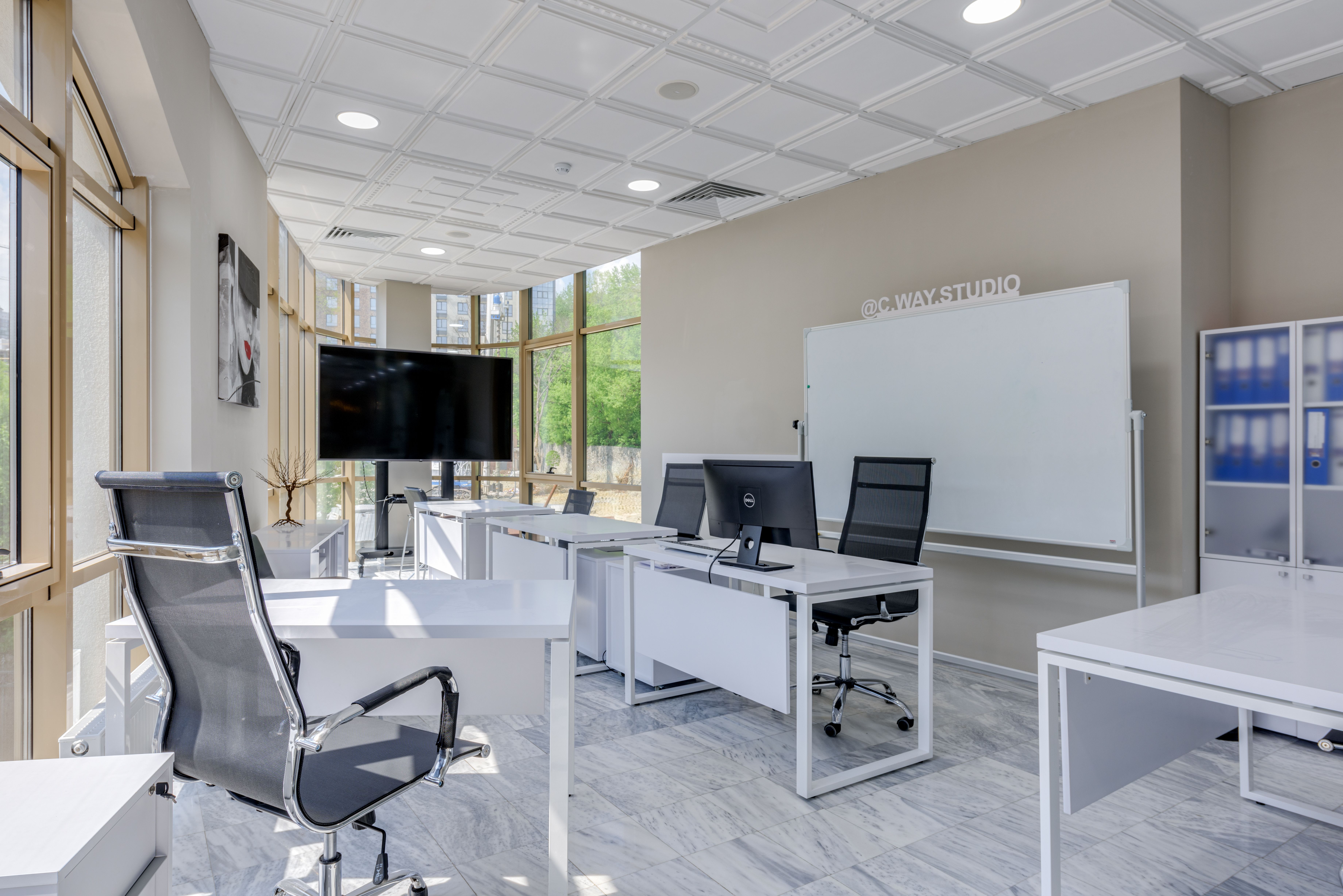
Designing an effective IT office requires more than simply providing desks and computers. Modern technology teams need environments that support collaboration, focused work, innovation, and secure handling of sensitive information. Factors such as network infrastructure, workspace flexibility, acoustics, lighting, and employee well-being all play a role in productivity and job satisfaction.
As hybrid and agile working models continue to evolve, IT businesses are increasingly investing in office designs that accommodate different working styles while supporting growth. A well-planned IT office can improve efficiency, strengthen company culture, and create a more attractive workplace for current and future employees.
Build a Reliable Technology Infrastructure
Every other design decision in an IT office rests on its technical foundation. Teams depend on high-performance networks, secure connectivity, reliable power distribution, and well-equipped meeting-room technology to function day to day.
Robust network architecture underpins everything from daily collaboration to long-term scalability. Planning these requirements at the outset, rather than retrofitting them later, makes it far easier to support both current operations and future headcount growth.
Create Spaces for Both Collaboration and Concentration
Technology work rarely fits into a single mode. Teams move between brainstorming sessions, code reviews, client calls, and heads-down problem-solving, often within the same day. Effective offices offer a genuine mix of settings, open collaboration areas for teamwork, dedicated meeting rooms, and quiet zones for focused work – allowing employees to opt for the environment best suited to the task at hand.
Office balance matters specifically for IT teams: collaborative energy fuels innovation, while uninterrupted focus time is essential for the kind of technical work that doesn’t tolerate constant interruption.
Prioritize Employee Comfort and Well-Being
IT staff frequently spend long stretches at a desk, which makes physical comfort as much a productivity issue as a wellness one. Ergonomic workstations, access to natural light, good ventilation, and thoughtful wellness features all contribute to a healthier, more satisfied workforce.
The CDC’s guidance on office environments highlights the role of workplace design in supporting employee health and reducing strain over time. Investing in comfort directly affects how well people can sustain focus and output.
Design with Security and Acoustics in Mind
IT businesses routinely handle confidential client data, proprietary code, and other sensitive information, which makes physical security as important as digital security. Secure meeting rooms and controlled-access areas help protect that information, while sound management plays an equally important role in maintaining both privacy and focus.
Your office space can’t go wrong with acoustic drywall board designed for sound insulation. It can help create quieter, more private spaces for sensitive conversations while reducing ambient noise that disrupts concentration elsewhere in the office.




Leave a Reply