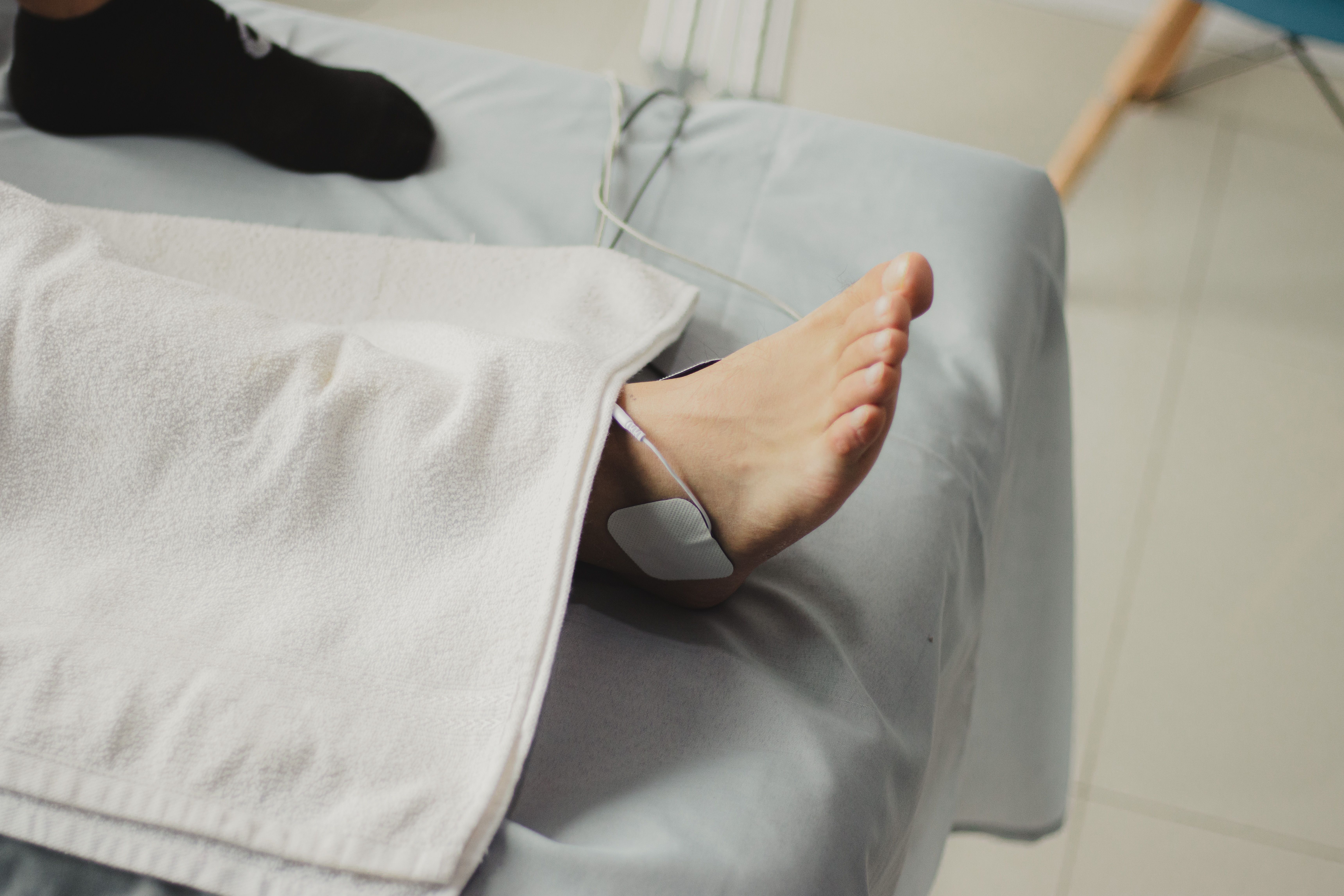
Maintaining overall wellness becomes a primary focus as the years pass, yet foot health is frequently overlooked in broader healthcare conversations. Your feet serve as the physical foundation for your entire body, bearing your weight, absorbing impact, and providing the balance required for daily mobility. Decades of wear, combined with natural changes in skin elasticity, circulation, and joint flexibility, can lead to chronic foot discomfort that severely restricts independent living. Prioritizing proactive foot care ensures you maintain personal mobility, balance, and vitality throughout your golden years.
Preserve Balance and Prevent Dangerous Fall Risks
Maintaining reliable physical balance is essential for healthy aging, as accidental falls represent a leading cause of severe injury, loss of independence, and long-term disability among older adults. Your feet contain thousands of sensory nerve endings that communicate continuously with your brain, providing real-time feedback regarding surface terrain, balance shifts, and spatial positioning.
As foot joints stiffen, arches flatten, and protective fatty cushioning beneath the heels and ball of the foot thins naturally over time, sensory feedback becomes compromised. Common foot conditions—such as bunions, hammertoes, plantar fasciitis, or nerve numbness—alter your natural gait mechanics, forcing you to compensate with awkward steps that disrupt physical stability. Chronic foot pain causes individuals to shorten their stride or shuffle, dramatically increasing the likelihood of tripping over minor floor obstacles.
Addressing foot pain promptly and wearing supportive, properly fitted footwear restores correct postural alignment and enhances stability. Incorporating targeted foot and ankle strengthening exercises into your daily routine maintains flexible joint movement, ensuring your feet continue providing a stable, reliable foundation that guards against dangerous falls.
Maintain Personal Mobility and Physical Independence
Physical mobility is directly linked to quality of life, allowing older adults to perform daily household tasks, run errands, engage in social activities, and enjoy recreational hobbies. When walking becomes painful due to untreated foot issues, individuals naturally reduce their daily physical activity, initiating a dangerous cycle of functional decline.
Reduced mobility leads to muscle weakness, joint stiffness, weight gain, and cardiovascular deconditioning, which further exacerbates foot pain and accelerates systemic health issues. Chronic foot discomfort often forces seniors to rely on family members or caregivers for routine daily tasks, undermining personal autonomy and emotional well-being. Keeping your feet comfortable and healthy removes physical barriers to active living, allowing you to move freely without constant pain.
Investing in preventive foot care—such as using custom orthotic inserts, wearing wide protective shoes, and practicing gentle daily foot hygiene—preserves your ability to walk comfortably. Maintaining active foot health empowers you to retain control over your daily schedule, supporting a vibrant, independent lifestyle throughout your retirement years.
Choosing Footwear for Stability and Cushioning
Selecting supportive shoes with non-skid soles, wide toe boxes, and cushioned midsoles protects aging feet against hard ground impacts.
Avoiding high heels, narrow slip-ons, or flimsy slippers prevents painful toe deformities and reduces accidental fall risks. Proper footwear provides the structural support needed for safe daily walking.
Utilizing Custom Orthotics for Structural Alignment
Custom prescription orthotics redistribute foot pressure evenly across your arches, offloading stressed joints and cushioning thinned heel pads.
Aligning foot structures stabilizes ankle joints and reduces strain on knees, hips, and the lower back. Orthotics restore natural, pain-free walking mechanics.
Support Systemic Health and Manage Chronic Conditions
Foot health acts as a sensitive mirror reflecting your broader systemic health, often displaying the earliest warning signs of chronic medical conditions common in older age. Systemic issues such as diabetes, peripheral artery disease, osteoarthritis, and kidney conditions frequently manifest initial symptoms in the lower extremities.
For instance, poor peripheral circulation reduces blood flow to the feet, slowing wound healing and causing cold, pale, or painful legs. Diabetic neuropathy damages sensory nerves, causing numbness or tingling that prevents individuals from feeling minor cuts, blisters, or pressure sores. Left untreated, minor foot wounds can rapidly escalate into severe bacterial infections or non-healing ulcers.
Partnering with a specialized foot doctor in Orem for routine preventive care ensures that subtle circulatory or nerve changes are identified and managed early. Regular professional foot examinations, skin checks, and nail care protect against undetected injuries, preserving lower extremity tissue health and supporting comprehensive systemic medical management.
Recognizing Early Diabetic Foot Complications
Diabetic neuropathy reduces feeling in the feet, making daily visual inspections essential for detecting unnoticed blisters, cuts, or redness.
Identifying minor skin breaks early prevents severe deep-tissue infections and costly medical complications. Proactive skin checks safeguard diabetic foot health.
Managing Joint Discomfort from Osteoarthritis
Osteoarthritis wears down cartilage within small foot and ankle joints, causing morning stiffness, localized swelling, and deep aching pain.
Gentle range-of-motion stretches and supportive joint braces ease arthritic stiffness, preserving flexible foot movement. Managing joint health keeps aging feet mobile.
Prevent Common Age-Related Foot Deformities
Decades of wearing restrictive shoes, combined with natural ligament laxity and shifting bone alignments, contribute to the development of painful structural foot deformities among seniors. Conditions like bunions, hammertoes, claw toes, and painful bone spurs alter the physical shape of the foot, making finding comfortable shoes increasingly difficult.
Bunions occur when the joint at the base of the big toe shifts outward, creating a bony bump that rubs against shoe uppers, causing chronic inflammation and skin breakdown. Hammertoes involve abnormal bends in the middle joints of the lesser toes, leading to painful friction corns and calluses where toes rub against footwear. Left unmanaged, these deformities become rigid and increasingly painful, severely restricting walking endurance.
Preventing and managing deformities early involves wearing wide footwear that accommodates your natural toe splay without pinching. Utilizing protective silicone toe separators, padding friction points, and wearing custom orthotics slows deformity progression, preserving comfortable foot shape and preventing painful skin breakdowns.
Relieving Pressure Points with Protective Padding
Placing soft gel pads over bony prominences prevents shoe friction, reducing painful corn and callus formation along deformed toes.
Padding protects delicate skin surfaces against blistering and ulceration. Simple protective cushions enhance daily footwear comfort significantly.
Accommodating Natural Foot Shape with Wide Shoes
Wearing shoes crafted from flexible, breathable materials with extra depth accommodates rigid toe deformities comfortably without squeezing.
Eliminating lateral shoe pressure prevents bunion inflammation and joint pain. Roomy footwear supports healthy, unencumbered foot alignment.
Promote Healthy Skin and Toenail Function
As skin ages, it produces fewer natural oils, becoming thinner, drier, and more prone to cracking, flaking, and painful heel fissures. Deep skin cracks on the heels create open pathways for environmental bacteria, increasing the risk for localized cellulitis and skin infections.
Additionally, toenails undergo structural changes over time, often becoming thick, brittle, discolored, or curved due to reduced circulation, micro-trauma, or fungal nail infections. Thickened toenails are difficult to trim safely with standard clippers, leading to painful ingrown toenails or accidental skin cuts that heal poorly in older adults.
Maintaining a simple daily foot hygiene routine keeps skin supple and toenails manageable. Washing feet daily with mild soap, drying thoroughly between toes, and applying rich moisturizing creams to dry heels preserves skin integrity. Seeking professional podiatric care for thick nail trimming ensures nails are managed safely without risking painful skin injuries.
Hydrating Dry Skin to Prevent Heel Fissures
Applying thick moisturizing creams or petroleum jelly to dry heels daily restores moisture barriers and prevents painful bleeding cracks.
Avoiding lotion application directly between toes prevents excess moisture buildup that encourages fungal growth. Strategic skin hydration preserves soft, healthy feet.
Practicing Safe Toenail Care Techniques
Trimming toenails straight across rather than rounding corners prevents sharp nail edges from digging into surrounding skin folds.
Utilizing proper nail tools prevents painful ingrown toenails and surrounding tissue inflammation. Careful nail maintenance supports hygienic, comfortable foot function.
Enhance Overall Quality of Life and Mental Well-Being
The psychological impact of chronic foot pain is profound, often leading to social isolation, anxiety, and elevated rates of depression among aging adults. When foot discomfort makes leaving the house, visiting family, or attending community events exhausting, seniors tend to withdraw from active social life.
Staying connected with loved ones and participating in community activities are essential pillars of mental health and cognitive longevity. Comfortable, pain-free feet allow you to attend family gatherings, travel, shop, and enjoy nature walks comfortably, keeping your mind engaged and your spirits high.
Taking proactive steps to care for your feet is a direct investment in your overall happiness and life satisfaction. By prioritizing foot comfort today, you remove physical limits, ensuring your golden years are filled with social connection, outdoor activity, and rewarding daily experiences.
Staying Socially Engaged Through Active Walking
Comfortable feet empower you to join walking groups, visit parks, and participate in community events with friends and family.
Maintaining social connections protects cognitive health and emotional vitality as you age. Physical mobility fosters rich, fulfilling social lives.
Reducing Pain-Related Fatigue and Stress
Chronic foot pain drains physical energy and elevates stress levels, making simple daily routines feel overwhelming.
Eliminating daily foot discomfort restores physical stamina and improves sleep quality. Pain-free living enhances overall daily happiness and personal vitality.
Conclusion
Maintaining foot health as you age is a vital, transformative strategy that protects physical balance, preserves personal independence, supports systemic medical care, and elevates overall quality of life. By addressing foot pain early, wearing supportive wide footwear, utilizing custom orthotics, practicing diligent skin and nail hygiene, and scheduling regular professional care, you build a resilient physical foundation. Caring for your feet empowers you to stay active, connected, and confident, ensuring you enjoy every step of your golden years with agility and grace.




Leave a Reply