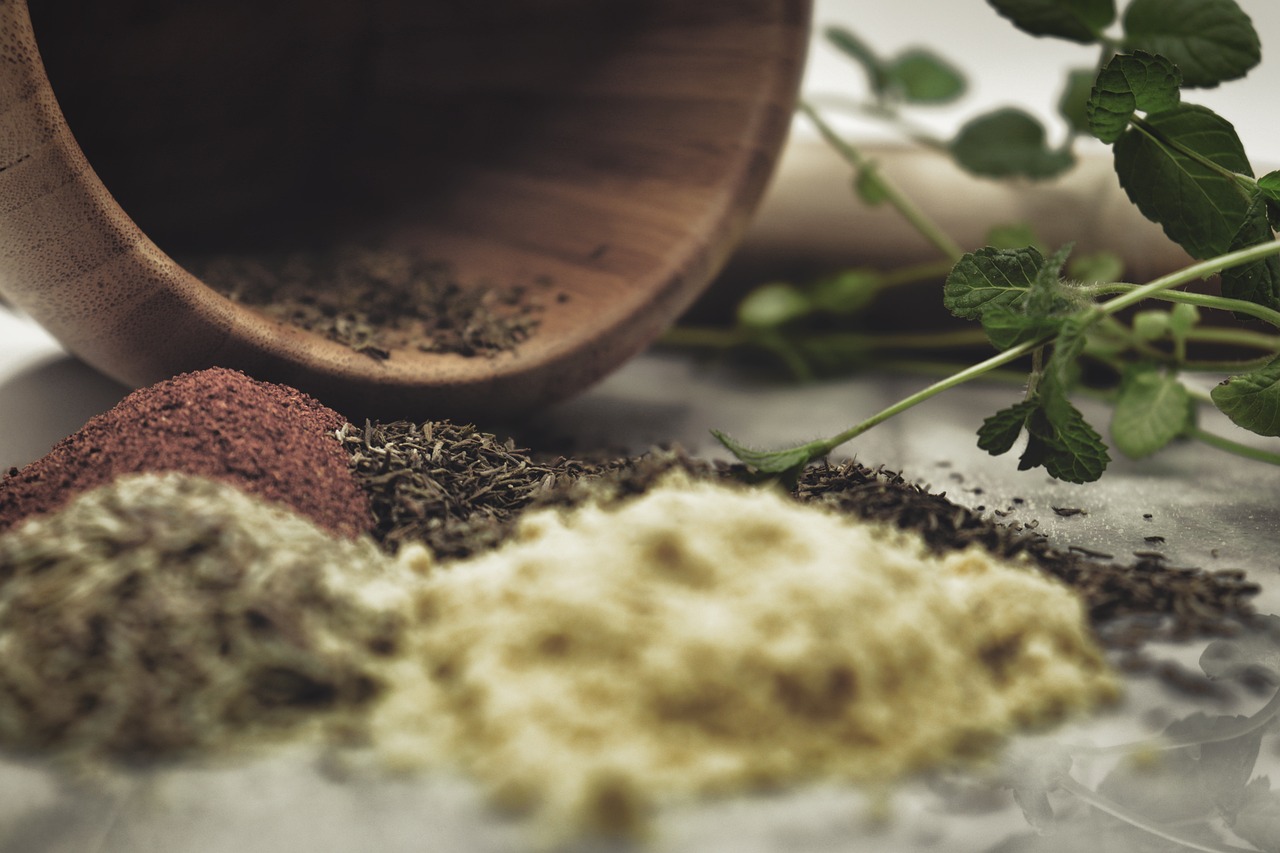
Medicinal plants have been used for centuries to promote health and treat various ailments. As interest in natural remedies and holistic health continues to grow, more people are turning to medicinal plants as part of their wellness routines. However, using these plants effectively requires knowledge and caution. Here are key considerations when exploring the use of medicinal plants.

1. Understanding the Therapeutic Benefits and Limitations
Each medicinal plant offers specific health benefits, but it is crucial to understand both its potential and its limitations. For example, aloe vera is well-known for its soothing properties on the skin and its role in wound healing, while ginger is celebrated for its anti-inflammatory and digestive benefits. Not all plants are suitable for every condition or person.
Before incorporating any medicinal plant into your health regimen, research its uses and the scientific evidence supporting its efficacy. If you’re interested in understanding more about the regulation and use of medicinal plants, you can check out this website to learn more about medical marijuana doctors or nurse practitioners who can provide professional guidance. Consulting with healthcare providers or specialists can also help ensure that the chosen plant will address your specific health needs safely.
2. Be Aware of Possible Side Effects and Contraindications
While medicinal plants are natural, that does not mean they are without side effects or risks. Some plants, such as St. John’s Wort, can interact with medications and reduce their effectiveness or cause adverse reactions. People taking blood thinners should avoid certain herbs that can exacerbate bleeding risks.
Always verify if a medicinal plant may interact with any current medications or conditions you have. Consulting a qualified healthcare provider or herbalist can help you identify potential contraindications. Keeping track of your body’s response when trying a new plant can also aid in catching any adverse reactions early.
3. Choose High-Quality Sources
The quality of medicinal plants varies widely depending on where and how they are grown, harvested, and processed. To reap the benefits, choose high-quality, organic products from reputable sources. Whether purchasing dried herbs, tinctures, or essential oils, look for certifications that attest to their purity and potency.
Avoid products that contain additives, synthetic fillers, or that are grown in non-organic environments where they could be exposed to pesticides or heavy metals. Ensuring the plant’s quality is essential for both safety and effectiveness.
4. Learn the Proper Preparation Techniques
How a medicinal plant is prepared can affect its efficacy. Some plants need to be steeped as teas to release their beneficial properties, while others are more effective when taken as tinctures, capsules, or applied topically. Chamomile is best enjoyed as a tea to calm the nerves, while turmeric is often consumed with black pepper to enhance absorption and maximize its anti-inflammatory benefits.
Proper preparation also involves understanding the correct dosage. Too little may not yield the desired effect, while too much could be harmful. For homemade preparations, follow trusted recipes and guidelines. For commercially available products, adhere to the manufacturer’s instructions unless advised otherwise by a healthcare professional.
5. Consider Sustainable and Ethical Practices
Sustainability is an important consideration when using medicinal plants. Overharvesting and unsustainable farming practices can lead to the depletion of certain plant species, threatening biodiversity and local ecosystems. When sourcing medicinal plants, opt for products from companies that adhere to ethical and sustainable practices.
Supporting local or small-scale farmers who prioritize eco-friendly cultivation methods not only benefits the environment but also ensures that you are receiving a product cultivated with care. If you grow your own medicinal plants, use organic methods and rotate crops to maintain soil health.
6. Integrate Medicinal Plants into a Holistic Health Plan
While medicinal plants can offer significant health benefits, they are most effective when integrated into a broader approach to wellness. Combining the use of medicinal plants with a balanced diet, regular exercise, and adequate sleep can amplify their positive effects.
Using lavender oil for stress relief can be more effective when coupled with mindfulness practices or yoga. Similarly, incorporating anti-inflammatory herbs such as turmeric or ginger into a nutritious diet rich in fruits and vegetables can support overall health and well-being.
7. Stay Informed and Updated
The field of medicinal plants is constantly evolving, with ongoing research revealing new benefits, applications, and precautions. To use medicinal plants safely and effectively, stay informed about recent studies and recommendations from experts. Joining herbalist groups, subscribing to reliable health publications, and attending workshops can help you remain up-to-date.
It is essential to be discerning about where you obtain your information, as not all sources are reputable. Always cross-reference findings with established medical and herbal sources to confirm accuracy and safety.

Incorporating medicinal plants into your health routine can offer numerous benefits, from boosting immunity to managing stress and enhancing overall wellness. However, it is essential to approach their use with knowledge, caution, and respect for sustainability. By understanding their properties, choosing quality sources, consulting with professionals, and integrating them into a comprehensive health plan, you can make the most of what these natural remedies have to offer.




Leave a Reply