
Storms can cause unexpected havoc on properties, leaving homeowners grappling with the aftermath. From torrential rains and flooding to powerful winds and hail, the impact of severe weather can be devastating. As a homeowner, understanding the nature of storm-related property damage is essential for effective recovery and future preparedness. This guide provides crucial insights into the types of damages that can occur, how to respond, and when you might need to consult with property damage lawyers for assistance.
Types of Storm-Related Property Damage
Storms manifest in various ways, each capable of inflicting different kinds of damage to homes. Identifying the specific type of damage your property sustains can guide your recovery efforts and insurance claims. Here are some of the most common types of storm-related damage:
Wind Damage
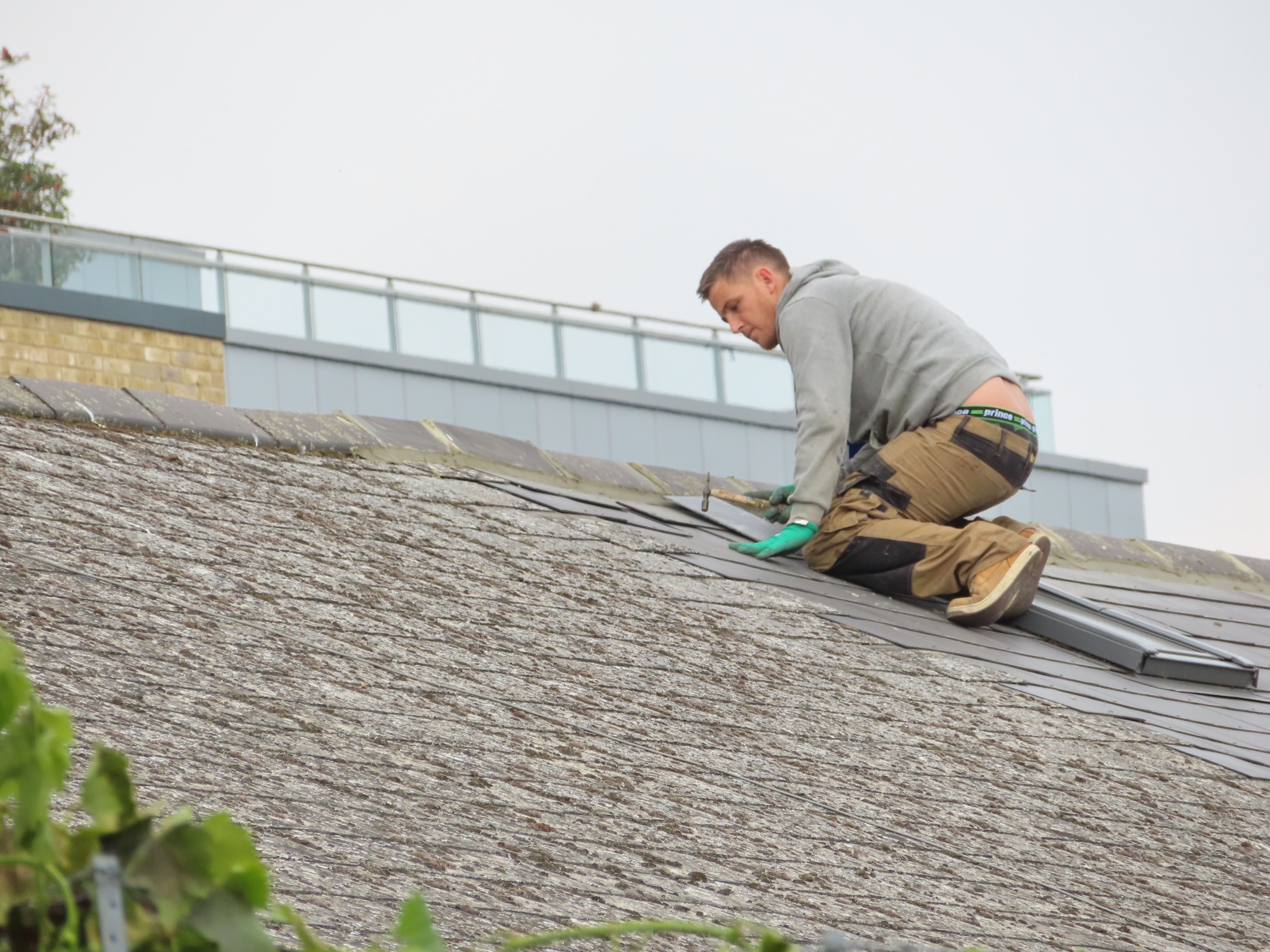
High winds, especially during severe thunderstorms or hurricanes, can cause significant destruction. Roofs may suffer from missing shingles, while windows and doors can be compromised, leading to further water damage. According to the National Oceanic and Atmospheric Administration (NOAA), gusts can exceed 100 mph in severe storms, stressing the importance of regular maintenance and inspections before storm season.
Water Damage
Flooding is a common consequence of heavy rainfall, and the resulting water can seep into basements, ceilings, and walls. This situation not only damages the structure but also creates conditions that could lead to mold growth. The Environmental Protection Agency (EPA) notes that damp indoor environments can lead to various health issues, making timely remediation crucial.
Hail Damage
Hail can wreak havoc on roofing materials, siding, and windows. Even small hailstones can produce dents and cracks that lead to expensive repairs. According to research from the Insurance Information Institute, the average hail claim payout is around $8,000, which underscores the financial risk associated with severe hailstorms.
Tree Damage
Falling trees during high winds represent another danger for homeowners. A tree may not only damage the roof but can also take out power lines, causing extended outages and repair costs. The USDA Forest Service estimates that up to 5% of mature trees are lost each year due to severe weather conditions.
Assessing Property Damage After a Storm
Once the storm has passed, the first step is to conduct a comprehensive assessment of your property to understand the extent of the damage. This process involves checking both internal and external structures.
Safety Precautions
Before inspecting your property, ensure it is safe to do so. Look out for downed power lines, unstable structures, and hazardous debris. Always wear appropriate protective gear, such as gloves, boots, and a hard hat, to protect yourself during the assessment.
Documenting Damage
Once safe, begin documenting the damage with photographs or videos. Record specific details that reflect the severity of the damage, including the interior and exterior of your home. Creating a comprehensive record will aid discussions with your insurance company and help justify your claims for repairs.
Understanding Your Insurance Policy
An essential part of recovering from storm-related property damage is understanding the nuances of your insurance coverage. Homeowners insurance typically covers a wide range of storm damage, but specifics can vary.
Common Coverage Types
Most homeowners insurance policies include coverage for wind and hail damage, while flood damage might require separate flood insurance. It’s vital to review your policy before disaster strikes, as not all situations are insured. A clear understanding of your coverage can save you from unexpected out-of-pocket expenses.
When to Contact Property Damage Lawyers
If your insurance claim is denied or underpaid, or if you encounter resistance when dealing with your insurer, it might be time to consult with property damage lawyers. As explained by experts from Storm Law Partners, these professionals can help navigate the claims process, ensuring you receive the financial support needed for repairs. They understand the complexities of insurance policies and can advocate for your rights effectively.
Steps to Take Immediately After a Storm
Taking proactive steps right after a storm can help mitigate damage. Here’s a list of important actions to consider: – Ensure your safety and that of your family before beginning any recovery efforts. – Secure your property by closing windows and doors and covering any exposed areas to prevent further damage.
– Notify your insurance company about the damage as soon as possible.
– Gather documentation of the damage for your insurance adjuster.
– Start the cleanup process, but be meticulous in saving any remains for the insurance claim process.
Choosing a Contractor for Repairs
Finding the right contractor is a critical step in restoring your home. Repair efforts not only require skill but also compliance with local building codes.
Research and Recommendations
Start your search by seeking recommendations from trusted sources or neighbors who have previously dealt with storm damage. Additionally, consulting online resources can reveal contractors with good reviews. Always check for licenses, insurance, and references before finalizing a choice to ensure they are qualified to handle your repairs.
Getting Estimates
Once you have a shortlist of contractors, request detailed estimates. Understanding the breakdown of costs and timeline can help you make an informed decision. Ensure their proposals account for all necessary repairs and note any warranties offered.
Preventive Measures for Future Storms
After dealing with storm-related damage, it’s crucial to consider preventive strategies for the future. Taking time to invest in preventative measures can significantly reduce the risk of future damage.
Regular Maintenance
Establishing a routine maintenance schedule for your roof, gutters, and landscaping can make a substantial difference. Regular inspections can identify weak spots and make timely repairs. According to the Insurance Institute for Business & Home Safety, proper maintenance can reduce property damage by up to 60% during storms.
Home Improvements
Implementing home upgrades can fortify your property against severe weather. Consider installing impact-resistant windows and doors, reinforcing your roof, and utilizing storm-resistant landscaping techniques. Each improvement not only helps during storms but can also enhance your property’s overall value.

Emotional and Financial Implications of Storm Damage
The aftermath of storm damage can be overwhelming, both emotionally and financially. Homeowners often experience stress as they confront repair needs, financial burdens, and the loss of emotional comfort within their homes.
Emotional Toll
The emotional strain can manifest in various ways, from anxiety to feelings of loss. Creating a strong support network can provide relief during recovery. This network can include friends, family, and local community groups willing to assist during challenging times.
Financial Recovery
Financially, homeowners may need to manage temporary housing, repair costs, and insurance deductibles. Consulting with financial advisors can help create a realistic budget that includes these potential expenses.
Resources for Homeowners Facing Storm Damage
Many resources assist homeowners in navigating storm-related property damage recovery. From local emergency services to online advocacy groups, being informed is crucial for successful recovery.
Local Government Programs
Various local governments might offer assistance programs for affected homeowners. Look into community resources that aid with housing repair, temporary housing, and recovery grants.
With the right knowledge and proactive approach, homeowners can effectively manage storm-related property damage. Awareness of the types of damage, proper assessment, securing the right insurance coverage, and seeking legal guidance can foster a smoother recovery journey.


Leave a Reply