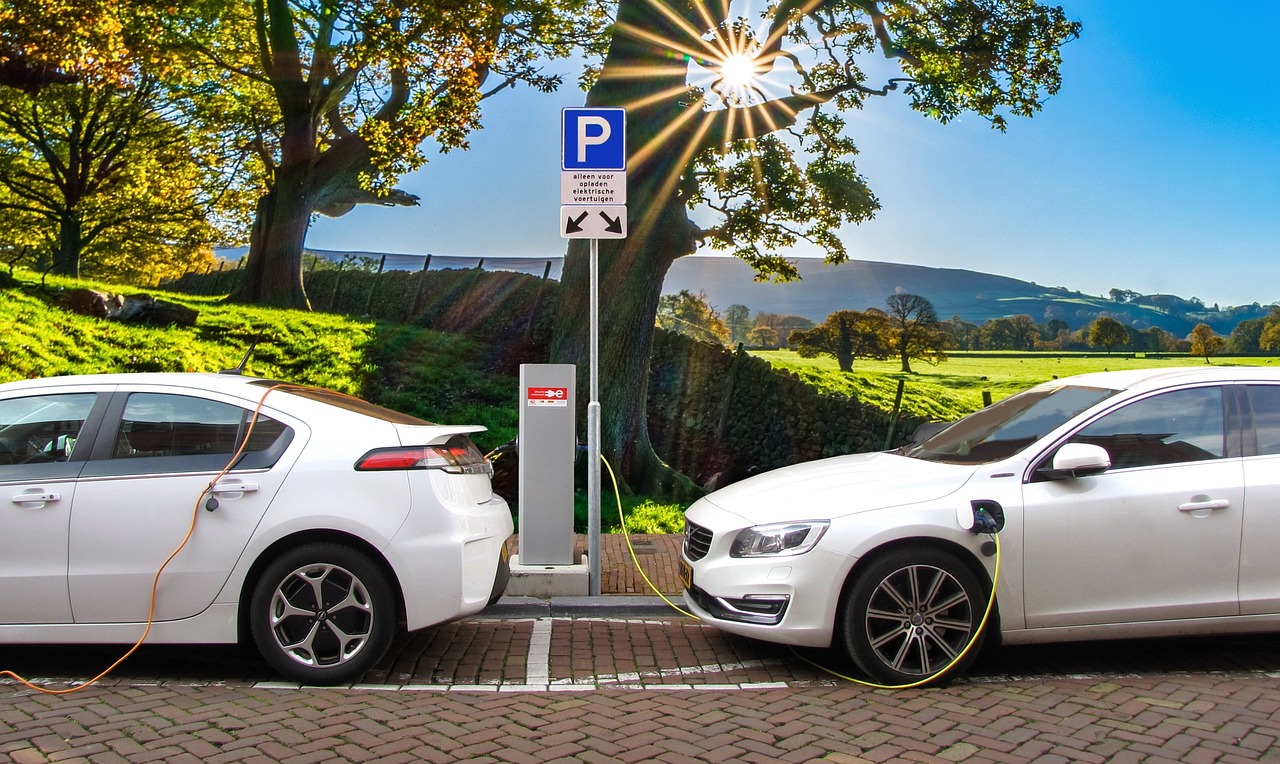

Choosing the right electric vehicle (EV) charging system for your commercial space is more than a practical decision—it’s an investment in the future of transportation and your business. As EV adoption accelerates, providing convenient and efficient charging options can attract customers, support employees, and enhance your property’s value.
But with a growing range of options available, how do you select a system that fits your needs? From understanding power requirements to evaluating network capabilities, making the right choice requires careful consideration.
This guide will explore six essential factors to help you navigate the process and find a solution tailored to your commercial space. Whether you’re upgrading your infrastructure or installing chargers for the first time, these tips will set you on the path to sustainable success. Let’s get started.
Understand Your Business and User Needs
To choose the right EV charging system, start by assessing your business type and the needs of your users. For example, if your commercial space caters to office workers who park for extended periods, Level 2 chargers may be sufficient.
However, businesses like highway rest stops or logistics hubs with high turnover may benefit from DC fast chargers to accommodate quick recharges. For instance, you will need DC charging to support customers who require rapid charging during short stops. By aligning the charging solution with your business operations and user expectations, you can ensure better satisfaction and return on investment.
Assess Power Requirements and Electrical Capacity
The power requirements and electrical capacity of your site play a crucial role in determining the type of EV charging system you can install. Level 1 chargers require minimal electrical upgrades, making them ideal for small businesses with limited power supply. On the other hand, Level 2 and DC fast chargers demand higher power outputs, which may require infrastructure upgrades or utility approvals.
Evaluate your property’s existing electrical panel capacity and consider future scalability. Working with a licensed electrician or consultant can help identify necessary upgrades and ensure compliance with safety standards while optimizing the system for your commercial space.
Evaluate Charger Connectivity and Smart Features
Modern EV chargers come with connectivity options and smart features that enhance usability and management. Networked chargers can offer real-time monitoring, payment processing, and energy usage tracking, making them ideal for commercial settings. Some systems even allow for dynamic load balancing, which optimizes energy distribution across multiple chargers.
These features not only improve the user experience but also help businesses monitor performance and reduce operational costs. When choosing a system, prioritize chargers with software capabilities that align with your operational goals, whether it’s generating revenue through usage fees or offering free charging as a customer incentive.
Consider Installation Costs and Maintenance Requirements
Installing an EV charging system involves upfront costs for equipment, installation, and potential electrical upgrades. Maintenance costs should also be factored into your decision, as the longevity and reliability of the chargers depend on regular servicing. Choose a charging system from a reputable manufacturer with strong after-sales support and warranty options.
Some providers offer subscription-based maintenance plans, which can help manage ongoing costs. Additionally, look into government incentives and rebates available for EV infrastructure to offset initial expenses. A cost-benefit analysis can ensure you make a financially sound decision that aligns with your budget.
Plan for Scalability and Future Expansion
As EV adoption continues to grow, future-proofing your commercial space with scalable charging infrastructure is essential. Start by considering the projected demand for EV charging in your area and selecting a system that allows for easy expansion. Installing conduits and upgrading electrical capacity during the initial setup can reduce costs when adding chargers later.
Look for modular charging systems that can be scaled as your needs evolve. Planning for scalability ensures that your investment remains relevant and adaptable to the increasing number of EV users over time, making your commercial space a competitive and attractive destination.
Research Compliance and Safety Standards
Ensuring that your EV charging system meets local compliance and safety standards is crucial. Regulations vary by region, covering areas like installation practices, energy efficiency, and user safety. Familiarize yourself with these requirements and choose equipment that is certified by recognized organizations, such as UL or CE.
Partnering with experienced installers who understand local codes can also streamline the process and reduce compliance risks. Additionally, prioritize systems with built-in safety features, such as surge protection and automatic shut-off mechanisms, to protect users and vehicles. Compliance not only safeguards your business but also enhances your credibility as a responsible service provider.

Choosing the right electric vehicle charging system for your commercial space is a strategic decision that can enhance your business’s appeal, support sustainability goals, and meet evolving customer needs. By understanding your users, assessing power and installation requirements, considering smart features, and planning for future growth, you can make an informed choice that benefits both your business and the environment. With the right infrastructure in place, your commercial space will be well-equipped to serve the growing number of electric vehicle drivers and position your business as a forward-thinking leader in the transition to clean energy.




Leave a Reply