Addiction is a growing concern worldwide, affecting millions of lives. While traditional treatments like therapy and medication have proven effective, some individuals have turned to alternative remedies to support their recovery.
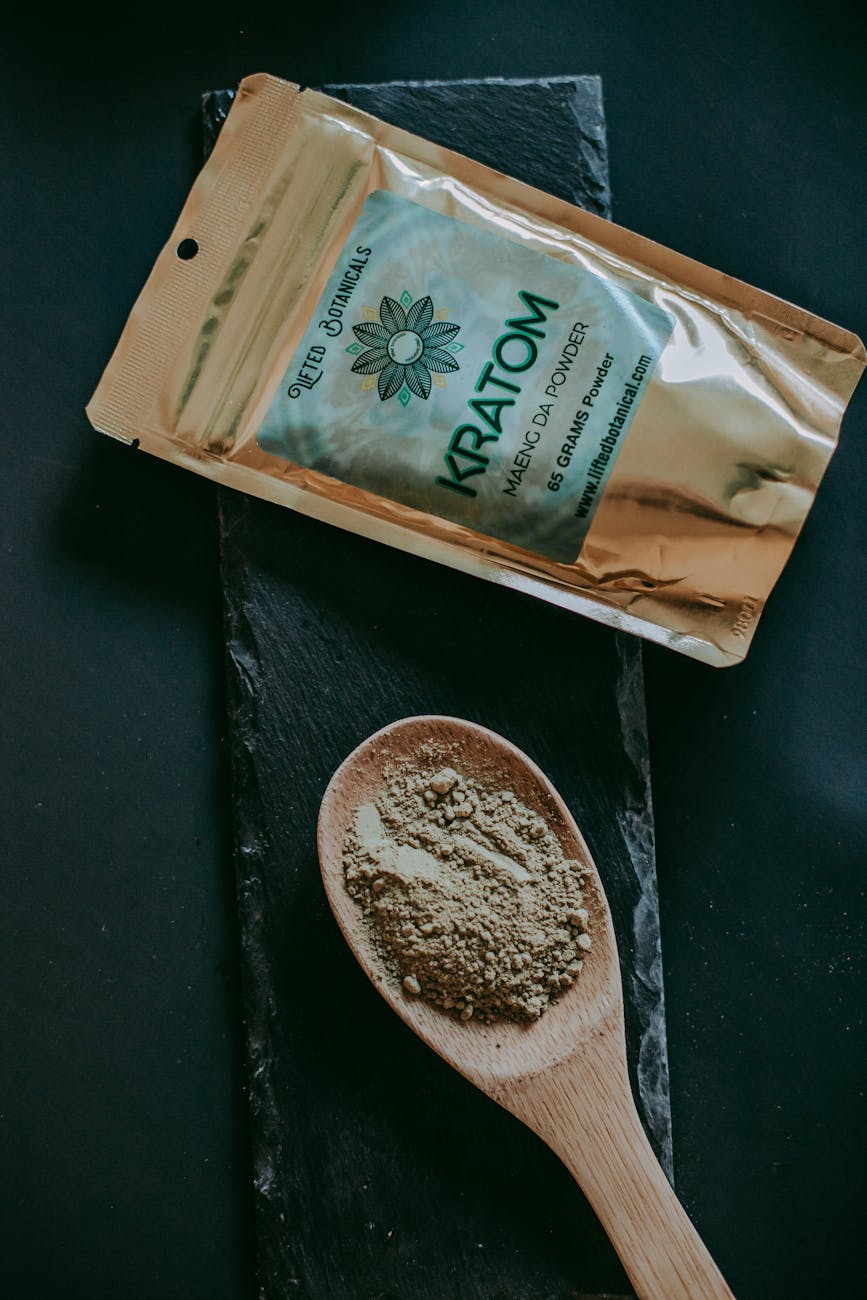
One such alternative is Kratom, a tropical plant known for its potential to alleviate withdrawal symptoms and cravings. However, its use in addiction recovery remains a topic of heated debate. This blog explores how Kratom might help individuals struggling with addiction, its potential benefits, and the controversies surrounding its use.
How Kratom Might Help in Addiction Recovery
Managing Withdrawal Symptoms: One of the most challenging aspects of overcoming addiction is dealing with withdrawal symptoms. For individuals addicted to substances like opioids, symptoms can include severe pain, insomnia, nausea, and anxiety.
Kratom interacts with the same opioid receptors in the brain as traditional opioids, helping to alleviate withdrawal symptoms without producing the intense “high” associated with drugs. This makes it a potential bridge for individuals transitioning away from addictive substances.
Reducing Cravings: Kratom may also help curb cravings, a critical factor in addiction recovery. Its calming effects can reduce the mental and emotional urges that often lead to relapse. For some, this support is invaluable in maintaining long-term sobriety.
Providing Emotional Stability: Addiction recovery is not just physical—it’s emotional and psychological as well. Many users report that Kratom helps improve their mood, reduce anxiety, and promote a sense of well-being. These effects can provide the mental stability needed to focus on recovery.
The Benefits of Using Kratom in Recovery
Natural Alternative: Kratom is a plant-based remedy, which appeals to individuals seeking natural solutions over synthetic medications. Its traditional use in Southeast Asia lends credibility to its safety when used responsibly.
Accessibility: Kratom is relatively affordable and widely available compared to prescription medications used in addiction treatment. Many users even turn to online communities like best Kratom strain Reddit threads to find recommendations and advice on the most effective strains. For individuals with limited access to healthcare, it may serve as a viable option.
Dual Action: Kratom’s ability to act as both a stimulant at low doses and a sedative at higher doses makes it adaptable to various stages of recovery. It can provide energy and focus during the day while promoting relaxation and better sleep at night.
The Controversies Surrounding Kratom
Lack of Regulation: One of the biggest issues with Kratom is the lack of regulation in many countries. In the United States, for example, Kratom is not approved by the FDA. This means the quality, purity, and dosage of Kratom products can vary significantly, posing potential risks to users.
Risk of Dependency: While Kratom is considered less addictive than opioids, it is not entirely risk-free. Some users have reported developing a dependency on Kratom, particularly when it is used in high doses over extended periods. This raises concerns about whether Kratom is trading one addiction for another.
Side Effects: Like any substance, Kratom has potential side effects, including nausea, dizziness, constipation, and irritability. In rare cases, long-term use has been linked to liver damage. These risks make it essential for individuals to use Kratom responsibly and under professional guidance.
Legal and Ethical Concerns: Kratom’s legal status varies globally. While it is legal in some countries, others have banned it due to concerns about its safety and potential misuse. This inconsistency complicates its role in addiction recovery and raises ethical questions about promoting an unregulated substance.
Expert Opinions on Kratom in Addiction Recovery
Advocates for Kratom: Proponents argue that Kratom offers a lifeline for individuals who have not found success with traditional treatments. They believe its natural composition and ability to ease withdrawal symptoms make it a safer alternative to synthetic drugs.
Critics of Kratom: Critics, however, warn that the lack of clinical research and regulation makes Kratom a risky choice. They stress that more studies are needed to understand its long-term effects and safety profile.
How to Use Kratom Responsibly
Consult a Healthcare Professional: Before incorporating Kratom into your recovery plan, consult a healthcare provider. They can help determine the appropriate dosage and monitor for any adverse effects.
Start with Low Doses: Begin with a small dose to gauge how your body reacts. Gradually increase the dosage if necessary, but avoid excessive use to minimize the risk of dependency.
Choose Reputable Sources: Purchase Kratom from trusted suppliers that test their products for quality and purity. This can help reduce the risks associated with contaminated or mislabeled products.
Combine with Traditional Treatments: Kratom should not replace traditional addiction treatments like therapy or medication-assisted treatment (MAT). Instead, it can be used as a complementary tool to support recovery.
Final Thoughts
Kratom’s role in addiction recovery is both promising and controversial. While it may help ease withdrawal symptoms, reduce cravings, and promote emotional stability, it is not without risks. The lack of regulation, potential for dependency, and limited scientific research highlight the need for caution and professional guidance.
For those exploring Kratom as part of their recovery journey, responsible use is key. By consulting healthcare providers, starting with low doses, and combining Kratom with traditional treatments, individuals may find it to be a helpful ally in their fight against addiction.
As research continues to evolve, the conversation around Kratom’s role in addiction recovery will likely remain a topic of interest and debate.




Leave a Reply