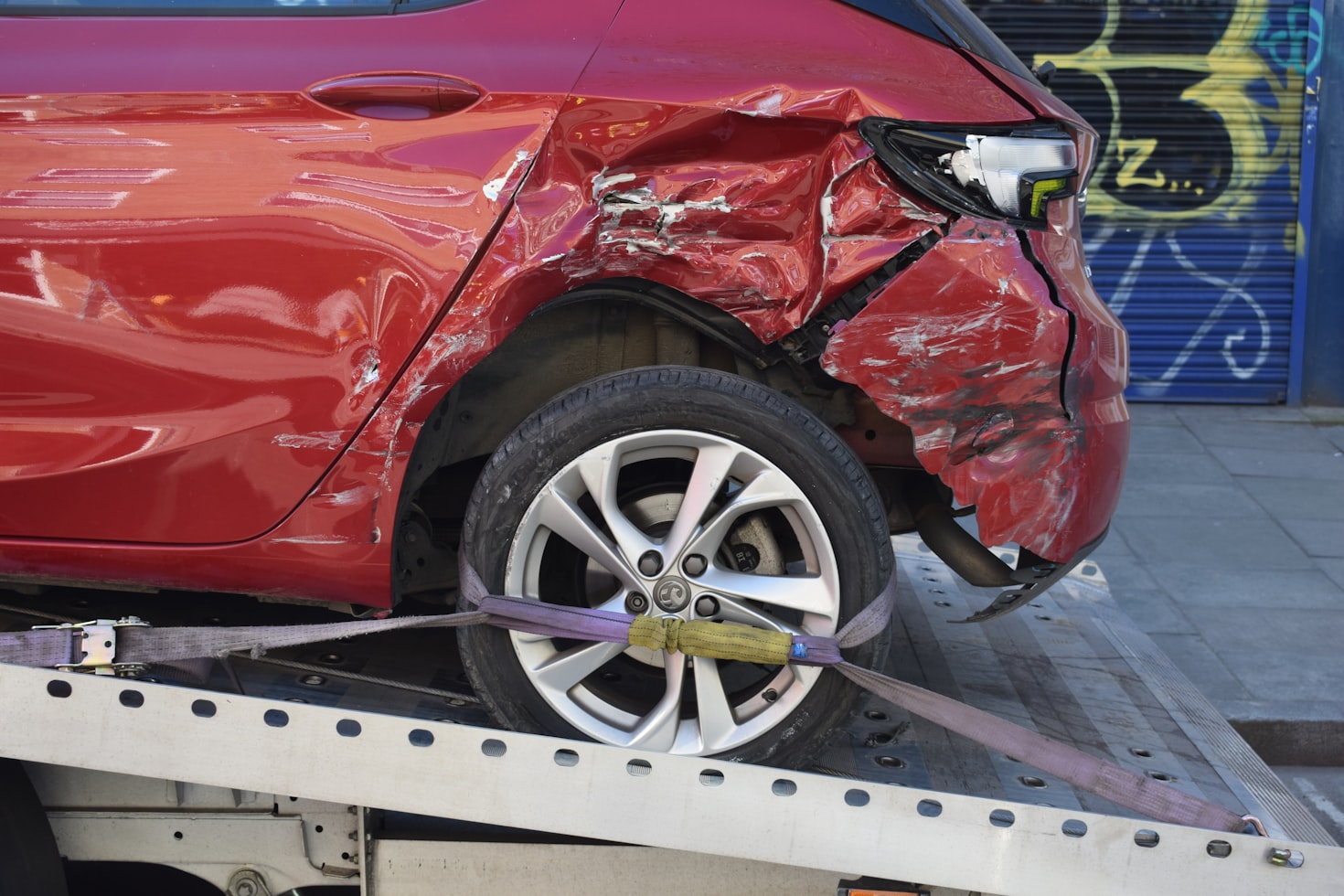
Car accidents are often unexpected and can leave drivers feeling disoriented and unsure of what steps to take next. Whether the collision is minor or more severe, it’s important to remain calm and focused to ensure that you protect yourself, your passengers, and your rights. Understanding the key actions to take after an accident can prevent further complications, both legally and medically. In this guide, we’ll explore six vital steps you should follow to handle the aftermath of a car accident effectively.

Ensure Safety First
Your priority after any car accident is safety. If you can, move your vehicle to a safe location out of the flow of traffic. If your car is still operational and you’re in a dangerous area, drive it to the side of the road or a nearby parking lot. If your car is disabled or it’s unsafe to move, turn on your hazard lights to alert other drivers. Check to see if anyone in your vehicle or the other car is injured. If there are injuries, do not attempt to move people unless they are in immediate danger (such as from a fire or oncoming traffic). Wait for emergency services to arrive.
Contact a Legal Representative
After a car accident, it’s wise to consider your legal options, especially if injuries, significant property damage, or disputes over fault are involved. Even if the case seems straightforward, complexities often arise when dealing with insurance companies or determining liability. That’s why many people choose to work with a car crash lawyer, particularly one who understands the nuances of personal injury law and can advocate effectively on your behalf. A qualified attorney can help you gather necessary documentation, negotiate with insurers, and, if needed, pursue legal action. Taking this step can greatly increase your chances of receiving fair compensation and peace of mind.
Call Emergency Services
Even if the accident seems minor, it’s crucial to call emergency services. Reporting the incident to the police ensures an official record is made, which can be valuable for insurance claims or legal purposes later. When speaking with the dispatcher, remain calm and provide clear, accurate details about the accident location, the number of vehicles involved, and any injuries. It’s also a good idea to request an ambulance if anyone appears injured, even if the injuries seem minor. Injuries from a car accident may not be immediately apparent, so professional medical evaluation is essential.
Gather Information at the Scene
After ensuring safety and notifying authorities, the next step is to gather as much information as possible at the scene. Start by exchanging details with the other driver(s), including full names, addresses, phone numbers, driver’s license numbers, license plate numbers, and insurance information. It’s also important to collect contact information from any witnesses who may have seen the accident occur. If it’s safe to do so, take photos of the scene, including the vehicles, any visible damage, road conditions, and any traffic signs or signals that could be relevant. Documenting the scene can be extremely helpful when filing a claim or if any disputes arise later.
Notify Your Insurance Company
Once you’ve addressed immediate concerns and exchanged information, contact your insurance company as soon as possible. Many insurance policies require prompt reporting of accidents, so delaying the call could jeopardize your coverage. When speaking with your insurer, provide a detailed, factual account of what happened. Include all information you’ve gathered from the scene, and be honest about the incident. Your insurance company will guide you through the claims process, which may involve submitting photos, witness statements, and a copy of the police report. Keep a record of all communication with your insurer for future reference.
Seek Medical Attention
Even if you don’t feel injured immediately after the accident, it’s a good idea to seek medical attention. Whiplash, concussions, and internal injuries may not be immediately obvious, but can cause long-term problems if left untreated. A visit to your doctor or the emergency room can help identify any hidden injuries and provide necessary treatment. Symptoms may not appear until hours or days after the crash. By seeking medical attention, you ensure that any injuries are documented, which could be important for insurance claims or if you need to file a personal injury lawsuit later.

A car accident can be a stressful and overwhelming experience, but following these six essential steps can help you navigate the aftermath more effectively. By prioritizing safety, gathering information, avoiding admission of fault, notifying your insurance company, and seeking medical attention, you can protect your health, rights, and financial well-being. Stay calm, be thorough, and take the necessary steps to ensure that you handle the situation responsibly and legally.




Leave a Reply