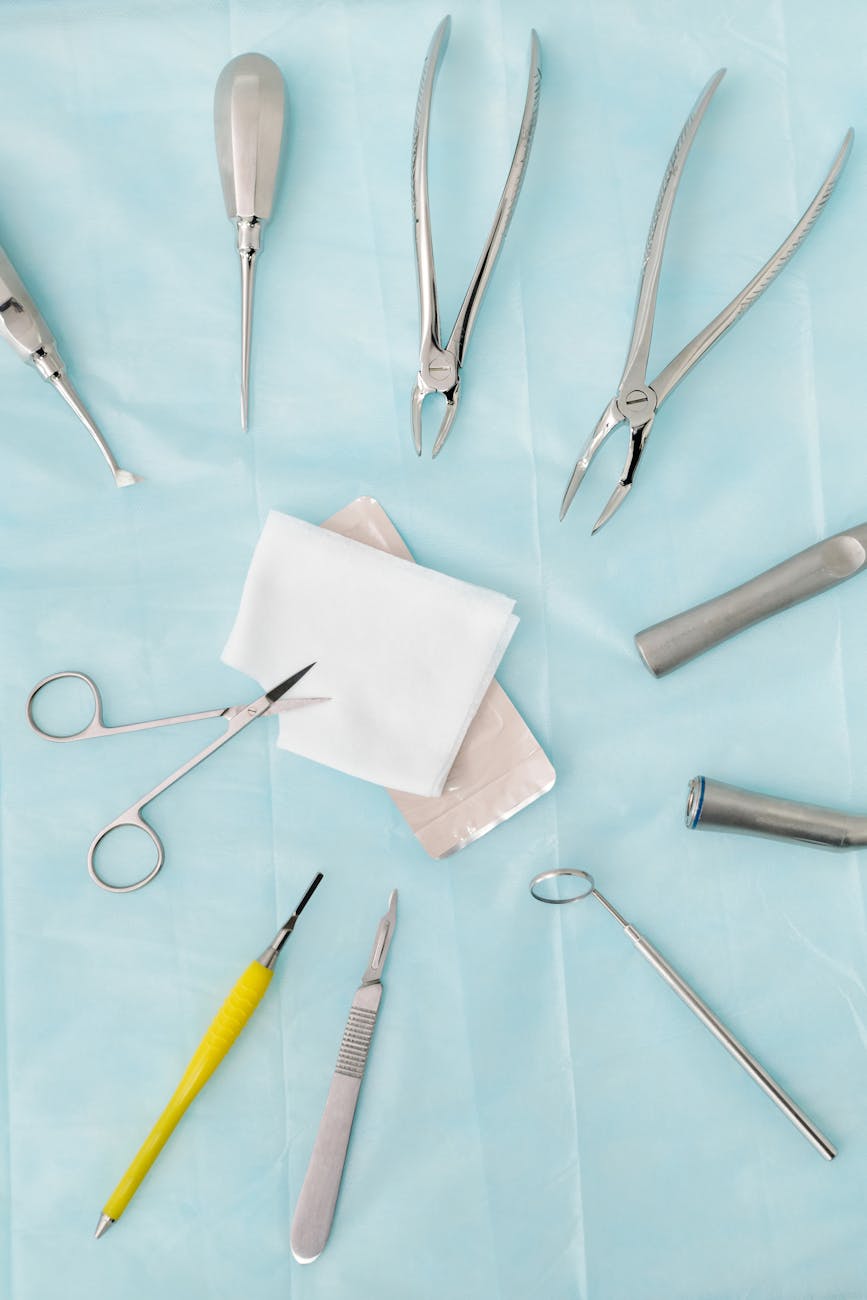
In the field of medicine, pharmaceuticals, laboratories, and food processing, one thing you’ll always find is the steam sterilization machine. With high-pressure steam capable of killing viruses and bacteria, these machines are essential for sterilizing tools and equipment.
If you’re planning to buy a steam sterilization machine, it’s important to understand how it works and what features matter. In this complete buyer’s guide, we’ll walk you through everything you need to make an informed decision.
What Is a Steam Sterilizer?
A steam sterilizer, also known as an autoclave, is a system used to sterilize equipment using high-pressure saturated steam at 121°C or 134°C for 15–20 minutes, depending on the load. This method is bactericidal, sporicidal, fungicidal, and virucidal.
Steam sterilization is the oldest and still the most trusted method of sterilization. It’s widely used in hospitals, clinics, laboratories, dental facilities, pharmaceutical production, and food processing.
How a Steam Sterilization Machine Works
1. Heating and Air Evacuation
The chamber is sealed, and air is evacuated or replaced with steam. Air pockets can reduce effectiveness, so removing them is critical.
2. Sterilization Cycle
Once the chamber reaches the required temperature and pressure, the load is exposed to saturated steam for 15–30 minutes based on the materials and volume.
3. Cooling and Drying
After sterilization, the steam is released, pressure is reduced, and the drying phase begins to eliminate residual moisture.
This combination of heat, pressure, and moisture ensures efficient sterilization.
Why Use a Steam Sterilization Machine?
Here are several important benefits of a steam sterilization machine:
- High Effectiveness: Destroys all types of pathogens including bacteria, spores, parasites, and viruses.
- Eco-Friendly: Uses only water and electricity—no chemicals.
- Versatile: Kills a wide range of microorganisms on different tools and surfaces.
- Cost-Effective: Minimal consumables compared to chemical or radiation methods.
Types of Steam Sterilization Machines
Knowing the types of machines helps you choose the right one for your needs:
Gravity Displacement Autoclave
Common in clinics and small labs. Steam enters the chamber and displaces cooler air downward. Inexpensive but less ideal for hollow instruments.
Pre-Vacuum (High Vacuum) Autoclave
Uses a vacuum pump to remove air before steam is introduced. Great for complex and hollow instruments. Common in hospitals.
Tabletop Autoclaves
Compact units ideal for dental offices, tattoo studios, and small labs. Fast, easy to use, and space-saving.
Industrial Steam Sterilizers
Designed for bulk sterilization in food or pharmaceutical industries. Programmable cycles and large capacities.
Features to Look for in a Steam Sterilization Machine
Chamber Size and Capacity
Match the chamber volume to your needs. Clinics may need 20 liters; hospitals might need 200 liters or more.
Sterilization Cycle Options
Modern machines offer multiple cycle settings for instruments, liquids, textiles, and more.
Temperature and Pressure Range
Ensure it maintains a consistent temperature (121°C–134°C) and pressure (15–30 psi) during the cycle.
Drying Function
Look for a machine with automatic drying to prevent moisture-related contamination.
User Interface and Automation
Touchscreen displays, data logging, and alarms make machines easier to operate and monitor.
Safety Features
Key safety components include pressure release systems, door-locking mechanisms, temperature protection, and water level sensors.
Energy and Water Efficiency
Models with energy-saving modes and water recycling reduce long-term costs and environmental impact.
Compliance and Certification
Always ensure the machine meets important quality and safety standards:
- ISO 13485 – Quality management for medical devices
- EN 13060 – Applicable for small steam sterilizers
- FDA or CE Certification – Regional approvals for health and safety
Certified machines are more reliable and easier to inspect or audit by regulators.
Maintenance and Support
A steam sterilization machine is a long-term investment. Choose suppliers offering:
- Warranties and after-sales support
- Easy-to-source spare parts
- Training and documentation
- Remote diagnostics and firmware updates
Routine maintenance should include descaling, gasket checks, valve testing, and filter cleaning.
Top Steam Sterilization Machine Brands
Reputable manufacturers include:
- Tuttnauer
- Getinge
- Midmark
- SteriTech
- MELAG
- Systec
Each offers reliable machines tailored for different applications and budgets.
Price Range
The cost of a steam sterilization machine depends on size, features, and brand:
- Tabletop units: $2,000 – $8,000
- Mid-sized autoclaves: $10,000 – $30,000
- Industrial models: $50,000 and above
Be sure to account for ongoing operational costs and maintenance when budgeting.
Final Thoughts
Choosing the best steam sterilization machine depends on your specific needs, environment, and budget. Whether you’re a dentist, lab technician, or industrial operator, there’s a model designed to meet your goals—ensuring safety, efficiency, and compliance.
Always evaluate the machine’s size, type, features, certifications, and after-sale support before purchasing. A well-informed decision today will lead to years of reliable performance and peace of mind.




Leave a Reply