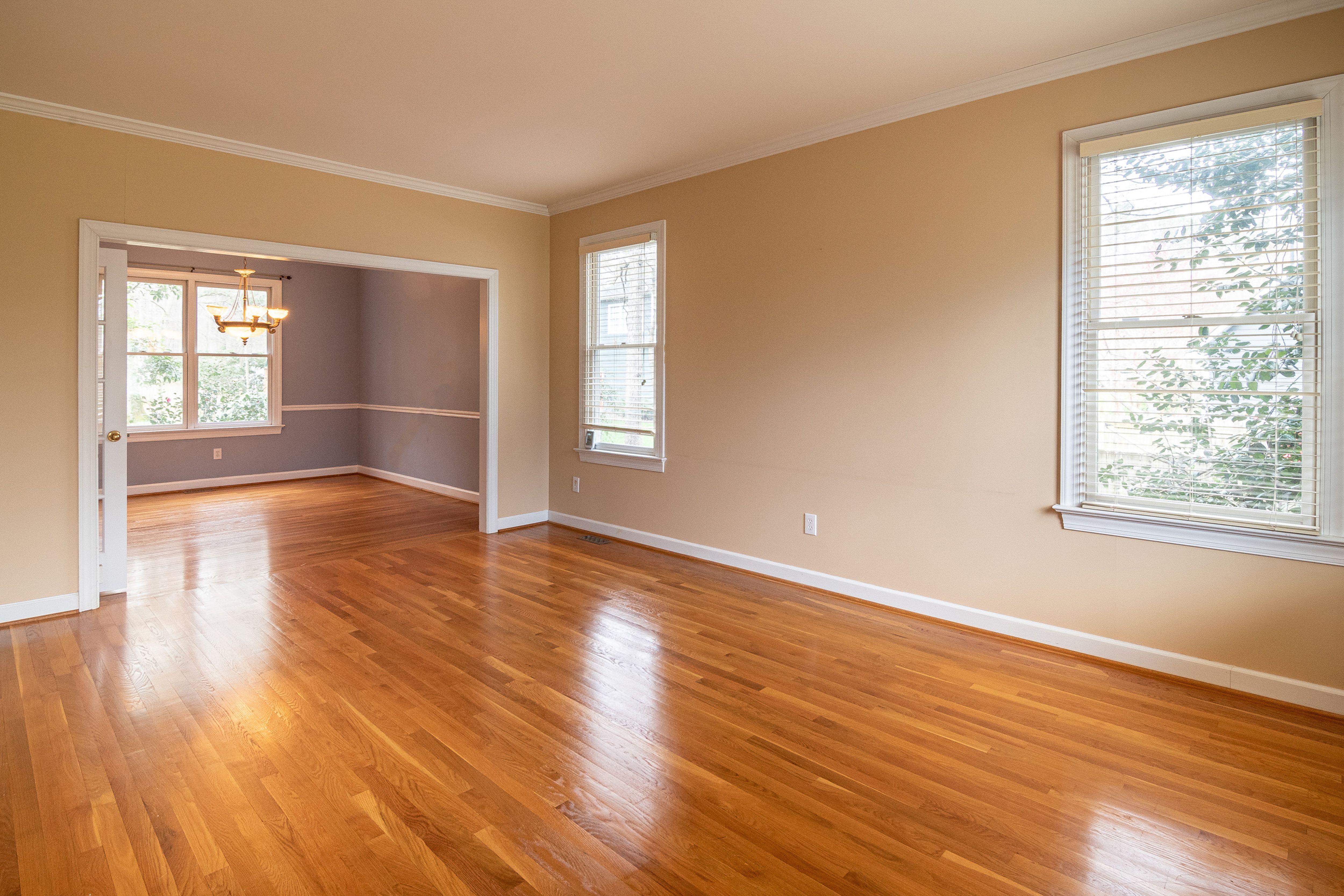
Wood flooring changes subtly after it enters a home. Because wood responds to surrounding conditions, boards may expand or contract as indoor moisture levels shift. Those small changes are normal, but poor preparation or unsuitable installation conditions may turn natural movement into noticeable gaps, raised areas, or other problems.
Successful hardwood floor installation therefore involves more than arranging attractive boards across a room. The condition of the subfloor, indoor environment, board preparation, installation method, and later household habits all influence how the finished surface behaves. Understanding these factors gives homeowners a clearer picture of what happens before and after installation.
A stable floor begins with decisions that are mostly invisible once the work is complete. Flooring projects associated with NW Tile & Flooring LLC involve materials whose finished appearance depends partly on the conditions supporting them. Looking beyond color and wood grain allows homeowners to consider the practical details that affect everyday performance.
Wood Naturally Responds to Its Surroundings
Hardwood is different from materials that remain relatively unchanged when indoor conditions shift. Wood exchanges moisture with the surrounding air, which affects its dimensions. Changes may be small, but they matter because an entire floor contains many boards positioned closely together.
Seasonal indoor conditions can therefore influence the appearance of a wood floor. Slight gaps may become more noticeable during drier periods, while increased moisture may cause boards to expand. Problems become more concerning when movement is excessive, concentrated in one area, or accompanied by visible distortion.
This behavior explains why installation should account for expected movement rather than trying to prevent all dimensional change. The goal is to create conditions where the material has room to respond normally without producing avoidable stress across the floor.
Acclimation Connects the Material With the Indoor Environment
Flooring should not be treated as completely separate from the building where it will be installed. Wood stored under one set of conditions and immediately placed in a very different environment may need time to adjust. Product requirements and site conditions determine how this stage should be handled.
Acclimation is sometimes misunderstood as simply leaving unopened flooring inside a house for an arbitrary number of days. A more useful approach considers the manufacturer’s instructions, the condition of the building, and the flooring itself. The space should also be reasonably representative of the conditions expected during normal occupancy.
For hardwood floor installation, preparation needs to focus on the relationship between the product and its destination rather than relying on a universal waiting period. Different products and construction conditions may require different handling. Following the requirements for the specific flooring avoids treating every wood product as though it behaves identically.
The Subfloor Influences Movement Above It
The finished boards receive most of the visual attention, yet their supporting surface affects how they sit and perform. A subfloor that contains uneven areas, loose sections, contamination, or moisture concerns may interfere with the flooring system installed above it.
Flatness is particularly relevant because boards need consistent support. High and low areas may contribute to unwanted movement or make sections of the finished floor feel different underfoot. Correcting suitable preparation issues before installation is usually more practical than discovering them after the room has been completed.
Work involving NW Tile & Flooring may include flooring-related considerations where the visible material and underlying surface need to be considered together. An attractive wood selection cannot compensate for an unsuitable base. Examining what will support the boards gives the finished material a more appropriate starting point.
Moisture Below the Floor Requires Separate Attention
Indoor humidity is only one source of moisture. Concrete, leaks, plumbing problems, damp building materials, or previous water incidents may create concerns beneath the finished surface. Covering a questionable area with hardwood does not resolve the source.
Visible staining, swelling, unusual odors, or known water history should be identified before installation proceeds. The correct response depends on where the moisture originates and which materials are affected. Some conditions need further investigation rather than an immediate flooring solution.
Board Layout Affects More Than Appearance
Layout decisions are easy to view as decorative choices, but they also affect how an installation comes together. Room dimensions, wall alignment, adjoining spaces, board widths, and fixed features influence where rows begin and end. Planning these details before fastening or placing material reduces awkward surprises near the opposite side of the room.
Walls are not necessarily perfectly straight or parallel. Starting solely from one wall without considering the entire room may make irregularities more noticeable as installation progresses. Careful measurements provide a better picture of how rows will relate to visible boundaries.
Transitions also deserve early attention. Where hardwood meets tile, carpet, or another flooring material, differences in thickness and height affect the finished connection. These details should be considered as part of the layout rather than addressed only after most of the floor is already installed.
Installation Methods Need to Match the Flooring System
Hardwood products are not all installed in exactly the same way. The flooring type, manufacturer requirements, subfloor, and building conditions influence which installation method is appropriate. Assuming that a technique used for one product applies automatically to another may create unnecessary problems.
Spacing around fixed boundaries also needs to follow the requirements of the selected system. Wood needs appropriate allowance for normal dimensional changes. Covering perimeter spaces with trim creates a finished appearance while allowing the flooring assembly to function as designed.
Precision during hardwood floor installation matters because small inconsistencies may accumulate across a large room. Board alignment, joints, transitions, and perimeter details all contribute to the final surface. Care at this stage affects both what homeowners see and how the floor feels under regular foot traffic.
Daily Habits Influence the Floor After Installation
Installation ends, but the relationship between wood and its environment continues. Routine household activities expose floors to grit, furniture movement, spills, pet activity, footwear, and changing indoor conditions. Small habits determine how much of that exposure reaches the wood surface.
Loose dirt and grit can act abrasively when walked across repeatedly. Regular removal reduces unnecessary surface wear. Furniture pads also create a barrier between heavy objects and the floor, particularly where chairs or other pieces move frequently.
Spills deserve prompt attention because standing liquid is not suitable for wood surfaces. Cleaning methods should follow the recommendations for the particular flooring and finish rather than treating hardwood like tile or another water-tolerant material. Excess liquid during routine cleaning may create avoidable exposure.
Changes in the Floor Should Be Read in Context
Not every visible change indicates installation failure. Wood naturally responds to environmental conditions, and minor seasonal changes may appear as indoor humidity shifts. Homeowners benefit from distinguishing normal movement from changes that deserve closer investigation.
Large or persistent gaps, pronounced lifting, localized discoloration, unusual softness, or sudden changes after a water incident provide more useful clues than a small seasonal variation alone. The location and timing of the change may point toward its cause. Recording when a problem first appeared can also make later assessment easier.
NW Tile & Flooring LLC operates within a flooring field where installation conditions and later material behavior are closely related. Homeowners should avoid assuming that every change has the same cause. Looking at moisture history, location, surrounding conditions, and the type of movement provides better context.
Stable Hardwood Begins Before the First Board Is Placed
A hardwood floor is a natural material system rather than a completely static surface. Its long-term behavior reflects the condition of the installation site, the supporting subfloor, product requirements, room layout, and the environment it experiences after the work is finished.
Good preparation means looking for conditions that could interfere with normal material movement before they disappear beneath the new surface. It also means choosing installation details according to the actual flooring product instead of relying on assumptions that apply to every type of wood floor.
After installation, sensible cleaning, quick attention to spills, furniture protection, and awareness of unusual changes support everyday care. Understanding how wood responds to its surroundings makes it easier to separate expected movement from signs that deserve investigation, preserving both the function and appearance of the finished floor.



Leave a Reply