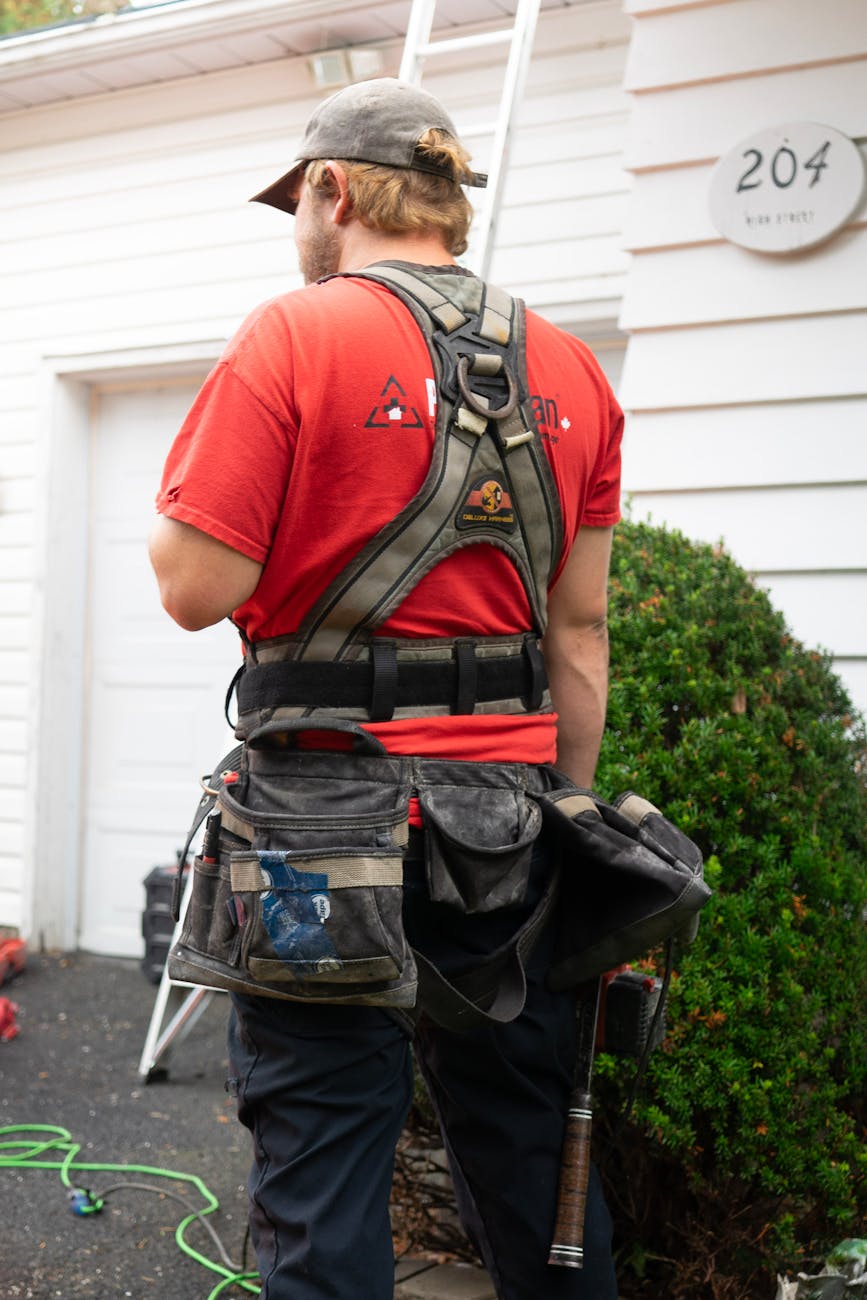
Picking the right tool belt isn’t about grabbing whatever looks cool or costs the least—it’s about matching the belt design to what you actually do all day. A carpenter needs completely different pocket configurations than an electrician, and someone doing residential work has different requirements than a commercial contractor working on high-rises. The wrong belt means you’re either carrying too much weight, not having the tools you need handy, or constantly adjusting and readjusting throughout the day. Trade-specific surveys show that workers who choose belts matched to their actual tool requirements report 25% less fatigue and complete tasks about 15% faster than those using generic setups.
Match Belt Style to Your Trade Requirements
Framers need big pouches for holding stacks of nails, multiple hammer loops, and space for speed squares and pencils. Their belts tend to be bulkier because framing involves repetitive tasks with the same few tools used constantly. You’re swinging a hammer hundreds of times a day, so that hammer loop better be positioned perfectly and built tough.
Electricians work with smaller tools and need lots of specialized pockets for wire strippers, voltage testers, and various drivers. Electrician belts focus on organization over bulk, with multiple small pouches and loops instead of a few large pockets. Many electrician belts include insulated tool storage for safety around live circuits.
Plumbers deal with wrenches, cutters, and various fitting tools that are often greasy or wet. Plumber belts typically use materials that clean easily and resist water absorption. The pockets need to accommodate odd-shaped tools like pipe wrenches and basin wrenches that don’t fit well in standard pouches.
General contractors or handymen need versatile belts that can handle a bit of everything. These modular systems let you add or remove pouches based on the day’s work. Maybe today you need the drywall pouch, but tomorrow you’re doing trim work and need different tools accessible.
Size and Fit Determine Comfort and Function
Belt sizing is more complicated than just waist measurement. You need to account for the clothes you’ll wear—summer t-shirts versus winter coveralls make a several-inch difference. Most quality belts adjust across a range, but buying too small means you can’t expand it when needed, and too large means excess strap flapping around getting caught on things.
The positioning on your body matters hugely. Some workers prefer the belt sitting on their hips, others like it higher on the waist. Hip positioning puts weight lower and allows more bending flexibility, but the belt can slide around more. Waist positioning keeps things stable but can interfere with bending at the waist. This is personal preference that you discover through actually wearing different styles.
Suspenders or no suspenders depends on how much weight you carry. If you’re regularly loading up more than 15 pounds of tools, suspenders stop being optional and become necessary for back health. They take weight off your hips and distribute it to your shoulders, preventing that end-of-day soreness in your lower back. Some guys refuse to use suspenders because they feel restrictive, but that attitude usually changes after a few years when back problems start showing up.
Pocket Configuration Affects Daily Workflow
Think about your most-used tools and how often you reach for them. Those tools need to be in your dominant hand’s primary reach zone—the area right around your hip where your hand naturally falls. Secondary tools can go on the opposite side or toward the back.
Pocket depth is a balancing act. Too shallow and tools fall out when you bend over. Too deep and you waste time digging around for small items. Carpenters often prefer shallow pockets for quick access to nails and pencils, while electricians might want deeper pockets to secure expensive testing equipment.
The number of pockets seems like more is better, but too many pockets means confusion about where you put things. Most experienced tradespeople settle on 6-8 well-designed pockets rather than belts with 15 tiny compartments that all blur together. Consistency matters—you want the same tool in the same pocket every single day so muscle memory develops.
Material Choice Impacts Longevity and Performance
Leather looks professional and lasts forever if you maintain it, but it’s heavy, expensive, and needs conditioning to prevent cracking. Full-grain leather belts can easily last 10-15 years with proper care, but that care means regular cleaning and treating with leather conditioner.
Ballistic nylon is lighter, cheaper, and requires zero maintenance. It won’t mold or crack, and it dries quickly when wet. The downside is it doesn’t have the same premium feel as leather and can show wear through fraying at stress points. Quality nylon belts with reinforced stitching typically last 3-5 years of hard daily use.
Hybrid belts combine leather in high-wear areas with nylon elsewhere, trying to get the best of both worlds. The leather provides durability where tools rub constantly, while nylon keeps weight down and reduces cost. These have become increasingly popular as material technology improves and manufacturers figure out the optimal combination points.



Leave a Reply