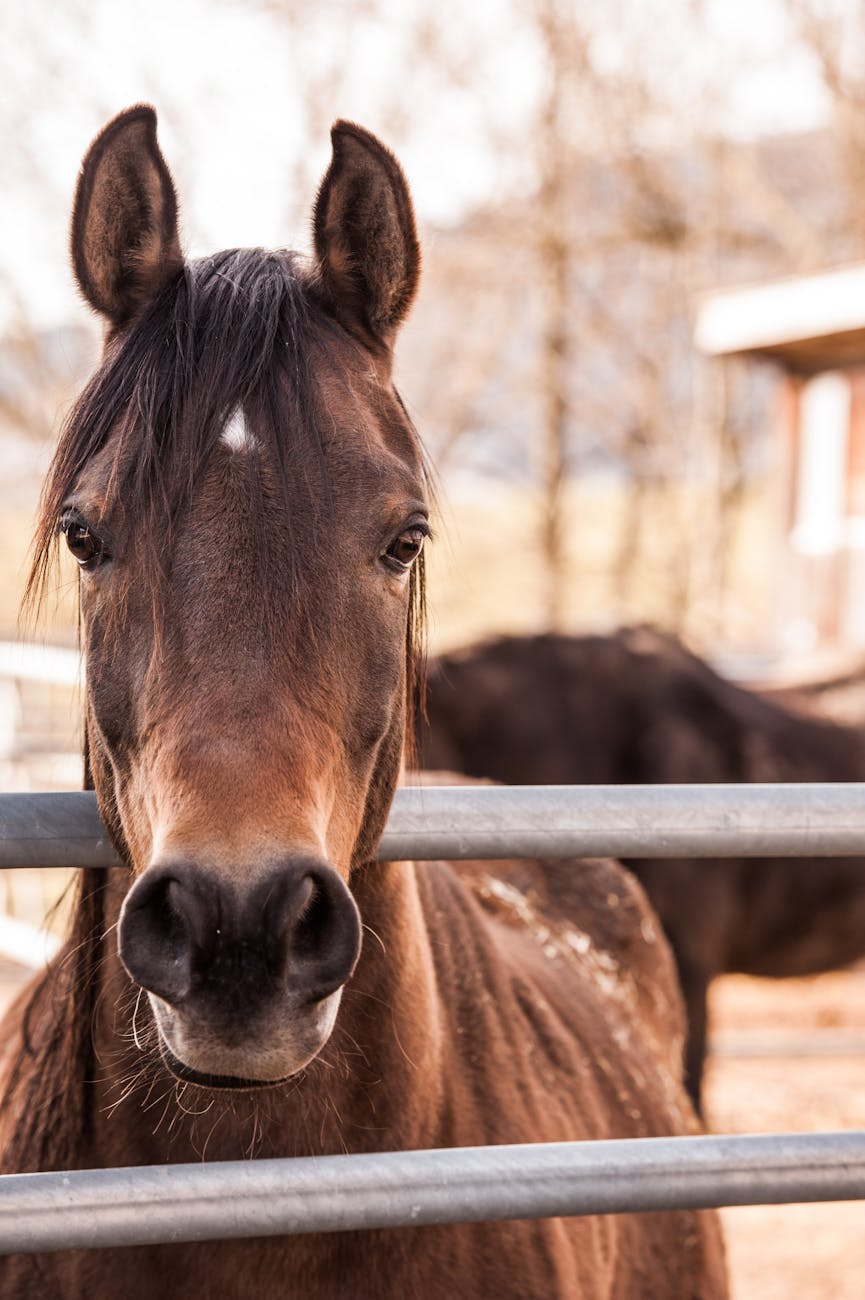
The image is a powerful one: galloping along a windswept beach, your equine partner moving beneath you, a bond of trust and companionship forged in the barn and on the trail. For many, the dream of owning a horse is a lifelong ambition. But the transition from dreamer to owner is a significant leap, one that involves far more than simply buying a beautiful animal. A horse isn’t just a large dog; keeping one is a profound lifestyle change that requires serious consideration.
Before you start scrolling through listings, it’s crucial to understand the reality of equine ownership. This guide will walk you through the essential factors to consider before you bring a horse home.
It’s a Lifestyle, Not Just a Hobby
The single biggest misconception about horse ownership is the time commitment. Unlike a cat or dog that can be left alone for several hours, a horse requires dedicated care every single day, without exception.
Your daily routine will revolve around the horse’s needs. This includes:
- Morning and Evening Feedings: Horses have sensitive digestive systems and thrive on a consistent schedule.
- Mucking Out: Stalls or shelters must be cleaned daily to prevent health issues like thrush (a hoof infection) and respiratory problems from ammonia buildup.
- Turnout: Horses need time to move freely in a pasture or paddock for their physical and mental well-being. This means turning them out and bringing them back in.
- Grooming: Regular grooming is essential for checking for injuries, preventing skin conditions, and building a bond.
- Health Checks: You’ll become an expert at observing your horse’s normal behavior so you can quickly spot signs of distress or illness, such as colic.
This is a 365-day-a-year commitment. Horses don’t take holidays, and they need care whether it’s snowing, raining, or a sweltering summer day.
The Financial Reality: More Than Just the Purchase Price
The initial cost of the horse is often the smallest expense you’ll face. The ongoing, monthly costs are substantial and can easily add up to hundreds, if not thousands, of dollars.
Here’s a breakdown of the major expenses:
- Boarding: If you can’t keep the horse on your own property, you’ll need to pay for boarding at a stable. This can range from basic pasture board to full-care stall board, and it’s typically the largest monthly expense.
- Feed: This includes hay and potentially grains or supplements. A 1,000-pound horse can eat 15-20 pounds of hay per day.
- Farrier Care: Horses’ hooves grow continuously and need to be trimmed and, if necessary, shod by a professional farrier every 6-8 weeks.
- Veterinary Care: This includes annual vaccinations, deworming, dental floating (filing sharp points on their teeth), and, most importantly, an emergency fund. An unexpected vet visit for an injury or colic can cost thousands.
- Tack and Equipment: You’ll need a saddle, bridle, blankets, grooming supplies, first-aid kits, and more. Browsing equine marketplaces like horseclicks.com can be a great resource to see what’s available in your area and get a feel for prices for both horses and the necessary equipment.
The Question of Space: Boarding vs. At-Home Care
Where will your horse live? You generally have two options.
Keeping a horse at home offers convenience and control but requires significant infrastructure. You’ll need several acres of safe, well-maintained pasture with secure fencing (barbed wire is a major hazard). You also need a sturdy, safe shelter or barn for protection from the elements, as well as dry storage for hay and feed.
Boarding at a professional stable is the more common option. It relieves you of daily chores like mucking and feeding (in a full-care facility) and provides access to amenities like arenas and trails. It also offers a community of fellow horse owners, which can be an invaluable source of support and knowledge.
The Learning Curve: You’re a Lifelong Student
You cannot learn to care for a horse from a book alone. Before you buy, it’s highly recommended that you take riding lessons and, if possible, lease a horse for several months. Leasing allows you to experience the time and financial commitment of a horse without the long-term responsibility of ownership.
Understanding horse behavior, basic first aid, and proper handling is not optional—it’s essential for your safety and the horse’s welfare. You will always be learning, whether it’s about new training techniques, nutrition, or veterinary advances.
Finding Your Perfect Partner: It’s All About the Match
When you’re finally ready to look for a horse, it’s tempting to choose the most beautiful one. This is a mistake. For a first-time owner, temperament and training are far more important than color or breed. You want a safe, reliable, and “bombproof” horse that can help you build confidence.
Work with an experienced trainer or instructor to help you evaluate potential horses. When you find a promising candidate, always arrange for a pre-purchase veterinary exam (PPE). This is a thorough check-up by a vet to identify any pre-existing conditions that could affect the horse’s health or soundness down the line.
Bringing a horse into your life is an incredibly rewarding journey. The bond you can form is unlike any other. But it’s a decision that must be made with your head as much as your heart. By being realistic about the commitment, you set yourself—and your future horse—up for a happy, healthy, and lasting partnership.




Leave a Reply