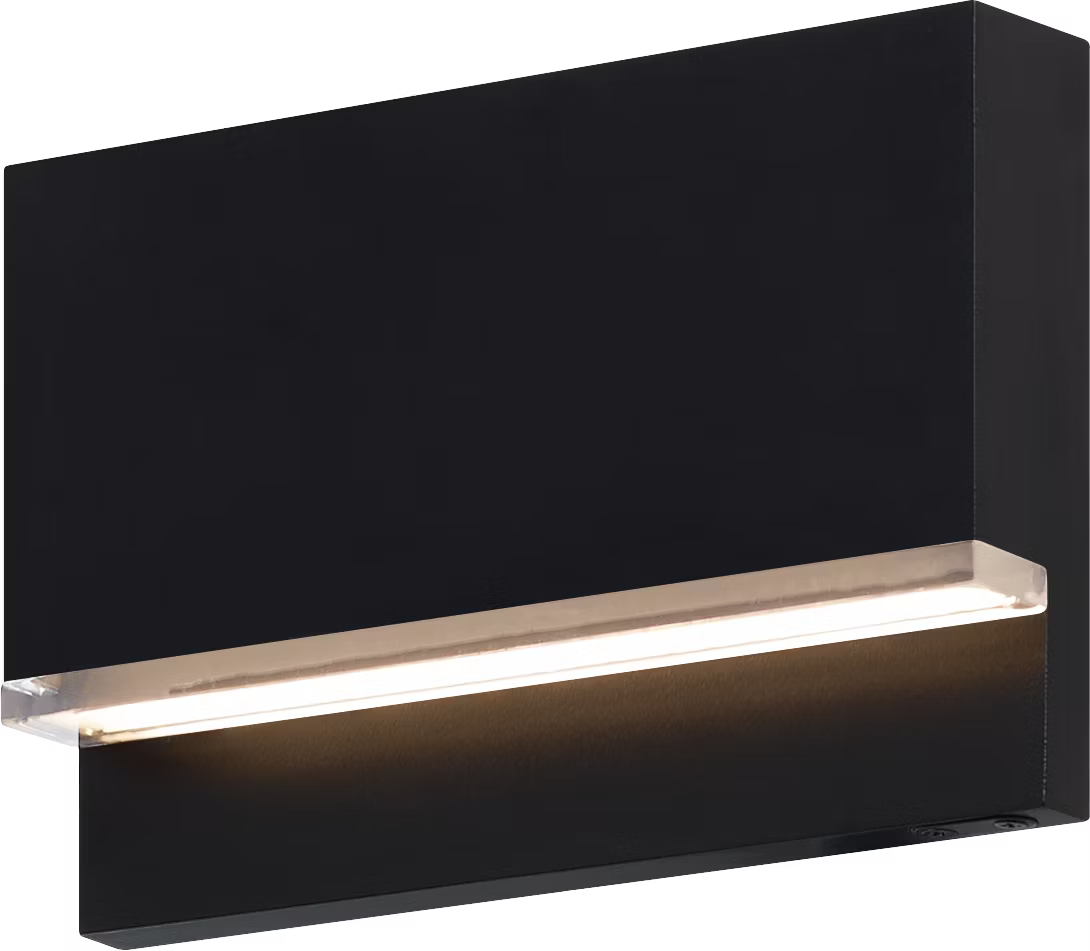
Ever tried walking down a dark staircase and felt unsure of your next step? Poorly lit stairs are not just inconvenient; they can be dangerous. Step lighting adds more than just beauty; it provides safety, comfort, and elegance in both residential and commercial spaces. The right lighting can completely transform how your stairs look and feel, day or night.
Across homes and offices, stair lights are becoming a must-have feature. They improve visibility, reduce accidents, and enhance aesthetics at the same time. Modern designs blend function with style, giving any staircase a polished, high-end appearance. With careful planning and proper installation, step lighting can add charm and safety that lasts for years.
Purpose Behind Installing Step Lights
The main reason people choose step lighting is safety. Stairs are one of the most common areas where falls occur, especially in dimly lit environments. Well-placed lights eliminate shadows and make each step clear and visible.
Apart from safety, step lighting elevates the ambiance of your space. It adds a touch of sophistication and highlights architectural details. For indoor hallways or outdoor decks, step lights serve a dual purpose, preventing mishaps while enhancing visual appeal.
Types of Step Lights Available
Step lights come in various styles to match different interiors and exteriors. Recessed lights fit seamlessly into the wall or step surface, creating a sleek, modern finish. Surface-mounted models are ideal for easier installation and provide excellent illumination for wide staircases.
LED strip lights are another popular choice. They line the edge of each step, offering continuous, soft lighting. Solar-powered options work best for outdoor settings, saving energy while maintaining brightness. The wide variety ensures every homeowner finds a lighting option suited to their needs.
Ideal Placement for Maximum Effect
Position plays a key role in how effectively step lights work. Lights installed along the vertical risers or side walls provide balanced illumination and reduce shadows. This placement highlights each step clearly without creating harsh glare. Evenly spaced fixtures maintain visual harmony while ensuring safety and visibility across the entire staircase. Experts recommend spacing lights evenly to maintain balance and uniformity.
For outdoor stairways, placing lights at lower angles helps guide movement safely without affecting night vision. Indoor spaces, such as basements or hallways, benefit from recessed or wall-mounted fixtures that blend with décor. The right placement keeps stairs well-lit while complementing the surrounding design.
Power and Wiring Considerations
Before installation, understanding your power setup is crucial. Low-voltage systems are the most common choice because they are safe, energy-efficient, and easy to manage. Electricians often use transformers to convert high voltage into low voltage suitable for step lighting.
For wired systems, cables are neatly routed behind walls or beneath stair surfaces to maintain a clean appearance. In contrast, wireless or battery-powered lights offer flexibility and easier installation. Selecting the right power setup depends on your space, layout, and long-term maintenance plans.
Tools and Preparation Before Installation
Preparation is the foundation of a successful installation. Gather essential tools such as a drill, measuring tape, screwdriver, and level. Always turn off the power supply before working on electrical connections to ensure safety.
Next, mark exact spots for each light fixture. Consistent spacing keeps the lighting uniform. Professionals recommend checking wiring routes and outlet positions ahead of time. Proper planning saves time, prevents mistakes, and guarantees precise alignment during installation.
Step-by-Step Installation Process
- Measure and mark each position for the light fixtures.
- Drill holes or cut spaces according to the fixture type.
- Connect the wires from the power source to the light terminals carefully.
- Secure fixtures in place and test connections for stability.
- Restore power and test the lights for brightness and coverage.
Each step ensures that the lighting system functions safely and efficiently. For those unsure about electrical work, hiring a licensed professional is always the best approach.
Maintenance and Longevity
Regular upkeep helps step lighting last longer. Dust and debris can reduce brightness, so clean the fixtures periodically with a soft, dry cloth. Check wiring connections at least once a year to ensure everything remains secure.
LED step lights, in particular, require minimal maintenance due to their energy efficiency and long lifespan. When properly installed and cared for, these lights can function for years without replacement. Routine checks keep your stairs both safe and visually appealing.
Important Factors to Remember Before Installation
Before starting your lighting project, remember to:
- Choose fixtures suitable for your environment (indoor or outdoor).
- Measure spacing accurately to achieve balanced illumination.
- Use low-voltage power systems for energy savings.
- Consider weatherproof designs for exterior installations.
- Hire professionals if the electrical work seems complex.
These steps help ensure that your staircase lighting is both safe and visually cohesive.
Step lighting combines style, safety, and functionality in one smart upgrade. It enhances visibility and adds warmth and dimension to your space. With proper selection, installation, and care, stair lights create a welcoming atmosphere while minimizing risks.
Professionally installed step lighting elevates your property’s value and provides comfort every time you walk up or down. From sleek indoor designs to durable outdoor options, well-planned stair illumination makes your space safer, brighter, and far more inviting.



Leave a Reply