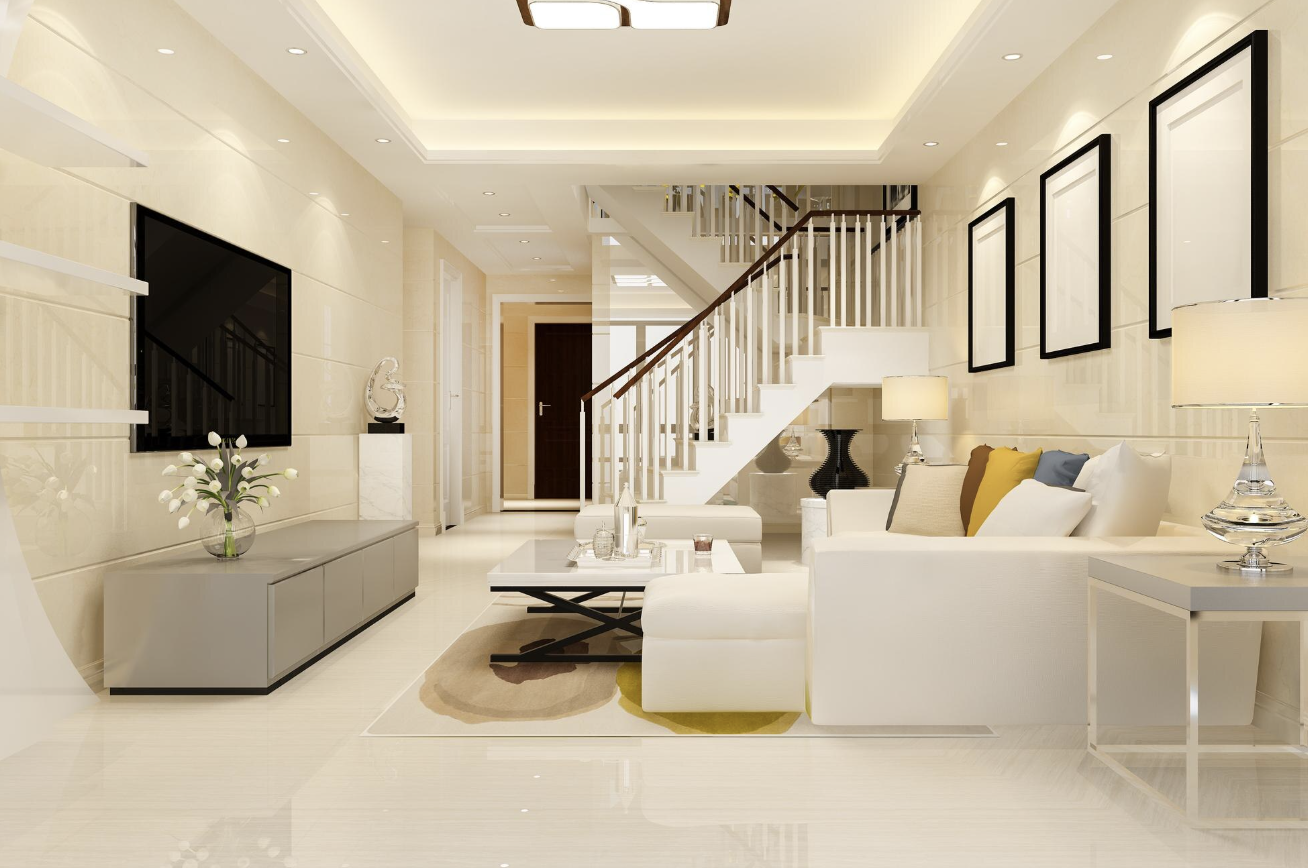
Smart homeowners are choosing classic upgrades that never go out of style instead of chasing temporary trends.
Loveland, CO — When the Peterson family decided to remodel their kitchen last year, they faced a common dilemma. Should they follow the latest design trends they saw on home improvement shows, or should they choose something more traditional that would last?
They chose wisely. Instead of installing the trendy open shelving and bold colored cabinets popular on social media, they selected classic white shaker cabinets and natural stone countertops. One year later, their kitchen still looks fresh and current, while some of their neighbors who picked trendier styles are already feeling outdated.
This same decision faces thousands of homeowners every year as they plan remodeling projects. The home improvement industry is worth over $450 billion annually in the United States, and much of that money goes toward upgrades that will look dated within just a few years.
Experts including designers and builders like Remodeling Contractors Loveland CO advise clients to think carefully about which features truly stand the test of time. The difference between a timeless choice and a passing fad can mean thousands of dollars in future resale value.
Why Some Designs Last Forever
Interior designers and architects have studied why certain styles remain appealing across generations while others quickly feel outdated. The answer comes down to a few key principles.
First, timeless designs tend to be simple. They avoid complicated patterns, unusual shapes, or excessive decoration. A plain white subway tile will look good in 2025, 2035, and probably 2045. A tile with a complex geometric pattern in this year’s trendy color might look tired by 2027.
Second, classic choices use natural materials. Wood, stone, and metal have been building materials for thousands of years. Our brains seem programmed to find them beautiful. Synthetic materials and plastic finishes often look dated quickly because they remind us of the specific era when they were made.
Third, traditional proportions and layouts work better than experimental designs. Kitchens with the stove, sink, and refrigerator in a sensible triangle arrangement function well and feel right. Bathrooms with the toilet in a private area away from the sink feel comfortable. These practical arrangements never go out of style because they simply work better for daily life.
Kitchen Upgrades That Keep Their Value
The kitchen is where most homeowners spend the biggest portion of their remodeling budget. Fortunately, several kitchen choices have proven their staying power over many decades.
White or light wood cabinets remain the safest choice. Real estate data shows that kitchens with white cabinets sell faster and for more money than kitchens with dark or colorful cabinets. Light cabinets make spaces feel bigger and cleaner. They also match any decorating style a future owner might prefer. Wood cabinets in natural oak, maple, or walnut tones also hold their value well because wood never truly goes out of style.
Stone countertops are worth the investment. Granite, marble, and quartzite have been valuable building materials since ancient times. While quartz (an engineered stone) is newer, it has already proven its lasting appeal over the past twenty years. These materials cost more than laminate, but they add significant resale value and typically last the lifetime of the home. Marble can stain and needs more care, but its classic beauty has appealed to homeowners for centuries.
Subway tile backsplashes are the definition of timeless. These simple rectangular tiles have been used in American homes since the early 1900s. They were in kitchens one hundred years ago, and they still look perfect in modern kitchens today. Their clean lines and simple shape mean they never look dated.
Hardwood or tile floors outlast trends. Kitchen floors take heavy wear from foot traffic, spills, and dropped items. Solid materials like hardwood, ceramic tile, or natural stone can be refinished or cleaned to look new again. Vinyl and laminate floors, even expensive ones, need complete replacement when they wear out or go out of style.
Bathroom Features That Never Age
Bathrooms are expensive to remodel because of all the plumbing work involved. Making choices that last becomes even more important when replacement costs run so high.
White fixtures stay current forever. Colored toilets, sinks, and tubs have come in and out of fashion several times. Avocado green and harvest gold bathrooms from the 1970s look silly today. Pink and blue bathrooms from the 1950s seem outdated. But white bathrooms from any decade still look clean and fresh. White fixtures also make a bathroom feel larger and brighter.
Subway tile works as well in bathrooms as in kitchens. The same simple rectangular tiles that make timeless kitchen backsplashes also create beautiful, lasting bathroom walls. Whether arranged in traditional running bond or classic stacked patterns, subway tile remains elegant decade after decade.
Pedestal sinks have been popular since Victorian times. These simple sinks take up less visual space than vanities, making small bathrooms feel more open. Their classic shape looks appropriate in homes of any age or style.
Separate tub and shower layouts add flexibility. While combination tub and shower units save space, having both a standalone shower and a separate bathtub gives homeowners more options. Families with young children need tubs for bath time. People who prefer quick showers appreciate a dedicated shower space. This flexibility appeals to more buyers when it comes time to sell.
Living Space Improvements Worth Making
Beyond kitchens and bathrooms, several other home improvements have proven their lasting value.
Hardwood floors are the most desired flooring type. Survey after survey shows that home buyers prefer hardwood floors over any other option. Oak, maple, and walnut floors can last over one hundred years if properly maintained. They can be sanded and refinished multiple times, meaning they can change color to match new decorating styles without being replaced.
Built in shelving adds function and value. Custom bookcases, window seats with storage, and built in cabinets make homes more useful without taking up floor space. These features look like part of the original house rather than added furniture. Quality built ins increase home values and appeal to buyers looking for character and storage.
Crown molding and trim add elegance. Simple crown molding where walls meet ceilings and baseboards where walls meet floors give rooms a finished, quality appearance. These traditional details have been used in fine homes for hundreds of years. Even modern homes benefit from clean, simple trim that defines spaces and adds subtle decoration.
Neutral wall colors create blank canvases. While wall color can change easily with new paint, choosing neutral tones during a remodel makes the space appealing to more people. Soft grays, warm whites, and gentle beiges let furniture and personal items stand out. They also photograph well for future home listings.
What to Avoid
Understanding what not to do matters as much as knowing what works.
Skip the themed rooms. A bathroom decorated entirely around a beach theme or a kitchen designed to look like a French farmhouse might seem charming initially, but these specific themes limit future decorating options. They also look dated once the trend passes.

Avoid unusual tile shapes and patterns. Hexagon tiles, fish scale tiles, and complex mosaic patterns come in and out of fashion. When they are out of fashion, they make a home look outdated. Simple squares, rectangles, and subway tiles stay current.
Stay away from trendy colors. Each year, paint companies announce a color of the year. These trendy shades get used in thousands of homes, then quickly start feeling overused and dated. Classic neutrals never have this problem.
Skip the open concept if your home layout does not naturally support it. Removing walls to create open floor plans became very trendy, but many homeowners are now adding walls back. Defined rooms give privacy, reduce noise, and provide wall space for furniture. If your home works well with separate rooms, keep them.
Avoid cheap materials that imitate expensive ones. Laminate made to look like wood or tile that pretends to be marble fools no one. These synthetic materials wear poorly and look dated quickly. If the budget is limited, choose simple, honest materials rather than imitations of luxury finishes.
The Money Question
Every remodeling project requires balancing dreams against budgets. Understanding which projects return their costs helps with these decisions.
According to Remodeling Magazine’s annual Cost vs Value Report, minor kitchen remodels recover about 85 percent of their cost when a home sells. Major kitchen remodels recover closer to 55 percent. This suggests that modest, sensible updates make more financial sense than luxury overhauls.
Bathroom remodels typically recover 60 to 70 percent of their cost. Adding a bathroom where none existed before can recover even more because it adds function the home previously lacked.
Replacing old windows with new energy efficient models recovers about 70 percent of the cost. New windows also reduce energy bills, adding ongoing value beyond just the resale boost.
New flooring recovers 50 to 80 percent of costs depending on the material. Hardwood performs at the higher end of this range, while carpet and vinyl fall lower.
Planning for the Long Term
The best remodeling advice comes down to one simple principle. Think about whether you will still like your choices in ten or twenty years.
Before committing to a design, look at homes built decades ago that still seem beautiful today. Notice what they have in common. Usually it is quality materials, simple designs, and practical layouts.
Talk to real estate agents about what buyers in your area want. While you should make your home comfortable for yourself, keeping future resale in mind protects your investment.
Consider hiring a professional designer for major projects. Their experience helps avoid costly mistakes. They have seen trends come and go and can steer clients toward choices with proven staying power.
Remember that remodeling should improve your daily life while protecting your financial investment. The sweet spot lies in creating spaces that feel personal and comfortable while using classic materials and layouts that will appeal to future buyers. When done thoughtfully, a remodeled home can look current and beautiful for decades to come.




Leave a Reply