Technology is all over the modern city, which is getting more and more intelligent. Technology is around us, starting from traffic sensors to smart homes. Although these improvements in technology help to ease our lives, they also introduce fresh issues concerning one’s privacy. It is a risk every time you decide to use the public Wi-Fi, pay using your card, or simply post some pictures on the internet. Privacy protection is not a luxury, but a must-have. Be aware of the dangers and take measures proactively to ensure a secure and pleasant experience in the city.
Smart Habits for Urban Privacy
- Having passwords that are not weak and changing them often is essential. It is not good to use one password for everything.
- Using two-factor authentication is a good idea because it makes you more secure.
- Be careful not to give away too many things about yourself online, like where you are always going or things that only you should know about you.
- It is better to be safe than sorry, so even though it’s convenient, avoid accessing bank or email accounts on public Wi-Fi. If you can’t avoid it, then make sure to use VPNs for encryption.
- Make sure you constantly update your software. Sometimes developers add extra security features to new versions of their programs, and when you don’t update, you’re missing out on those improvements.
Online Threats and How to Defend Yourself
Living in a high-tech city means constant exposure to digital threats. Hackers, malware, and phishing scams are everywhere. People often underestimate the ease with which personal data can be stolen. Learning ways to get rid of harmful software is a crucial part of digital safety. Today, antivirus programs, secure browsers, and regular system updates help reduce risks. However, knowing only tools is not enough. It is equally important to understand how attacks happen. For example, malicious links in emails or fake apps can quietly steal your information. Being cautious and informed is your first line of defense.
Securing Your Devices
Hackers can easily access your personal information with the help of these gadgets, gathering information from smartphones, laptops, and smart home devices. In most cases, weaknesses in these devices are exploited by hackers. Nevertheless, there are some easy ways of dealing with this issue, like putting on security applications, keeping an updated firmware, and turning on device encryption. Additionally, it is essential to avoid downloading apps from unofficial stores. This is because even the most innocent-looking program could turn out to be a Trojan that threatens your privacy. Remember that in order to keep your privacy at home or in society at large, you must have a secure device.
Understanding Public Surveillance
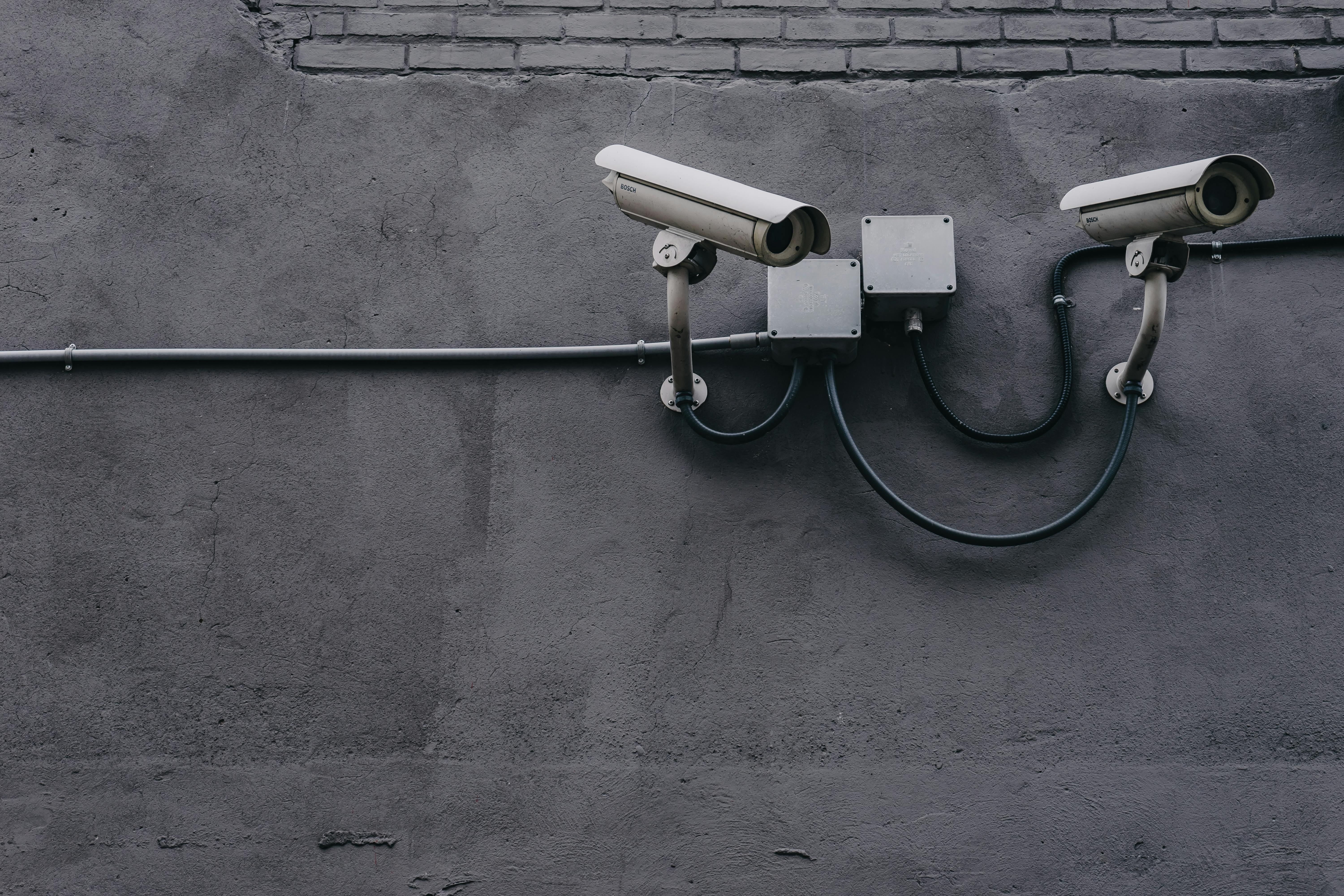
Surveillance equipment, such as cameras, sensors, and tracking devices, is essential in ensuring that such technologically advanced cities are safe and operate at their optimum level. Despite its advantages, this equipment also captures vast amounts of private information. This is where awareness comes in handy. Be aware of the applications asking for location and camera access. Allow only necessary privileges. A mere act of turning off location services when one does not need them can significantly decrease the size of the digital footprints. Therefore, one should be careful about sharing so that they can make use of technology and not vice versa.
Safe Online Practices for Urban Residents
- Use privacy-focused browsers and search engines.
- Regularly clear cookies and cache to minimize tracking.
- Encrypt sensitive communications with apps that support end-to-end encryption.
- Verify app and website authenticity before entering personal information.
These small steps accumulate into strong protection over time. Urban life doesn’t have to mean sacrificing your privacy.
Managing Your Digital Footprint
In highly technologized urban areas, one must be vigilant with regard to one’s cyber activities. It is essential to carry out regular checks on your internet accounts and delete any information that is irrelevant. One can also modify the settings of the social media accounts to ensure that only a few individuals can access their personal information. One may also use fake names or different email addresses for less important accounts. By being cautious about your internet postings, it is possible to increase the level of difficulty for others trying to discover information about you without your knowledge.
Stay Vigilant, Stay Safe
Although it is easy to live in smart cities, being responsible and safe in cyberspace is essential for everyone. There are three key steps users can take to keep their information private: understand what threats exist to their data, take steps to protect it, and ensure that only authorized individuals can access it. Once a person knows how data is collected, how to prevent it from happening, and how to enhance device security, then there will be no worries about privacy when living in any city. We need to embrace technology for what it is, instead of seeing it as something inherently bad. If we understand what can go wrong, we can take action to prevent it from happening. By staying informed about the latest threats and learning how to protect ourselves from them, we can feel more secure.


11%




Leave a Reply