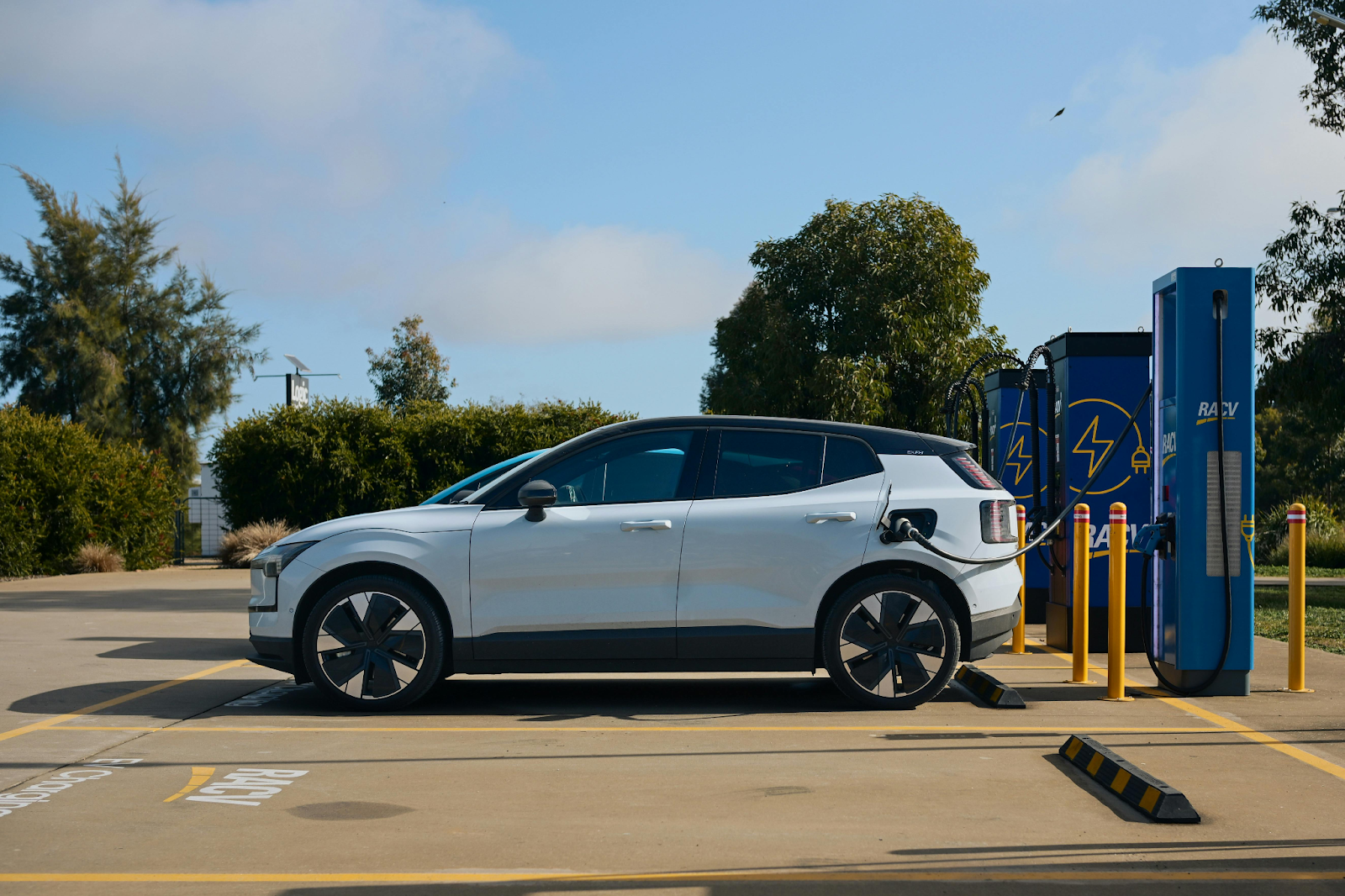
An EV, crashing from a design view, is much different from a gas-guzzling car. What matters usually are different high voltage systems, heavy battery packs, and advanced software on any of the days after a crash. Being able to manage proper actions can enhance safety, evidence retention, and reduce long-term costs. It helps to avoid falling into those traps often overlooked by repair shops and insurers with EVs. Here are some steps to take when involved in a crash with an electric vehicle.
Safety First with EV Orientation
First, check for injuries and move elsewhere safely if possible. Remember, electric vehicle high-voltage components, and on occasions, one may see some sparks, smoke, or a burning smell, and warning lights are often on the dashboard. This is the time to call emergency services.
Never touch exposed cables or try roadside repairs because the power systems of an EV differ from those of ordinary vehicles. If it is safe to do so, switch off the vehicle and follow the manufacturer’s post-collision shutdown. The emergency responders need to know that the vehicle is an electric vehicle because they will use different disposal procedures.
Evaluate Legal Distinction and Questions of Liability
Electric vehicle accidents create tricky questions around product design, software behavior, and shared fault. Where injuries arise or liability is contested, legal analysis will help you ascertain your options or safeguard your interests. Law firms specializing in vehicle accidents, such as the Dimopoulos law firm, can investigate whether advanced vehicle data or manufacturer responsibilities present themselves.
Avoid being rushed into a settlement before you know the nature of all your damages and possible long-term impact. Issues like medical issues, loss of vehicle value, and battery problems can arise later. Approach this from the long view, which will ultimately ensure your recovery and compensation account for the realities of modern eclectic vehicles.
Evacuate the Crash Scene and Photograph It
In addition to photographs taken to show visible damage, it’s good practice to record warning messages, battery status screens, and alerts reflected on the infotainment display. Most importantly, many EVs collect and store crash and performance data valuable in an insurance or liability evaluation. Take screenshots or pictures before shutting down or towing it.
If the car is still drivable, any alterations made to range estimates or charging behavior post-crash need be documented. Such subtle alterations indicate internal damage that might not have come to light during a cursory overview. Keeping a simple timeline of events and system alerts would only bolster your claim.
Consider Battery and Fire Risk Post-Crash
After the crash, battery safety may remain an issue for days or hours. Ask whether the vehicle should be kept away from buildings until the battery is assessed. Some manufacturers and insurance firms recommend quarantine durations for compromised EVs.
Do not charge the vehicle until inspected by a factory-authorized EV technician. Charging a damaged battery can trigger potential thermal events and void the warranty. A diagnostic scan and physical assessment will be necessary before returning the car to regular use.
Endnote
After an electric vehicle crash, an informed choice contributed to securing safety, repair quality, and even untold other effects in the long run. Awareness concerning the specific EV risks, leaning on the physical and digital evidence, and seeking expert assistance may spare you the chance of missing damages or complications down the line. Following these steps can boost your understanding in dealing with the aftermath of a car accident.


Leave a Reply