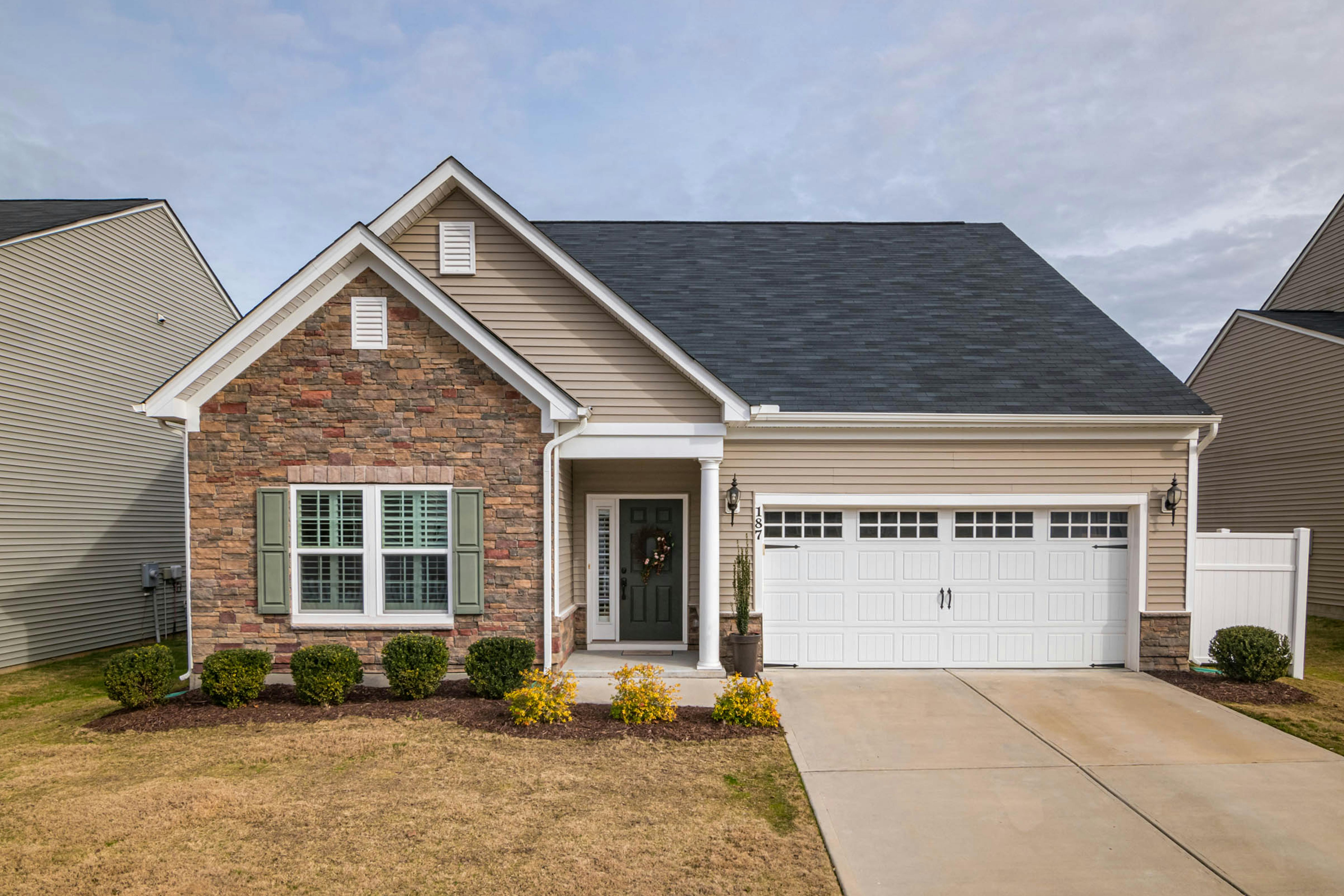
Residential living has changed dramatically in recent years. It’s no longer defined only by the support it provides, but by the quality of life it creates. Today, residential communities are designed to help people live fully, maintain independence, and enjoy meaningful experiences every day. Care is still central, but lifestyle now sits at the heart of everything.
Here are the key ways that residential living is evolving into a lifestyle-focused experience.
- Personal choice is being prioritized
Residents now have greater freedom to make everyday decisions, from what they eat to how they spend their time. Choice reinforces independence and dignity. Whether it’s meal options, room décor, or activity schedules, having a say in daily life helps residents feel in control and valued.
- Living spaces feel like real homes
Modern residential environments are moving away from clinical designs. Instead, they focus on warmth, comfort, and individuality. Soft furnishings, personalized rooms, and inviting communal areas create spaces that feel like home, not institutions.
- Food is treated as an experience, not just nutrition
Dining has become a central part of lifestyle. Menus now focus on enjoyment, variety, and personal preference, not just dietary needs. Mealtimes are social occasions that encourage connection and bring residents together in a relaxed environment.
- Social connection is actively encouraged
Loneliness is recognized as a major wellbeing issue, so residential living now places strong emphasis on community. Group activities, shared meals, and social events help residents build friendships and feel part of something meaningful.
- Activities reflect real interests and passions
Instead of generic entertainment, many communities offer activities that reflect residents’ hobbies and interests. From gardening and art to music and local outings, lifestyle-based programming helps people stay engaged with what they love.
- Emotional wellbeing is given equal importance
Care is no longer only about physical health. Emotional wellbeing, confidence, and purpose are now central goals. Residential living supports mental and emotional health through companionship, meaningful routines, and personalized care.
- Independence is supported, not removed
Support systems are designed to enhance independence rather than replace it. Assistance is provided only where needed, allowing residents to maintain as much control over their daily lives as possible.
- Families are welcomed as part of the community
Residential living increasingly embraces family involvement. Shared meals, visits, celebrations, and open communication strengthen the connection between residents and their loved ones, making care feel collaborative rather than distant.
- Environments are designed for comfort and dignity
Everything from lighting and furniture to dining layouts and outdoor spaces is designed to enhance comfort. When surroundings are calm and welcoming, residents feel more relaxed and respected.
- Care is personalized, not standardized
Lifestyle-focused residential living recognizes that no two people are the same. Personal routines, preferences, and histories shape how care is delivered. This personalization makes residents feel seen as individuals, not just recipients of support.
- Community identity is celebrated
Many residential communities create a strong sense of identity through shared traditions, celebrations, and local connections. This builds belonging and pride in where residents live.
- Support is integrated into daily living
Care is woven naturally into daily routines rather than dominating them. This allows life to feel normal and fulfilling while still ensuring safety and wellbeing.
- Choice of residential care reflects lifestyle values
Families now choose care settings based on atmosphere, values, and quality of life, not only medical support. A focus on community, dignity, and independence is increasingly important.
Residential living that reflects these values can be seen in thoughtfully designed environments such as residential care homes in Dorcester, where care is balanced with lifestyle, individuality, and emotional wellbeing.
Residential living today is no longer about simply meeting needs; it’s about creating spaces where people can continue to live with purpose, comfort, and joy. By focusing on lifestyle as much as support, these communities are redefining what it truly means to live well in later life.



Leave a Reply