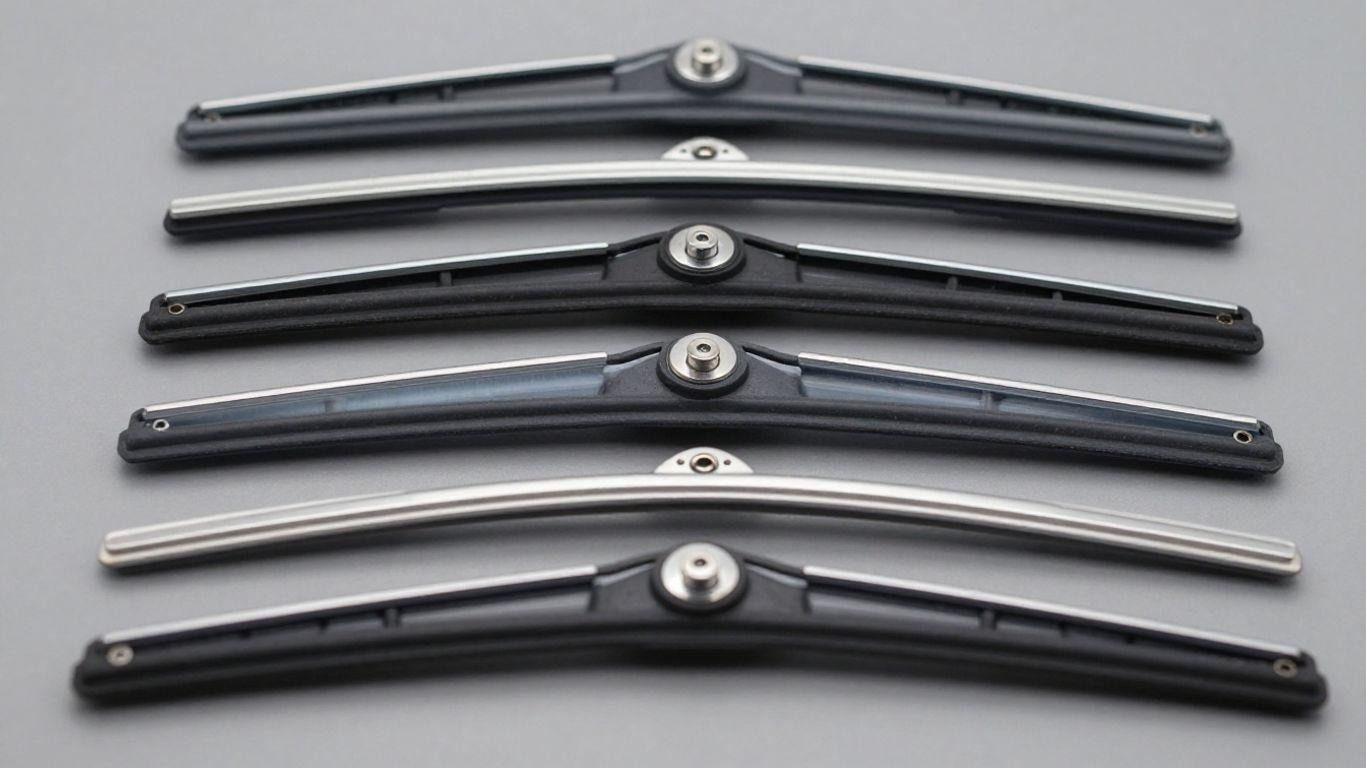
Conventional Blades
These are the wipers you probably see most often. They have a metal frame that holds the rubber blade. This frame helps spread out the pressure along the windshield. They’re usually pretty cheap and easy to put on. However, because the frame is a bit stiff, they don’t always make perfect contact with every curve of your windshield. This can mean they miss a few spots, especially on newer cars with more curved glass. You’ll find these on older vehicles more often than not.
Beam Blades
Beam blades are the newer style. They don’t have that old metal frame. Instead, they’re made from a single piece of rubber that’s curved to match your windshield. This design means they can apply even pressure all along the glass, giving you a cleaner wipe. They tend to be a bit pricier than conventional blades, but many people find they last longer and work better, especially in bad weather. They’re also less likely to get clogged with ice and snow because there’s no frame to freeze up.
Hybrid Blades
Hybrid blades try to give you the best of both worlds. They have a frame like the conventional ones, but it’s covered with a special rubber shell. This shell helps them hug the windshield better, similar to beam blades. They offer good all-weather performance and look pretty sleek. They usually cost somewhere between conventional and beam blades, making them a good middle-ground option if you want better performance without breaking the bank. Choosing the right wiper blade type really depends on your car and what you need them to do.
When to Replace Your Wiper Blades
Signs of Wear and Tear
It’s easy to forget about your wiper blades until they stop working right. But keeping an eye on them can save you trouble later. Wiper blades need replacing when they start showing obvious signs of wear. Look for cracks, tears, or any warping in the rubber. If the frame itself looks bent or damaged, that’s another clear indicator. These physical issues mean the blade can’t make proper contact with the windshield anymore.
Another thing to watch for is how the blades look after they’ve been used. If you notice the rubber is peeling away from the frame or if there are any visible gaps, it’s probably time for a new set. Don’t wait until the weather gets bad to find out your wipers are shot. Checking them regularly is a good habit.
Sometimes, you might see a yellow or colored indicator on the blade itself. Some manufacturers include these to show how much the blade has degraded due to sun exposure. While not always an immediate need for replacement, it’s a helpful visual cue. Think of it as an early warning system for your wiper blades.
Performance Indicators
Beyond just looking worn out, your wiper blades will tell you when they’re failing through their performance. The most common sign is streaking. If your wipers leave behind lines, smudges, or blurry spots on the windshield, the rubber is likely worn down or has lost its flexibility. This makes it hard to see clearly, especially in heavy rain.
Listen closely when you use your wipers. Are they making a chattering, squeaking, or screeching noise? This usually means the blades aren’t gliding smoothly across the glass. They might be skipping or bouncing, which is a sign they’ve lost their pliability or aren’t making even contact. This kind of noise is a definite performance indicator that replacement is due.
Ultimately, the main job of wiper blades is to clear your windshield effectively. If you find yourself struggling to see during rain or snow, even with the wipers on, they aren’t doing their job. Reduced visibility is a serious safety concern. If your wipers aren’t clearing water efficiently, it’s time to consider new ones. Replacing your wiper blades is a simple fix for a big safety issue.
Determining the Correct Wiper Blade Size
Consult Your Vehicle’s Manual
Figuring out the right wiper blade size for your car doesn’t have to be a headache. Your vehicle’s owner’s manual is a great starting point. It often lists the specific sizes for both the driver and passenger side blades. This is usually the most accurate way to get the correct wiper blade size, especially for newer models. Don’t skip this step if you want to avoid buying the wrong size.
Utilize Online Fit Guides
If you can’t find your manual or prefer a digital approach, online fit guides are super handy. Most auto parts websites have a tool where you just enter your car’s year, make, and model. In seconds, it’ll show you the exact wiper blade sizes you need. This method is quick and takes the guesswork out of finding the right fit. It’s a common way people find their wiper blade size.
Measure Existing Blades
Sometimes, the best way is to just measure what you’ve got. Grab a tape measure and carefully measure the length of your current wiper blades. Make sure you’re only measuring the rubber part, not the metal arm it’s attached to. It’s important to measure both the driver’s side and the passenger’s side blades separately, as they are often different lengths. This direct measurement is a reliable way to determine the correct wiper blade size.
Getting the right size is key. Blades that are too short won’t clear your whole windshield, and ones that are too long can hit each other, causing damage and poor performance. Always double-check the size before you buy.
Here’s a quick rundown:
- Driver’s Side Blade: Usually the longer of the two front blades.
- Passenger’s Side Blade: Typically shorter than the driver’s side blade.
- Rear Blade (if applicable): Many SUVs and hatchbacks have a rear wiper; check its size too.
Knowing the correct wiper blade size ensures optimal performance and prevents potential damage to your vehicle’s windshield and wiper system.
Key Features of Premium Wiper Blades

Material Composition: Rubber vs. Silicone
When looking at premium wiper blades, the material they’re made from is a big deal. Most blades use rubber, which is fine for everyday use. But if you want something that lasts longer and handles tough weather better, silicone is often the way to go. Silicone blades can last up to twice as long as rubber ones. They’re also less likely to get stiff or sticky in extreme heat or cold, making them a solid choice for areas with harsh winters or hot summers. The choice between rubber and silicone often comes down to balancing cost with longevity and performance in varied climates.
Aerodynamic Designs
Premium wiper blades often have designs that help them hug the windshield better, especially at higher speeds. This means they push down more evenly, clearing water more effectively without lifting off the glass. Think of it like a spoiler on a car – it uses airflow to stay grounded. This aerodynamic shape helps prevent wind from getting underneath the blade and causing it to skip or lift, which is a common problem with cheaper blades when you’re driving fast. A good aerodynamic design means a cleaner wipe, every time.
Water Repellency Technologies
Some high-end wiper blades come with special coatings that actually repel water. These coatings can make water bead up and roll right off the windshield, sometimes even without you needing to turn the wipers on. This is especially handy during light rain or when you first start driving. It improves visibility right away. While these technologies can add to the cost, they offer a noticeable improvement in how well the blades clear water and keep your view unobstructed. This water repellency is a standout feature for many premium options.
Installation and Maintenance Tips
Ease of Installation
Swapping out old wiper blades for new ones is a straightforward task that most vehicle owners can handle themselves. No special tools are typically required, making it a convenient DIY job. Most wiper blades attach using a simple hook or pin system, and manufacturers often include adapters to ensure compatibility with various wiper arms. Taking a few minutes to correctly install your new wiper blades can save you a trip to the mechanic and ensure clear visibility right away.
Regular Cleaning
Keeping your wiper blades clean is a simple yet effective maintenance practice. Periodically, wipe down the rubber or silicone edge of the blades with a damp cloth or sponge. This removes dirt, debris, and road grime that can accumulate and cause scratching or streaking on your windshield. A clean blade makes better contact with the glass, improving its ability to clear water and maintain a clear view. This simple step can extend the life of your wiper blades.
Seasonal Considerations
Weather plays a big role in how your wiper blades perform and how long they last. In winter, ice and snow can build up on the blades, reducing their effectiveness and potentially causing damage. Consider using winter-specific wiper blades designed to resist freezing and maintain flexibility in cold temperatures. Conversely, harsh summer sun can degrade rubber over time. Storing your vehicle in a shaded area when possible can help protect your wiper blades from excessive UV exposure. Proper maintenance, including cleaning and considering seasonal needs, is key to reliable wiper performance.
Evaluating Wiper Blade Performance
Water Removal Efficiency
When it comes to wiper blades, how well they clear water is the main thing. You want blades that can handle everything from a light drizzle to a full-on downpour without leaving much behind. Testing involves simulating different rain levels and seeing how quickly and completely the blades clear the windshield. Good water removal efficiency means better visibility when you need it most. This is especially important when you’re driving at higher speeds, as the water needs to be pushed away quickly.
Noise and Streaking
Beyond just clearing water, you don’t want your wipers to be annoying. Nobody likes that squeaking or chattering sound they can make, especially when it’s dry or just a light rain. Streaking is another big one – those lines left behind can be just as bad as not wiping at all. We look for blades that glide smoothly and quietly across the glass, leaving a clean, clear path every time. It’s about a quiet, streak-free experience.
Durability and Longevity
How long will these blades last? That’s a big question. We consider how well they hold up over time and with repeated use. This includes checking for signs of wear, like cracking or tearing in the rubber, and how their performance holds up after many cycles. A durable wiper blade means you won’t have to replace them as often, saving you time and money in the long run. Evaluating wiper blade performance isn’t just about the first few uses; it’s about sustained performance.
Wrapping Up Your Wiper Choice
So, picking the right windshield wipers might seem like a small thing, but it really matters for staying safe on the road. Whether you’re dealing with a sudden downpour or just the daily commute, clear visibility is key. Remember to check your owner’s manual or use online tools to find the correct size and attachment type for your car. Keep an eye out for signs that your current wipers are worn out, like streaks or strange noises. Replacing them about once a year, or when they start to fail, is a good habit. With so many options out there, from basic conventional blades to more advanced beam and hybrid styles, there’s a set that fits your needs and your budget. Taking a little time to choose wisely means you’ll be better prepared for whatever the weather throws your way.




Leave a Reply