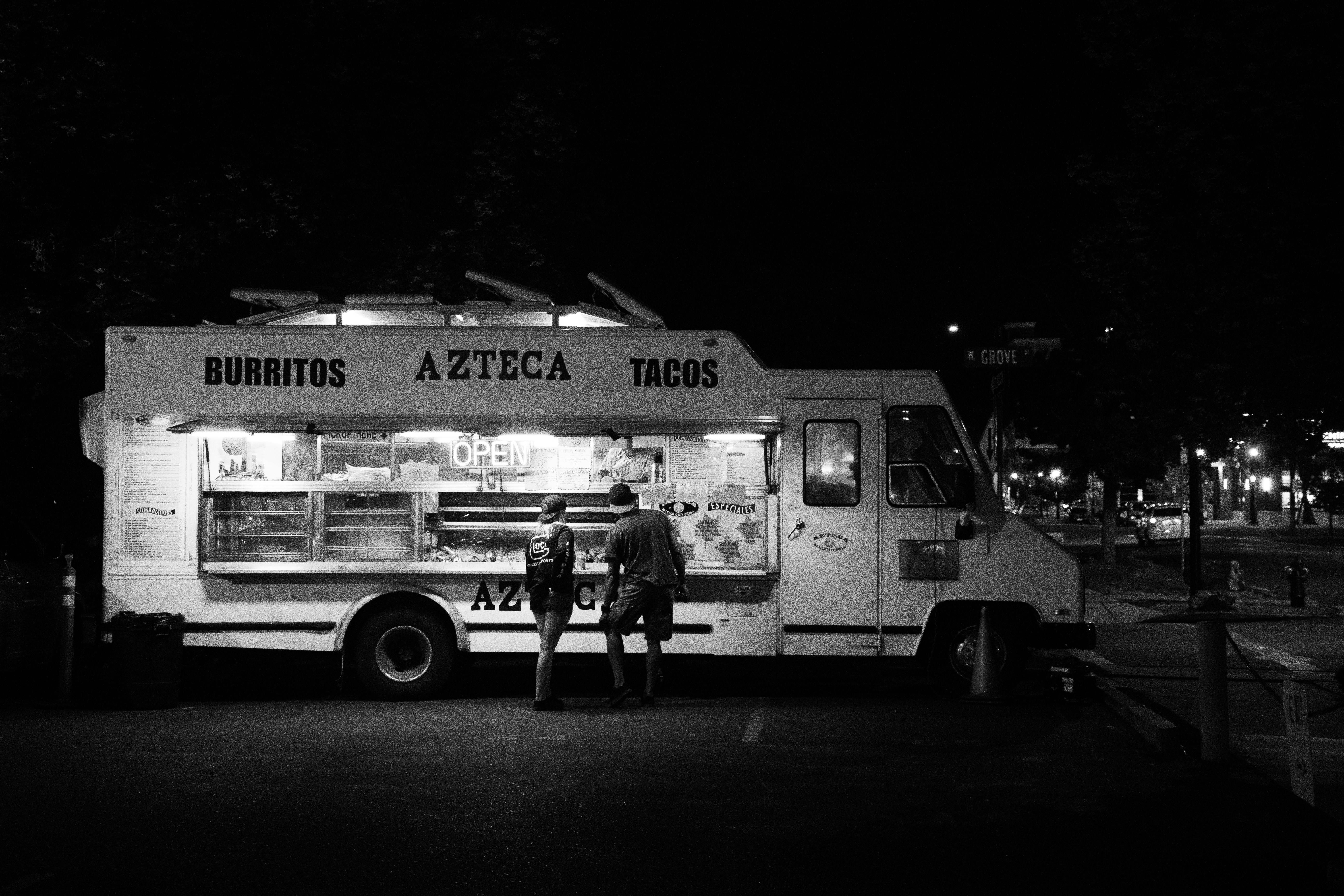
New York City has always been a place where a simple cart can grow into a small empire. Walk through Midtown at noon and the sidewalks become a marketplace of sizzling grills, spinning shawarma, and steaming tortillas. Office workers stream out of buildings, students hurry between classes, and construction crews take their lunch break. Food trucks turn those busy sidewalks into open-air kitchens.
Two types of trucks often appear within a block of each other: a falafel stand serving pita wraps with hummus and tahini, and a taco truck sending the smell of grilled meat into the air. Both dishes come from street-food traditions. Both fit the fast-moving pace of New York. Yet the economics behind them differ more than most people expect.
Choosing which truck to open is not just about cuisine. It involves ingredient costs, preparation speed, equipment needs, customer demand, and the rhythm of the neighborhood. Some trucks thrive during the lunchtime rush near office towers. Others make their money after midnight near bars and music venues.
Falafel and tacos represent two different street-food business models. One leans on low ingredient costs and quick assembly. The other builds its reputation through bold flavors and variety. Looking closely at how these trucks operate in New York reveals which concept may earn more money depending on location, timing, and strategy.
Falafel: A Street Food Built on Low Costs
Falafel arrived in New York through Middle Eastern and Mediterranean communities decades ago. The core ingredients are simple: chickpeas, herbs, garlic, spices, and oil for frying. A standard wrap also includes pita bread, lettuce, tomato, cucumber, hummus, and tahini sauce.
Those ingredients cost relatively little compared with many other street foods. Chickpeas remain one of the most affordable protein sources available. Herbs and vegetables add flavor without driving up costs. Even the sauces rely mostly on sesame paste and lemon juice.
Because the mixture can be prepared in large batches, falafel vendors can keep production moving throughout the day. Many trucks mix and season their chickpea dough early in the morning. During the lunch rush, small balls of the mixture go straight into hot oil, where they fry in minutes.
Speed matters in a city where lunch breaks can last only half an hour. A falafel wrap often takes less than a minute to assemble once the fritters come out of the fryer. A vendor places three or four falafel balls into a pita, adds vegetables, pours sauce, and wraps the sandwich in paper.
One famous example is the Astoria-based business King of Falafel & Shawarma. It began as a single street cart and gained attention for its generous portions and strong seasoning. After winning a popular street-food competition organized by the Vendy Awards, the operation expanded to trucks and a brick-and-mortar shop.
Their menu still reflects the classic falafel model. A wrap sells for roughly ten dollars. Ingredient costs remain modest, often below three dollars per serving. That leaves room for labor, fuel, and permit expenses while still allowing a healthy margin.
Falafel trucks also benefit from menu simplicity. Many vendors offer only a handful of choices: falafel, chicken shawarma, lamb gyro, or a combination platter. With fewer dishes to manage, the cooking area stays organized and service moves quickly.
Vegetarian demand also plays a role. Falafel attracts customers who avoid meat but still want a filling street meal. In Manhattan neighborhoods with universities or tech offices, that crowd can form a steady lunchtime line.
Yet falafel trucks face their own challenges. Competition is intense. Halal carts dominate many corners, selling chicken and rice plates that attract loyal regulars. Standing out requires strong flavor, consistent portions, and friendly service.
Taco Trucks: Flavor Variety and Higher Prices
Tacos come from another global street-food tradition, one deeply tied to Mexican culinary culture. In New York, taco trucks often serve a wide range of fillings: grilled steak, marinated pork, chicken, fish, and vegetarian options.
While falafel relies on chickpeas, tacos rely heavily on meat. That changes the economics immediately. Beef, pork, and chicken cost more than legumes, and prices fluctuate depending on supply and demand.
A taco truck must also maintain refrigeration for raw ingredients and spend time preparing marinades and salsas. Meat often cooks on a grill or rotating spit. That process adds flavor but also slows down production during busy periods.
Despite those costs, taco trucks can charge higher prices. Individual tacos in New York often sell for four to six dollars each. A customer ordering three tacos and a drink might spend fifteen dollars or more.
One truck that gained early attention in New York’s street-food scene was Korilla BBQ. The concept blended Korean flavors with taco-style serving formats. Although the menu leaned toward fusion rather than traditional Mexican recipes, the truck demonstrated how creative tacos could attract long lines and strong media attention.
Traditional taco trucks operate across many boroughs, especially in Queens and Brooklyn, where Mexican communities maintain vibrant food traditions. Trucks often specialize in certain styles such as al pastor, where pork cooks on a vertical spit similar to shawarma.
Menu variety becomes a strength for taco trucks. Customers can mix and match fillings. A group of friends may order different tacos and share bites. That flexibility helps attract a wide range of eaters.
Taco trucks also benefit from late-night demand. After concerts, sports games, or bar visits, people often crave something hot and savory. A grill sizzling with steak and onions becomes a magnet for hungry crowds.
Still, the higher ingredient costs create pressure on profit margins. Vendors must manage inventory carefully. Meat that goes unsold during slow days can reduce profits. Some trucks respond by limiting menu items to only the most popular fillings.
The Speed Factor: Serving the Lunch Rush
Street-food profitability often depends on how many customers can be served during peak hours. New York’s lunchtime rush typically lasts between 11:30 a.m. and 2:00 p.m. During that window, hundreds of people may pass a single corner.
Falafel trucks tend to win the speed contest. Because falafel balls fry quickly and can be prepared ahead of time, vendors maintain a steady supply. When a line forms, workers assemble wraps in rapid succession.
A skilled team can serve more than sixty customers per hour. Each transaction might take only thirty seconds once the food is ready.
Taco trucks sometimes move slower. Cooking meat on a grill requires more attention. Each taco must be filled individually with meat, onions, cilantro, and salsa. During busy periods, the grill becomes a bottleneck.
However, some taco trucks adapt by preparing meat in advance and keeping it warm in covered trays. That approach speeds up assembly but may reduce freshness slightly. Vendors must balance quality and efficiency.
Service speed influences revenue directly. Consider two trucks selling meals at ten dollars each. If one truck serves sixty customers per hour while the other serves forty, the faster operation earns two hundred dollars more during that same hour.
Over a week of lunch shifts, that difference becomes significant.
Location: The Hidden Variable
Cuisine matters, but location often determines whether a food truck thrives or struggles. New York has thousands of street vendors competing for space and permits. The most profitable spots attract steady pedestrian traffic throughout the day.
Midtown Manhattan remains one of the busiest lunch markets. Office workers pour onto sidewalks from corporate towers, and food trucks cluster along avenues near parks and subway entrances.
Falafel trucks often perform well in these areas. Workers looking for quick, filling meals appreciate the speed and affordability. A falafel platter with rice and salad provides enough food to last through a long afternoon.
Taco trucks sometimes do better in neighborhoods with active nightlife. Areas like Williamsburg, Bushwick, or the Lower East Side attract crowds late at night. After midnight, grilled tacos become irresistible to people leaving bars or music venues.
Queens presents another unique market. Large Mexican communities create strong demand for authentic tacos. Trucks parked near construction sites or busy subway stations can build loyal followings.
Permits add another layer of complexity. New York limits the number of official mobile food vending permits available each year. Some vendors wait years to obtain one. Others lease permits from existing holders, increasing operating costs.
Fuel, truck maintenance, insurance, and food storage also contribute to expenses. A well-run truck carefully tracks these costs to maintain profitability.
Cultural Appeal and Customer Loyalty
Street food succeeds when it becomes part of a neighborhood’s daily routine. Some customers visit the same truck several times a week. Vendors often learn regulars’ names and preferred orders.
Falafel trucks build loyalty through consistency. Customers expect the same flavor every visit: crispy falafel, creamy hummus, tangy pickles, and generous sauce. A dependable recipe keeps regulars returning.
The legendary halal cart The Halal Guys began as a modest street stand serving chicken and rice. Long lines formed every night, attracting tourists and locals alike. That success eventually grew into a global chain with restaurants around the world.
Taco trucks build loyalty through flavor diversity. One customer might crave spicy pork tacos, while another prefers grilled fish with lime. The ability to switch fillings keeps the menu interesting.
Some trucks develop signature salsas that become their calling card. Customers often judge taco trucks by the balance of heat, acidity, and freshness in their sauces.
Cultural identity also influences demand. Middle Eastern and Mediterranean dishes attract people seeking vegetarian or halal meals. Mexican street food draws fans of bold spices and grilled meats.
In neighborhoods with diverse populations, both cuisines find enthusiastic audiences.
Numbers on Paper: Comparing the Profit Potential
Estimating profits requires looking at average costs and sales.
A falafel wrap might sell for ten dollars. Ingredient costs may total around three dollars. After factoring in labor, fuel, and permit expenses, a vendor might keep four to five dollars per wrap.
If a truck sells one hundred wraps during a lunch shift, the revenue reaches one thousand dollars. The profit portion depends on overhead but could approach four hundred dollars for that shift.
A taco meal might sell for fifteen dollars. Ingredient costs may reach six dollars because of meat and tortillas. After operating costs, the vendor might keep five dollars per order.
Selling eighty taco meals during an evening shift would generate twelve hundred dollars in revenue, with profits around four hundred dollars.
These simplified numbers show how the two models can reach similar profit levels through different strategies. Falafel relies on lower costs and faster service. Tacos rely on higher prices and strong evening demand.
Equipment and Setup Differences
Falafel trucks require a fryer, prep space for vegetables, and containers for sauces. The kitchen layout remains compact. A small team can run the operation smoothly.
Taco trucks require grills, warming trays, and larger refrigeration units for meat. Some trucks install vertical spits for al pastor or shawarma-style cooking. That equipment increases startup costs but allows more complex menus.
Interior design also affects customer perception. Some trucks add small counter areas where customers can rest their food while adding sauces. Others install narrow ledges along the side of the truck. At a busy corner near a subway entrance, a vendor once placed a short row of restaurant bar stools beside the truck so customers could sit briefly while finishing their tacos before heading back to work.
These small details can shape the atmosphere around a truck and influence how long customers linger.
Adaptability and Expansion
Successful trucks rarely stay static. Many expand their menus or experiment with limited-time items to attract repeat customers.
Falafel vendors sometimes introduce shawarma wraps, lentil soups, or fried eggplant sandwiches. These additions require only minor adjustments to the kitchen setup.
Taco trucks often experiment with fusion flavors. Korean barbecue tacos, buffalo chicken tacos, and vegetarian cauliflower tacos appear on rotating menus across the city.
Expansion opportunities also differ. Falafel concepts sometimes evolve into full Mediterranean restaurants because the menu transitions easily to indoor dining.
Taco trucks may grow into taquerias or casual Mexican eateries with larger menus including burritos, tortas, and grilled plates.
Both paths demonstrate how a humble truck can become the starting point for larger culinary ventures.
The Real Winner Depends on the Street
New York rarely rewards a single formula. A falafel truck near a busy office district may earn steady profits every weekday afternoon. A taco truck parked outside a music venue may make its money between midnight and three in the morning.
Customer flow, neighborhood culture, and operating hours shape success more than the choice between chickpeas and tortillas.
Falafel offers low ingredient costs and lightning-fast service. Tacos offer menu variety and strong evening demand. Each model thrives under different circumstances.
For someone considering a new food truck in New York, the most valuable step may be simple observation. Spend a week walking the streets during lunch and late at night. Notice which trucks draw lines, which corners stay quiet, and which dishes people carry back to their offices.
The answer to the falafel versus taco debate often appears not in spreadsheets but on the sidewalks themselves, where hungry New Yorkers decide every day which truck deserves their next order.




Leave a Reply