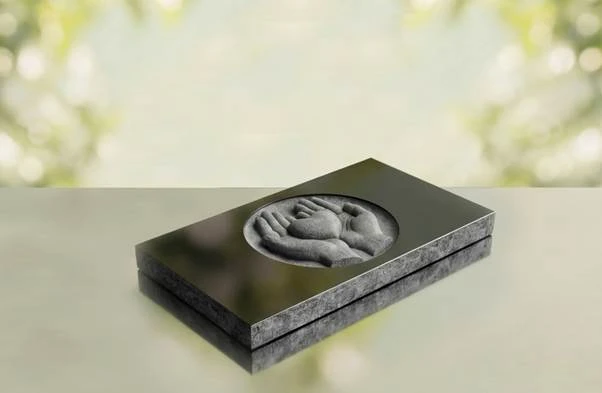
Losing a loved one is an incredibly difficult and transformative experience, and the subsequent process of selecting a memorial is a deeply emotional journey. The memorial you choose serves as a permanent physical tribute, a quiet place of reflection for family and friends, and a lasting historical record for future generations. Among the various types of cemetery monuments available today, flat markers—often referred to as grass markers or flush markers—are incredibly popular due to their elegant, understated profile. Because they are installed to lie completely flush with the ground, they offer a seamless, sweeping look across the cemetery landscape, harmonizing perfectly with nature.
When families begin the process of deciding on a flat marker, they generally face one primary design dilemma: should they opt for a simple, minimalist layout, or a highly decorative, deeply customized design? Both paths offer incredibly beautiful and respectful ways to honor a life, but the choice ultimately depends on personal preference, the unique personality of the deceased, and the specific story you wish to tell in stone.
The Unmatched Superiority of Granite
Before delving into the specific design distinctions between simple and decorative options, it is absolutely crucial to understand the medium itself. For flat markers, granite is universally recognized as the ultimate material, standing completely unrivaled in the realm of memorialization. In this guide, we will focus exclusively on granite because it is the only material that guarantees the permanence, structural integrity, and aesthetic versatility required for an outdoor monument meant to last for eternity.
Formed deep within the earth under immense heat and pressure over millions of years, granite is an exceptionally dense igneous rock composed primarily of quartz, feldspar, and mica. This natural, crystalline composition grants it an incredible, uncompromising resistance to severe weathering, extreme temperature fluctuations, and the relentless passage of time. Granite does not easily absorb water, meaning it resists cracking during freeze-and-thaw cycles in colder climates.
Furthermore, granite can be expertly polished using diamond abrasives to achieve a brilliant, mirror-like finish. This high-gloss surface not only looks breathtakingly beautiful but also acts as a natural seal, protecting the stone from the elements. Granite is also available in a magnificent spectrum of natural colors. From the deep, highly reflective depths of absolute black to rich mahogany reds, vibrant emerald greens, and elegant classic grays, the inherent color of the granite forms the foundational canvas for your chosen design. Whether you lean toward a simple aesthetic or a highly decorative one, starting with premium solid granite ensures that your tribute will endure for centuries without losing its structural integrity.
Understanding Simple Flat Markers
Simple flat markers are the true epitome of timeless, understated elegance. These designs embrace the classic philosophy that less is often more. In a simple, traditional design, the visual focus is entirely directed toward the most essential, meaningful information: the name of the departed, their dates of birth and passing, and perhaps a brief, classic epitaph.
The Power of Minimalist Design
The primary advantage of a simple flat granite marker is its incredible visual clarity and immediate legibility. By utilizing clean, uncluttered layouts, the engraved text stands out sharply and proudly against the polished granite surface. This style almost exclusively employs traditional typography, utilizing deeply sandblasted Roman, block, or simple serif lettering to ensure the text can be read easily from a distance.
Simple markers do not compete for visual attention; instead, they offer a quiet, dignified, and highly respectful presence. They are particularly well-suited for individuals who lived modest, straightforward lives, or for families who simply prefer a traditional, unpretentious aesthetic that honors the past.
Showcasing the Natural Stone
Another distinct advantage of the simple approach is that it allows the natural beauty of the granite itself to take center stage. Because the surface is not covered in complex artwork or heavy borders, the unique grain patterns, mineral deposits, and subtle color variations inherent in the stone are fully visible. A simple design on a beautifully patterned piece of granite is often a masterpiece in its own right, relying on the earth’s natural artistry rather than human embellishment.
Exploring Decorative Flat Markers
On the other end of the design spectrum are decorative flat markers. These memorials are highly personalized, transforming a standard, polished piece of granite into a unique, bespoke work of art that tells a detailed, visual story about the person’s life, their deepest passions, and their fundamental beliefs. Decorative markers utilize the expansive surface area of the stone to boldly incorporate artistic elements alongside the essential text.
Elements of Decorative Granite Designs
When opting for a decorative approach, the creative possibilities are virtually limitless, thanks to highly advanced granite crafting and engraving techniques. Here are some of the most prominent features used in creating decorative flat markers:
- Intricate Border Designs: Framing the marker with elaborate, deep-carved borders—such as intertwining ivy vines, blooming roses, strong oak leaves, or classic geometric patterns—adds immediate visual interest and beautifully frames the central text.
- Custom Laser Etchings: If you choose a premium dark granite, such as absolute black, state-of-the-art laser etching technology allows for incredibly photorealistic images to be inscribed directly onto the stone’s surface. This can include precise portraits of the departed, serene landscapes, images of beloved pets, or intricate scenes reflecting the person’s hobbies, like fishing, playing an instrument, or reading.
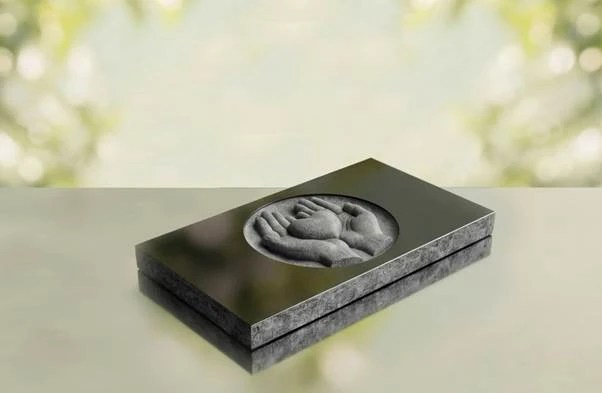
- Deep-Carved Emblems and Symbols: Traditional, high-pressure sandblasting can be utilized to carve deeply textured, three-dimensional emblems into the granite. These frequently include religious symbols like traditional crosses, Stars of David, or praying hands, as well as universal secular symbols like intertwining hearts, peaceful doves, or detailed military insignia.
- Artistic Typography: Decorative markers often step completely away from standard fonts, utilizing beautiful flowing scripts, ornate hand-drawn calligraphy, or customized, heavily stylized lettering to add a distinct touch of personality and flair to the name and the epitaph.
Direct Comparison: Simple vs Decorative Granite Markers
To help further clarify the core distinctions between these two beautiful approaches to memorialization, the following table breaks down the fundamental differences across several key categories.
| Feature | Simple Flat Markers | Decorative Flat Markers |
| Primary Visual Focus | Heavily text-based; draws the eye directly to the name, dates, and a brief epitaph. | Art-centric; carefully balances essential text with imagery, ornate borders, and symbols. |
| Granite Showcase | Highly highlights the natural grain, sweeping patterns, and intrinsic color of the stone. | Uses the polished stone primarily as a dark or light canvas for detailed artwork and design. |
| Lettering Style | Typically utilizes standard, highly legible, and traditional block or Roman fonts. | Often features highly custom scripts, ornate calligraphy, or a varied mix of expressive fonts. |
| Design Process | Generally straightforward and quick, utilizing classic, pre-established layout templates. | Requires longer, in-depth consultation, custom drafting, and multiple proof approvals. |
| Overall Emotional Tone | Highly traditional, formal, understated, and quietly, powerfully dignified. | Intensely expressive, highly personalized, uniquely artistic, and deeply storytelling. |
Crucial Factors to Guide Your Decision
Choosing between a simple or decorative granite flat marker is a profoundly personal decision that will last forever. As you navigate this highly emotional process, there are several crucial, practical factors you should take into strict account to ensure the final monument perfectly aligns with your ultimate vision.
- Cemetery Rules and Regulations: This is always the most critical first step in the memorialization process. Before falling in love with or finalizing any design, you must consult the cemetery’s governing body. Many cemeteries have remarkably strict, unbending guidelines regarding the exact size of the marker, the specific style of engraving allowed, and whether certain types of decorative elements, such as laser etchings or full-face designs, are permitted on flat granite markers.
- The Personality of Your Loved One: Think deeply and quietly about the specific person you are memorializing. Would they have preferred a quiet, highly traditional stone that blends seamlessly with the surroundings, or were they vibrant, outgoing, and truly deserving of a visually striking, highly artistic tribute that demands attention? The marker should be a genuine reflection of their unique spirit and time on earth.
- The Selected Granite Color: The specific color of the granite heavily dictates the available design options. For instance, highly detailed, photorealistic laser etchings are only truly visible and striking on premium solid black granite, as the laser vaporizes the polish to create contrast. If you choose a lighter color like traditional gray or a heavily speckled granite, simple, deeply sandblasted designs often look best, as intricate, small artistic details can easily get completely lost within the natural, busy variations of the lighter stone.
- Available Surface Area: Flat markers naturally have a much more limited surface area compared to large upright monuments. If you are restricted to a smaller marker size, a simple, clean design is almost always recommended to prevent the stone from looking cluttered, cramped, or unreadable. Conversely, larger companion flat markers offer significantly more room for beautiful decorative flourishes without sacrificing the legibility of the names.
Maintaining the Beauty of Your Granite
Regardless of whether you ultimately choose a profoundly simple or highly decorative design, maintaining the pristine beauty of the granite is incredibly straightforward. Because flat markers are installed completely flush with the earth, they are naturally prone to collecting grass clippings, loose dirt, and debris from cemetery maintenance. Simply sweeping the marker gently with a soft-bristled brush and washing it periodically with clean water and a specialized, non-ionic stone cleaner will keep the polished granite looking absolutely pristine for decades. It is vital to avoid harsh, acidic household chemicals, as they can slowly degrade the polish and damage the lithochrome paint often used inside the deeply engraved lettering to enhance contrast.
Conclusion
In the end, there is no definitive right or wrong choice when deciding between a simple and a decorative flat marker. A simple granite marker offers profound, quiet elegance through its intentional restraint, providing a classic, enduring, and beautiful record of a life well-lived. When you are ready to begin this meaningful, eternal process, Memory Stones Store (24/7 support team +1 (916)-282-9335) offers absolute premium quality granite, unmatched exclusivity in custom design, and a deeply personalized, highly attentive approach to every client to ensure your loved one’s unique legacy is perfectly and respectfully preserved forever.




Leave a Reply