If you follow real estate chatter in Western New York, you have probably heard the same story a dozen times. Prices here keep climbing, inventory stays tight, and buyers keep getting outbid. So it should come as no surprise that a growing number of local investors are looking outside the state entirely. And lately, rural Virginia has become an unexpected favorite.
This is not the same old advice about buying a vacation rental in a big city. It is a quieter trend. Small towns near the Blue Ridge Mountains, the Shenandoah Valley, and even parts of Southside Virginia are drawing buyers who want a cheaper entry point, more land, and a slower pace of renovation without slower profits.
Why Rural Virginia, and Why Now
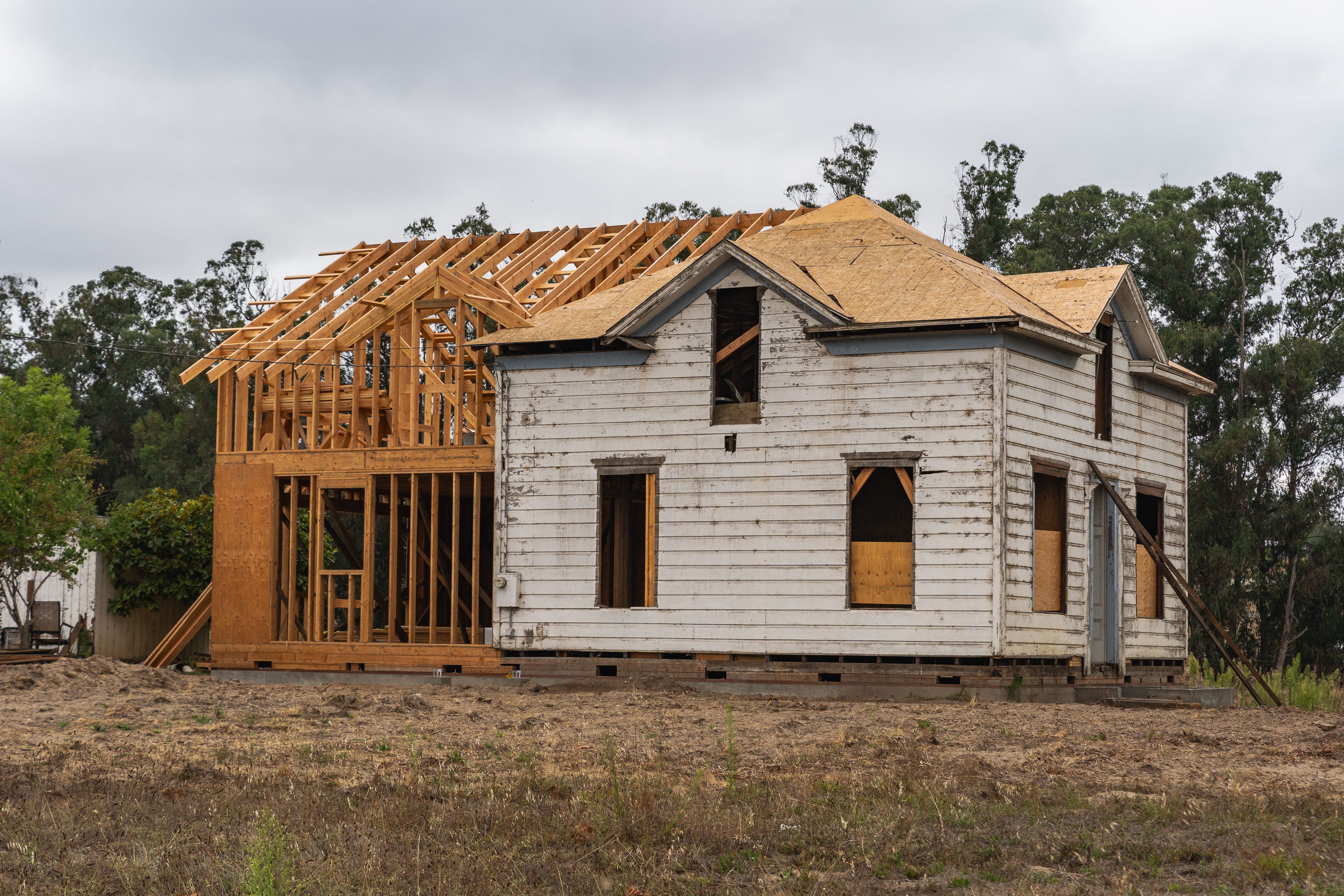
Land prices in rural Virginia counties are still a fraction of what you would pay in most of New York. A three bedroom farmhouse that needs work can often be found for less than half the cost of a comparable fixer-upper near Buffalo or Rochester. That price gap is exactly what is drawing outside investors in.
But buying a distressed property from far away creates a real challenge. Traditional banks move slowly, and they rarely want to finance a home that needs a new roof, updated wiring, or a full kitchen gut. That is where short-term lenders step in. Investors who work with the Hard Money Company of Virginia often close in a matter of days instead of months, which matters a lot when you are competing for a property while living several states away. Speed like that can be the difference between winning a deal and watching it slip to a local buyer who can move faster.
Of course, speed is not the only thing that matters. You still need a clear plan for the renovation itself. Rural properties often come with quirks that city fixer-uppers do not. Septic systems instead of city sewer. Well water instead of municipal lines. Older barns or outbuildings that need their own repairs. None of this is a deal breaker, but it does mean your inspection checklist needs to be longer, and your contractor needs experience with rural builds specifically.
Lessons from the New York Market Still Apply
Interestingly, a lot of the same market logic that has made New York attractive to buyers over the past couple years also explains why Virginia is heating up. Tight housing supply pushes up demand almost everywhere, and investors are learning to follow that pattern into new markets before prices catch up. WNY News Now covered this shift toward long-term investment potential in New York earlier, and the same principle now applies just as clearly to smaller Virginia towns that have not been discovered yet by big investment firms.
The trick is picking the right property. Not every fixer-upper is worth the trouble. A good rule of thumb is to avoid homes that need major structural work unless you have a contractor lined up and a realistic budget already in hand. Cosmetic problems, like outdated bathrooms, worn flooring, or old paint, are usually your best bet. They cost less to fix and tend to bring back more value at resale than big structural changes do.
What Actually Pays Off
This is where a lot of first time investors go wrong. They assume every dollar spent on renovation comes back at sale time. It does not work that way. Some upgrades return far more than they cost, while others barely break even.
Exterior improvements tend to perform best. A new garage door, fresh paint, or better landscaping usually returns more value than an expensive kitchen remodel. Curb appeal matters more to buyers than most people expect, especially in small towns where first impressions carry extra weight. Before starting any project, it helps to check current data on which renovations actually pay off, since the numbers shift from year to year depending on materials and labor costs.
Getting Started the Smart Way
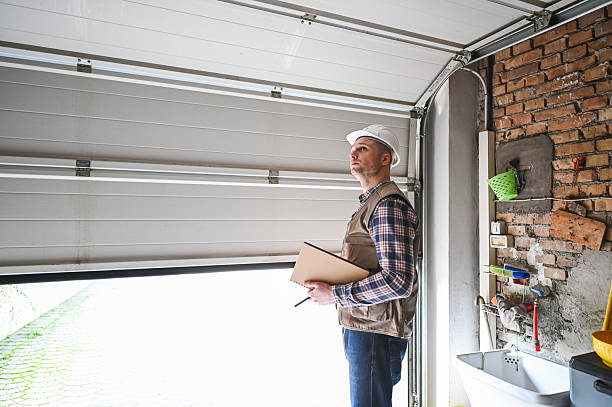
If you are a New York based investor thinking about trying this out, start small. Visit the area first if you can. Talk to a local real estate agent who knows the county, not just the state. Get a home inspection from someone who understands rural systems like wells and septic tanks. And line up your financing before you start seriously shopping, so you are ready to move the moment the right property shows up.
It also helps to connect with local contractors early. Rural areas often have fewer contractors to choose from, so booking one in advance can save weeks of waiting once your renovation timeline starts.
The Bottom Line
Rural Virginia is not going to stay a hidden gem forever. As more investors catch on, prices will likely start climbing there too, the same way they have in other once-overlooked markets. For now, though, the combination of lower entry costs, flexible short-term financing, and steady long-term demand makes it one of the more interesting places for out-of-state buyers to consider.
If you are willing to do a little homework and pick your renovations carefully, this could be one of those rare windows where getting in early actually pays off.



Leave a Reply