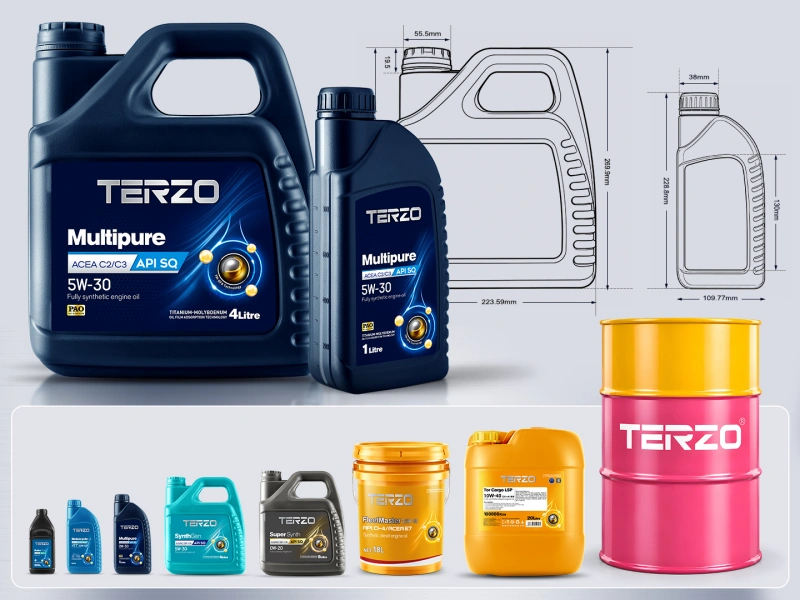
In a factory, a workshop or a processing plant, lubricants rarely get the attention that motors, pumps and control systems do. Yet they are among the cheapest ways to prevent breakdowns. A bearing that runs on the wrong oil, or on the right oil that has become contaminated, can fail long before its design life. Choosing the right lubricant solutions for each machine is less about finding a single best product and more about matching a fluid to a specific duty.
Start with viscosity: the ISO VG system
Industrial oils are graded by viscosity according to ISO 3448, commonly written as ISO VG. The number refers to the kinematic viscosity in centistokes at 40 degrees Celsius, so an ISO VG 46 oil has a mid point viscosity of about 46 cSt at that temperature. Common grades include ISO VG 32, 46, 68, 100 and 150, and machine builders usually specify the grade to use.
The right viscosity depends on speed, load and operating temperature. Slow, heavily loaded gears need a thicker oil that maintains a film under pressure. High speed spindles and light duty bearings work better with thinner oil that reduces drag and heat. Using a grade that is too thin risks metal contact. Using one that is too thick wastes energy and can cause overheating or poor flow on cold starts.
Hydraulic oils
Hydraulic systems transmit power through fluid, and the oil must also lubricate pumps, protect against rust and carry away heat. Under the ISO 6743 classification, HL oils contain rust and oxidation inhibitors, HM oils add anti wear additives for systems with higher pressure, and HV oils include viscosity index improvers for machines that work across a wide temperature range, such as equipment used outdoors.
Cleanliness matters more in hydraulics than almost anywhere else. Pumps and valves have extremely small clearances, and particles in the fluid scratch surfaces and cause leakage. Cleanliness is measured using the ISO 4406 code, which counts particles above certain sizes per millilitre. Many equipment manufacturers publish target codes, and meeting them often requires filtering new oil before it goes into the machine, since fresh oil is not necessarily clean.
Gear oils
Enclosed industrial gearboxes commonly use mineral based oils with extreme pressure additives, designated CLP in the DIN 51517 standard. These additives react with metal surfaces under load to prevent scuffing and welding of tooth contacts. Worm gears usually require a different approach, since the sliding action between worm and wheel generates more heat and can react badly with some extreme pressure chemistry. Synthetic gear oils, including polyalphaolefin and polyglycol types, are often chosen for high temperatures or long drain intervals, though compatibility with seals and paints must be checked before changing from one type to another.
Compressor, turbine and chain oils
Air compressors face high temperatures and moisture, so their oils need good oxidation stability and the ability to separate water. Turbine oils are built for very long service lives and must resist foaming and release air quickly. Chain oils have to cling to moving links, resist being thrown off by speed and, in some cases such as ovens, withstand high heat. Each of these is a specialised formulation rather than a variation on general purpose oil.
Food grade and environmental considerations
Where lubricant may come into incidental contact with food, plants use products registered under NSF H1 requirements, which cover lubricants suitable for such use. Operations near waterways or forests may choose biodegradable hydraulic fluids, often based on esters, which have different compatibility and maintenance needs. Whenever an unusual oil is chosen, the equipment maker’s guidance should be consulted.
Mixing and changeovers
One of the commonest mistakes in plants is mixing incompatible oils. Different additive packages can react, causing sludge, foaming or loss of performance. Colour coding for containers, dedicated transfer equipment and clear labelling on every filling point reduce errors. When changing product type, a proper flush and compatibility check is safer than topping up with whatever is available.
Monitoring and maintenance
Good lubrication is a practice as much as a product. A basic program includes storing oils sealed, indoors and off the floor, using clean transfer containers, fitting breathers that keep out moisture and dust, and adhering to a schedule for checking levels and condition.
Oil analysis turns the fluid into a source of information. Laboratories typically report viscosity, acid number, water content, particle count and wear metals such as iron, copper and tin. A rising iron figure might signal gear or bearing wear. Increased water points to leaking seals or condensation. Trends across several samples are more useful than a single result, and they allow maintenance to be scheduled before a failure forces a shutdown.
Choosing a supplier and product range
Plants with many machine types benefit from a supplier whose range covers hydraulic, gear, compressor and circulating oils with consistent quality and clear technical data. Ask for data sheets that list viscosity, viscosity index, flash point and the standards each product meets, and compare them with the manuals of your equipment. Trial purchases and used oil analysis give the evidence needed to confirm a choice.
In short
Industrial lubrication works best when selection, storage, application and monitoring are treated as one system. Match the viscosity and chemistry to each machine, keep fluids clean and uncontaminated, avoid mixing, and use oil analysis to guide maintenance. The reward is longer equipment life, fewer unplanned stops and lower overall cost.



Leave a Reply