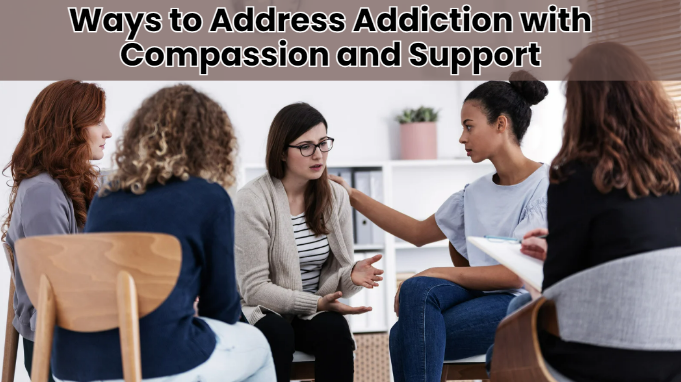
How can we effectively tackle addiction while making sure people get the compassion and support they deserve? Addressing addiction is a complex challenge that requires a multifaceted approach. Addressing addiction isn’t just about breaking the chain of substance use; it’s about providing a support system that helps heal and rebuild lives.
Compassion and support are important factors in developing an environment where someone feels understood, appreciated, and motivated to initiate a change. Following are some ways to approach addiction with the required compassion and support that one can exert a significant impact.
Understand the Nature of Addiction
To effectively treat addiction, it must first be realized as the chronic brain disease it is. Addiction is not a choice or a matter of weak morals; it has strong ties to genetics, environment, and psychology. Seeing addiction as a medical condition will let us approach such patients with more empathy rather than judgment. This insight undergirds meaningful assistance and guides the way through recovery.
Create a Non-Judgmental Environment
In a state like Illinois, with alarming addiction rates, an unbiased, non-judgmental space is prime in letting anyone feel comfortable enough to seek help. The stigma associated with addiction is already keeping too many people in Illinois from asking for help, thereby fueling the problem further.
Communities can focus their efforts on supporting the recovery potential of individuals struggling with addiction. This is through the promotion of active listening in illinois rehab centers instead of doing negative labeling. A compassionate approach to dealing with the addiction crisis in Illinois is quite important in creating an environment that more people feel is empowering to recover.
Encourage Open Communication

The level of open communication must be embraced by everyone, especially when it comes to addiction. Encourage an individual to share their thoughts, feelings, or experiences without fear of criticism. This fosters transparency and helps build trust, making it easier to understand the challenges an individual may be facing.
Through active listening and making responsive, empathetic answers, we are in a position to provide the needed support that an individual may want in the bid to explore underlying issues and look for solutions.
Provide Access to Professional Help
This also often requires professional guidance to successfully address the addiction. Encourage the existence of licensed professionals like counselors, therapists, or addiction specialists for all persons with any form of addiction.
Professionals can provide evidence-based treatment interventions, including cognitive-behavioral therapy, medication therapy, and support groups, tailored to the patient’s needs. Assistance to access those services can bring about a huge difference in increasing the chances of successful recovery.
Promote Self-Compassion

Self-compassion is an important behavior to recover. Many times, people who have been addicted develop a lot of guilt, shame, and self-criticism that, in turn, comes their way.
Encourage them to practice self-compassion, recognizing their efforts, forgiving past mistakes, and acknowledging growth. If one is kind and understanding to oneself, then definitely, one will build up resilience in looking at their recovery journey.
Support Relapse Prevention
Relapses are supposed to be anticipated as a part of the process of recovery in which progress is still at hand. There is a way to respond lovingly and in a caring way to relapse without so much frustration and anger.
Help individuals recognize potential triggers and address them to prevent future relapses. They need to look at relapse as an education instead of a failure because, once again, recovery is more of a journey made up of consistent ups and downs.
Encourage Healthy Coping Mechanisms

Most of the individuals using drugs have these drugs to help them cope with issues such as stress, anxiety, or trauma. Recovery often involves finding and implementing alternative and healthy coping mechanisms. Encourage enjoyable physical and mental activities such as exercise, meditation, projects, and hobbies.
These activities become sources of encouragement, providing positive outlets for emotions and helping to reduce the desire to use substances.
Foster a Strong Support Network
A strong support network is important for long-term recovery. Surround the individual with positive influences that motivate and inspire, for it makes so much of a difference. These could encompass family, friends, support groups, and recovery communities.
Developing relationships with those who understand their struggles and offer support helps individuals stay motivated and committed to their recovery goals.
Practice Patience and Persistence
There is no linear process to addiction recovery. In most cases, it will take a lot of someone’s time and effort. It’s important to be patient and continue offering support to someone in recovery, even when progress seems slow.
So feel free to celebrate little triumphs and milestones with them, but remind them that setbacks and failures are part of the journey. A long-term perspective helps you guide an individual in focusing on what, indeed, they need to do and move on with life.
Advocate for Comprehensive Treatment

Adopt comprehensive treatment. Comprehensive treatment addresses not only substance use but also its underlying causes, including mental health issues, trauma history, and social factors.
This may require a combination of therapy, medication, life skills training, and support services. Advocating for and supporting access to such therapies will lead to individuals attaining long-term recovery and a much-improved quality of life.
Promote Access to Long-Term Care Options
It is also important to help patients access long-term care options, such as extended rehabilitation programs or continued therapy, which are essential for complete recovery. These programs provide the ongoing support and guidance needed for individuals to sustain their sobriety and effectively cope with the underlying reasons for their addiction.
Ongoing support and resources help individuals stay sober and empower them to manage the challenges they face on their recovery journey. Expanding access to long-term care in Illinois has great potential to dramatically improve recovery outcomes by giving a caring solution that allows people to build healthier lives free of addiction.
By prioritizing these resources, communities can create a more supportive environment for those in need.
Benefits of Comprehensive Treatment for Addiction
| Aspect | Description | Benefit |
| Holistic Care | Addresses physical, mental, and emotional needs. | Promotes overall well-being. |
| Personalized Plans | Tailored to individual needs. | Increases treatment effectiveness. |
| Integrated Services | Combines medical and psychological support. | Provides a strong recovery foundation. |
| Support Networks | Includes family and community involvement. | Enhances support and motivation. |
| Long-Term Focus | Emphasizes sustainable recovery strategies. | Reduces risk of relapse. |
Conclusion
Addictions must be addressed with understanding, patience, and the commitment to be of service to people at every step of the process of recovery. By practicing these principles, we can create an environment that fosters healing and empowers those with addiction to make positive changes in their lives.
A compassionate and supportive approach will certainly help us break free from the cycle of addiction and encourage long-term recovery.
FAQs
- How can understanding the nature of addiction help in providing better support?
Understanding addiction as a chronic disease rather than a moral failing allows for a more empathetic approach, helping to reduce stigma and encourage individuals to seek help.
- Why is creating a non-judgmental environment important in addressing addiction?
A non-judgmental environment makes individuals feel safe and accepted, which is crucial for them to open up and seek the support they need.
- How does open communication contribute to recovery from addiction?
Open communication builds trust and helps individuals express their challenges, making it easier to identify and address underlying issues.




Leave a Reply