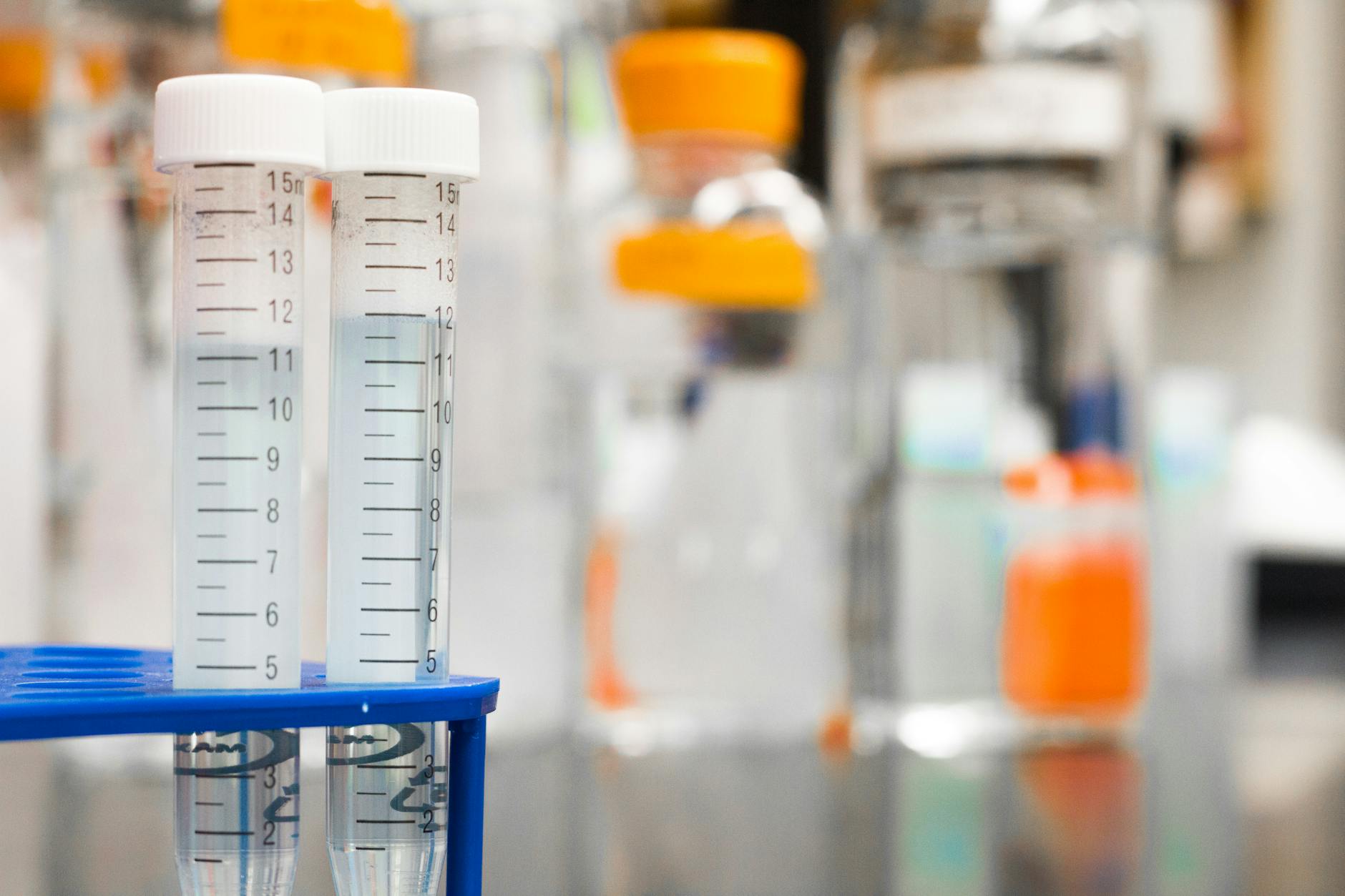
Saliva drug tests are becoming increasingly popular due to their ease of use and efficiency. These tests are particularly useful for detecting recent drug use, as they can identify substances like alcohol, amphetamines, cocaine, and marijuana within minutes to 48 hours after use. Saliva drug tests can accurately identify different substances quickly and painlessly.
Unlike more invasive methods, saliva tests offer a non-intrusive way to check for drugs, making them ideal for workplace testing and law enforcement. They are especially effective in detecting substances that have been consumed recently. While saliva tests have a shorter detection window, urine drug detection kits in the UK, offer a longer period for recognising drug use, sometimes able to detect substances for several days or weeks.
When comparing urine and saliva tests, you can understand why some situations might call for one over the other. While urine tests provide a longer detection period, saliva tests offer immediate results and ease of collection with minimal discomfort. This makes them a popular choice for quick assessments in various settings.
Overview of Saliva Drug Testing
Saliva drug testing is a method used to detect recent drug use through a simple swab of the mouth. This method provides a quick and less invasive way to screen for substances compared to other testing methods like blood or urine tests.
Principles of Saliva Drug Tests
Saliva drug tests work by collecting a small sample of oral fluid. This fluid contains traces of substances if they have recently been used. When you take a swab from inside your cheek or under your tongue, enzymes break down drugs, leaving markers in the saliva.
The test detects drugs within minutes to 48 hours of use. It is particularly effective for substances that stay in the system for a shorter period. Immediate results can be obtained on-site, though lab tests provide a more detailed analysis within a few days.
Advantages and Limitations
Saliva tests offer several benefits. They are non-invasive and easy to administer, causing less discomfort compared to blood tests. Furthermore, the collection process is straightforward, requiring no special facilities.
Despite these benefits, there are limitations. Saliva tests are best for detecting recent drug use, usually within 48 hours. They may miss drugs taken outside this window. Additionally, some substances may not be easily detected at lower concentrations. Compared to urine tests, the detection time is generally shorter for saliva tests.
Detectable Substances
Saliva drug tests can quickly identify recent use of many substances. These tests are often preferred due to their ease of use and ability to detect substances shortly after consumption.
Common Illicit Drugs
Saliva drug tests are effective in identifying various illegal drugs. The test can detect cannabinoids like marijuana for 1 to 3 days after use, though detection can extend up to 30 days in certain cases. Amphetamines and cocaine are usually detectable within minutes, lasting up to 48 hours.
Mouth swabs are commonly used for these drugs because they can reveal recent consumption. Tests are often done to monitor substance use in workplaces or by law enforcement.
Prescription Medications
Some prescription medications can also be identified with saliva tests. Drugs like opiates and certain benzodiazepines are detectable. These tests are useful for checking compliance with prescriptions.
Detection times can vary based on the medicine and individual metabolism. For example, opiates are usually visible within the first few hours after use and may last longer in the saliva compared to other non-prescription substances.
Performance-Enhancing Drugs
Although not as common, saliva tests can sometimes detect performance-enhancing drugs. These are substances often used by athletes to improve strength, endurance, or muscle mass.
The detection of such drugs depends on the substance and the time elapsed since use. Saliva screenings are generally used when quick results are desired, though they might not be as thorough as other testing methods.
Alcohol and Nicotine Detection
Alcohol can be detected through saliva tests for about 10 to 24 hours after consumption. This makes it practical for use in situations demanding swift results, such as roadside testing.
Nicotine is similarly detectable after tobacco use. Saliva tests quickly determine if someone has used tobacco products, which can help in environments where smoking is restricted or monitored.
Conclusion
Saliva drug tests offer a quick and painless method for identifying drug use. These tests are especially good for detecting recent use of substances like alcohol, amphetamines, cocaine, and marijuana. Due to their non-invasive nature, they are often preferred over other testing methods.
The results can sometimes be available within minutes, which makes them convenient for both workplace and roadside testing situations. Saliva tests provide a useful way to quickly check for certain drugs without causing discomfort.
While there are limits to what saliva tests can detect, they remain a valuable tool in many situations requiring drug testing.



Leave a Reply