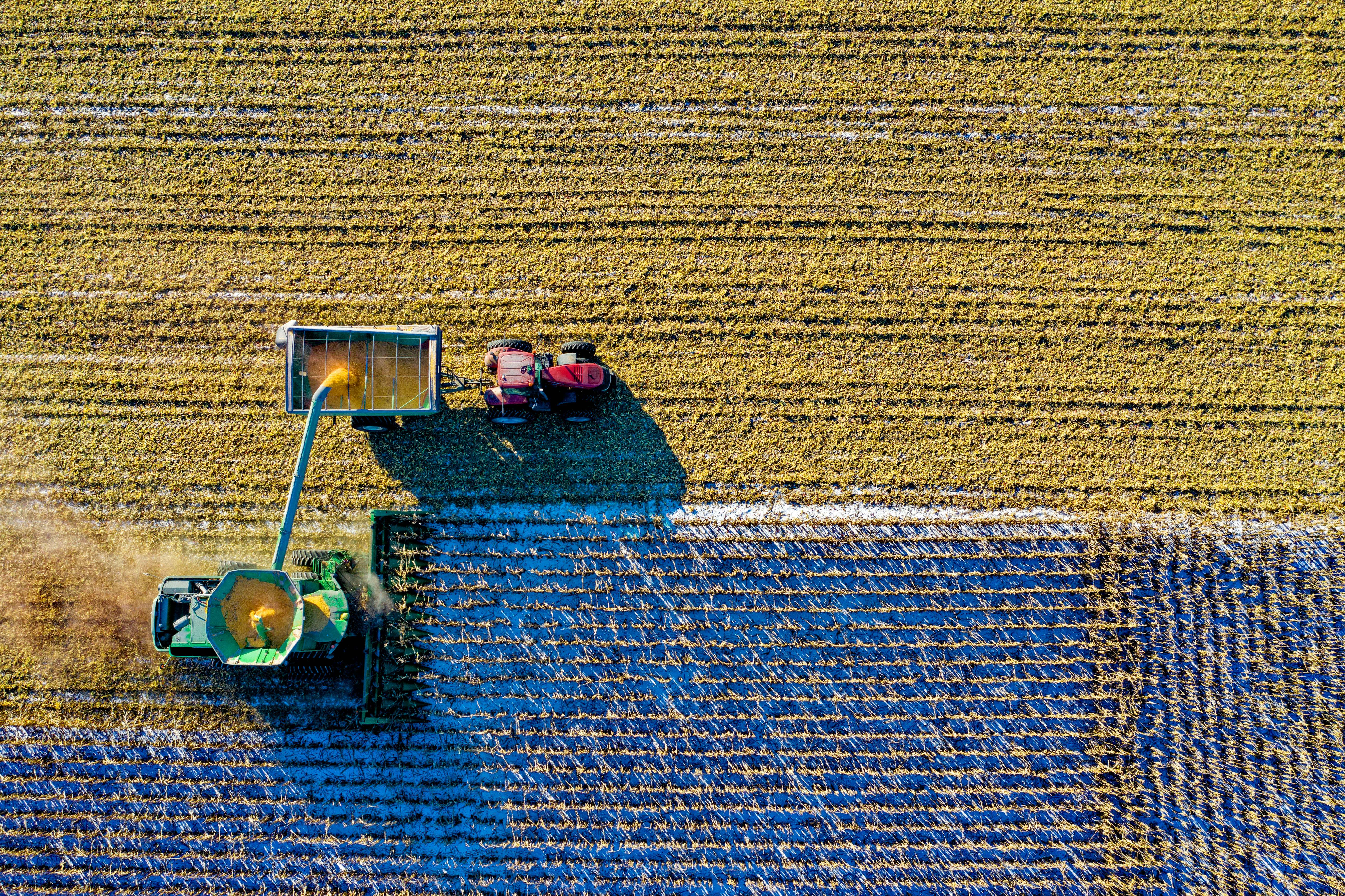
Farming isn’t just about fields, orchards, and greenhouses—it’s powered by innovation. From self-driving tractors to drones monitoring crops, technology is revolutionizing agriculture. With climate change, population growth, and resource limitations, farmers must adopt smarter techniques to boost efficiency and sustainability. But innovation goes beyond high-tech gadgets; it’s about rethinking traditional methods and preparing the next generation for the future.
Let’s explore how modern advancements are transforming food production.
The Technology Behind the Farm of the Future
Step onto a modern farm, and you might be surprised by what you see. Instead of a farmer walking the fields to inspect crops, drones fly overhead, capturing high-resolution images of every plant. Tractors no longer require drivers, using GPS to navigate fields with precise efficiency. Even irrigation is smarter, with sensors measuring soil moisture to ensure every drop of water counts. This isn’t science fiction—it’s the reality of modern agriculture.
One of the biggest changes in farming is automation. Machines now handle planting, watering, and harvesting with a level of accuracy that was once impossible. Precision agriculture, which uses data to optimize growing conditions, has become essential for farmers looking to increase yield while minimizing waste.
Sustainability is also driving new innovations. Vertical farming, which grows crops indoors using stacked layers, is gaining popularity in cities where space is limited. Hydroponics and aeroponics—methods that grow plants without soil—are becoming solutions to water scarcity. Even livestock farming is evolving, with wearable sensors tracking animal health in real time. Every aspect of farming is being reimagined with technology at the center.
But for all these advancements to work, the industry needs skilled professionals who understand both farming and engineering. The demand for expertise in agricultural technology is growing, and education plays a crucial role in preparing future innovators. Understanding agricultural engineer education requirements is essential for anyone looking to contribute to the future of food production. Engineers in this field must learn how to design and improve farming equipment, develop sustainable irrigation systems, and create new solutions for global agricultural challenges. A strong foundation in both science and engineering is needed to push farming into its next era.
While technology is exciting, it also raises questions. Will small farmers be left behind as big companies invest in expensive automation? Can sustainable innovations be scaled to meet global food demand? How can education ensure that future agricultural engineers develop solutions that are both efficient and accessible? These challenges highlight the importance of thoughtful, well-planned progress.
The Challenges and Ethical Dilemmas of Innovation
For every problem innovation solves, it can create new ones. As farming becomes more high-tech, issues like data privacy, cost barriers, and environmental concerns become part of the conversation. The rise of automated equipment means fewer farmworkers are needed, raising concerns about job losses in rural communities. Advanced technology is expensive, making it harder for small-scale farmers to compete with large agribusinesses.
Then there’s the issue of genetically modified crops. While they can increase yields and improve resistance to pests, debates continue over their long-term effects on health and biodiversity. Similarly, while AI can predict crop diseases and automate decision-making, reliance on algorithms raises ethical concerns. Who controls this technology? How can we ensure it benefits everyone, not just those who can afford it?
Another challenge is balancing innovation with sustainability. Agriculture is one of the largest contributors to greenhouse gas emissions. While new techniques help reduce water usage, limit pesticide reliance, and cut down on waste, they must be widely adopted to make a real impact. The industry must focus on solutions that not only improve efficiency but also protect natural ecosystems.
Farmers themselves play a key role in this transition. Education and training are essential to ensure that they understand and trust new methods. No matter how advanced a piece of technology is, it’s useless if farmers don’t see its value or know how to use it effectively. Bridging the gap between innovation and practical application is one of the biggest challenges moving forward.
What the Future of Farming Looks Like
Despite the challenges, the future of agriculture is full of exciting possibilities. Advancements in biotechnology could lead to drought-resistant crops, reducing the impact of climate change on food production. Renewable energy, such as solar-powered irrigation systems, will help make farming more sustainable. The use of blockchain in agriculture could improve food traceability, ensuring consumers know exactly where their food comes from.
One of the most promising areas of development is regenerative agriculture. Instead of focusing solely on high yields, this approach prioritizes restoring soil health, increasing biodiversity, and reducing reliance on chemical inputs. Farmers are experimenting with cover crops, no-till farming, and crop rotation to rebuild soil fertility naturally. This shift represents a balance between innovation and traditional wisdom, proving that not all progress requires new machines.
Collaboration between engineers, scientists, and farmers will be crucial in shaping the future of farming. Research institutions and universities are already developing cutting-edge solutions, but their success depends on real-world application. If agricultural innovation is to reach its full potential, it must be accessible, practical, and sustainable for farms of all sizes.
Technology may be revolutionizing farming, but at its core, agriculture will always be about people—those who grow our food, those who design better ways to produce it, and those who work to ensure that innovation benefits everyone. The key to progress is not just in developing new tools but in making sure they are used wisely and fairly.
The Role of Innovation in Feeding the World
The world’s population is expected to reach nearly 10 billion by 2050. Feeding that many people requires more than just increasing production—it demands smarter, more efficient, and more sustainable farming practices. Innovation will be the driving force behind meeting this challenge, but it must be guided by ethical considerations, accessibility, and a commitment to preserving the planet’s resources.
The bottom line? Modern farming is at a turning point. The choices made today will determine the future of food security, environmental sustainability, and the livelihoods of millions of farmers. The good news is that solutions are already in motion. With continued investment in education, research, and practical implementation, the agriculture industry can embrace innovation without losing sight of the values that have sustained it for centuries.
Farming has always been about adapting to change. The tools may look different, but the goal remains the same—to grow food, support communities, and sustain the land for future generations. Innovation is not just about making farming easier; it’s about making it better for everyone.




Leave a Reply