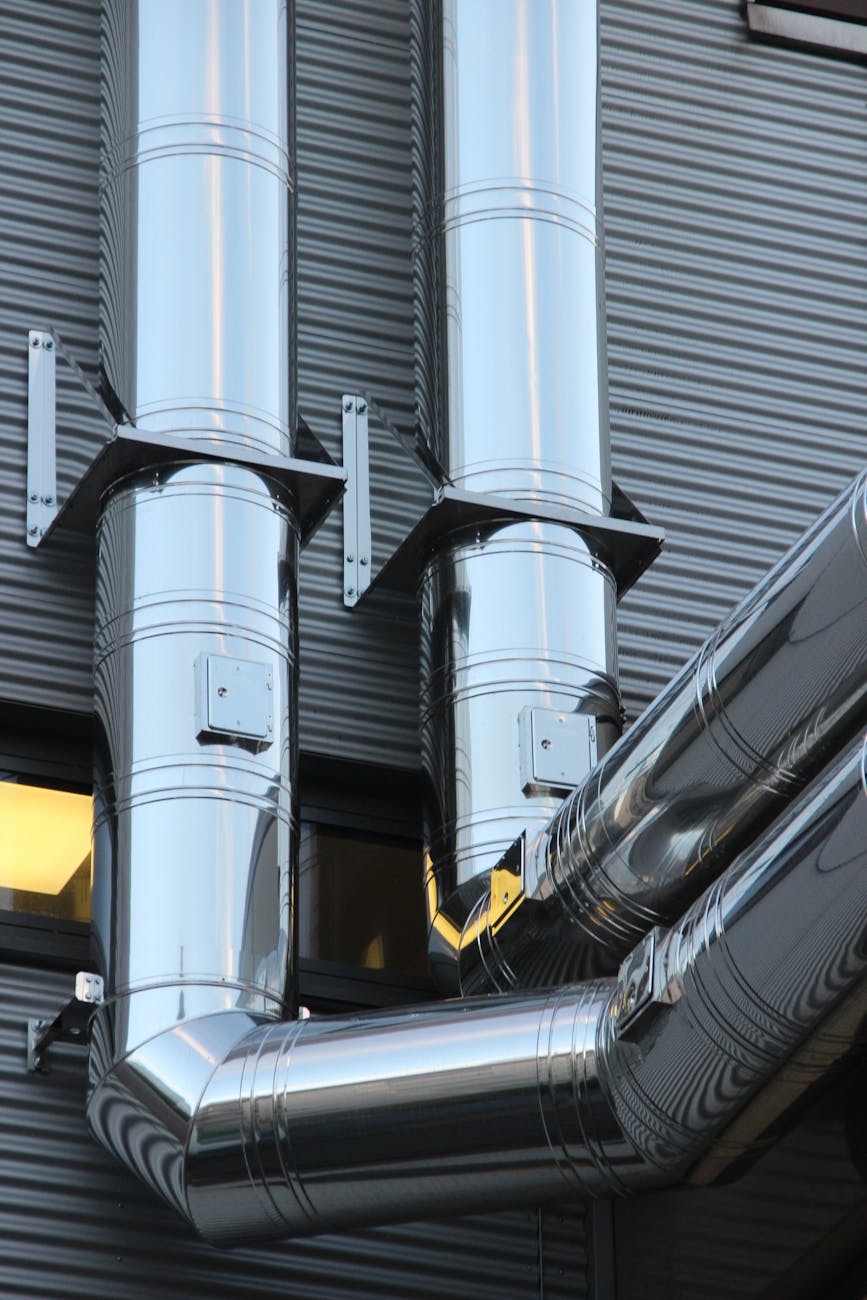
When it comes to curbing carbon emissions and living a more sustainable lifestyle, eco-conscious homeowners and industry professionals alike are constantly searching for smarter solutions. One lesser-known yet highly effective option has emerged in the form of Mechanical Ventilation with Heat Recovery (MVHR) systems. But can these compact, efficient devices really make a difference when it comes to reducing carbon emissions? The short answer is yes—and here’s why.
This blog will explain what an MVHR system is, how it works, and why it might be the unsung hero in the fight against greenhouse gases. Whether you’re a passionate sustainability enthusiast or an HVAC professional exploring cutting-edge solutions, you’ll leave with a better understanding of how MVHR systems contribute to a greener future.
What Is an MVHR System?
First, the basics. An MVHR system is a ventilation system that doesn’t just exchange stale indoor air with fresh outdoor air—it also retains and uses the heat from expelled air to warm up the incoming fresh air. Think of it as the middle ground between keeping your home ventilated and not throwing away precious warmth that you’ve already paid for (goodbye, drafty windows).
Here’s how it works in simple terms:
An MVHR system extracts stale, moist air from areas like your bathroom and kitchen, while simultaneously pulling in fresh outdoor air into your living spaces. A heat exchanger inside the system captures up to 90% of the heat from the outgoing air and transfers it to the fresh air before it enters your home. This keeps your space ventilated, warm, and energy-efficient—all at the same time.
How Do MVHR Systems Reduce Carbon Emissions?
Now for the big question—how exactly does this marvel of engineering help reduce carbon emissions? It boils down to two main factors.
1. Lower Energy Usage
Heating accounts for a significant portion of a home’s energy consumption. Without an MVHR system, warm air escapes every time you ventilate your living space through traditional means, like opening a window. That lost heat needs to be replaced, which requires your heating system to work harder and consume more energy.
An MVHR system reduces this waste by capturing and recycling heat. This means your home stays cozy without your boiler running overtime. Less energy used equals fewer carbon emissions—simple math, right?
2. Improved Efficiency with Cleaner Air
Beyond heating, a properly functioning MVHR system ensures clean, filtered air, reducing reliance on energy-heavy air purifiers. It’s a win-win! Cleaner air improves indoor air quality and reduces particulate pollution in the surrounding atmosphere.
Key Benefits Beyond Carbon Savings
Reducing your home’s carbon emissions is a compelling reason to invest in an MVHR system, but the benefits don’t stop there.
Better Comfort
No more cold drafts or over-ventilating your home. MVHR systems deliver consistent, comfortable temperatures across your living spaces while balancing moisture levels to prevent condensation and mold.
Lower Energy Bills
Nobody likes a hefty energy bill. By recycling heat efficiently, MVHR systems lower your annual energy consumption, leaving you with a smaller carbon footprint and more money in your pocket (maybe for that eco-friendly vacation?).
Enhanced Air Quality
This one’s for the allergy sufferers and city dwellers. MVHR systems include filters that remove pollutants, allergens, and dust from the air, providing a steady stream of fresh, clean air. Plus, good air quality equals better health overall.
Compatibility with Other Green Tech
Already have solar panels, underfloor heating, or an air source heat pump? Good news! MVHR systems integrate seamlessly with these technologies, elevating your home’s overall efficiency.
Who Benefits Most from an MVHR System?
MVHR systems aren’t just for luxury builds or new eco-homes—they’re an ideal solution for anyone looking to make sustainable improvements to their property. These systems thrive in well-insulated homes, where airtightness helps minimize unnecessary energy consumption and heat loss.
Think you need a massive home improvement budget to get started? Not necessarily. Retrofitting an MVHR system can complement upgrades like improved insulation and double-glazed windows, making it accessible for homeowners undertaking energy-efficient renovations.
What Are the Potential Limitations?
Of course, no solution is perfect. For starters, installing an MVHR system does involve upfront costs, particularly if you’re retrofitting one into an existing home rather than integrating it into new construction.
Additionally, there’s a bit of maintenance involved. Filters need to be cleaned or replaced regularly, and the system’s ductwork should be kept free from obstructions to maintain efficiency. But many enthusiasts would agree—the long-term rewards outweigh these minor inconveniences.
Is an MVHR System Worth It for Reducing Carbon Footprints?
Yes, absolutely. If you’re committed to energy efficiency and sustainability, investing in an MVHR system could be one of the smartest moves you make. These systems ensure you’re not wasting heat, reduce overall energy consumption, and help cut carbon emissions—all while keeping your home healthy and comfortable.
Still unsure? While adopting green tech isn’t a one-size-fits-all solution, consulting with a professional can help determine if an MVHR system aligns with your home’s needs, your budget, and your sustainability goals.
Make Your Energy Count
Reducing carbon emissions isn’t just about grand, sweeping changes; it’s about making deliberate, intelligent choices that add up over time. Whether you’re starting small with reusable grocery bags or taking bigger steps like installing an MVHR system, every action matters.
Want to learn more about energy-efficient home upgrades and sustainable solutions? Stay informed and start transforming your home into a greener, healthier space for the planet—and for future generations.




Leave a Reply