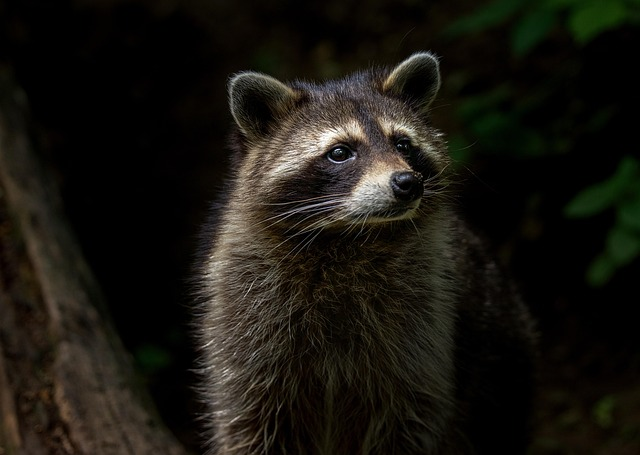
It’s no fun to hear insects scratching in the attic or rodents in the heaps of trash. Even though wild animals seem interesting, when they appear in our homes, they can cause serious problems. We need to be aware, keep the habit going, and apply the right methods to protect them.
Why Wild Animals Are Attracted to Homes
Fooling wild animals means providing them with the three most attractive things: food, shelter, and water. Your pets might be drawn to your trash cans, food served for animals, any compost you’re keeping, or your garden plants for food. Attics, sheds, or open crawl spaces give them a secure spot to raise their families.
An animal that spots good food or safe shelter tends to come back again. If word spreads around your home—through scent trails or sounds—you could be dealing with a huge invasion in no time.
Inspect and Secure Your Property
Walk through each part of your house and search for any opening. Just a hole as wide as a golf ball can let rodents or snakes into your area. Seal off:
- Flaws in the support beneath the floor
- Sites near pipes or vents
- Breaks in the wood around window and door frames
If the problem continues and you aren’t certain where the animals are entering the house, seeking expert advice is a smart decision at this phase. Using humane animal trapping & removal services lets you deal with the problem without hurting either wildlife or people.
Be Mindful with Trash and Food Storage
Your garbage might attract all kinds of wildlife to your yard. Therefore,
- Close the lids securely and keep your bins made of long-lasting material.
- Whenever you can, keep rubbish inside until the garbage pickup day.
- Don’t make the mistake of leaving food for pets outside overnight.
The presence of squirrels, raccoons, or bears can be encouraged by bird feeders. Store your compost in sealed containers and avoid adding meat or oily foods that make bad smells.
Keep Your Yard Clean and Less Inviting
Yards full of junk can give insects a great spot to hide. Therefore:
- Everything made of wood, brush, or leftover foods should be either cleaned up or carefully stored.
- If you plant vegetables or fruits, pick them when they are ripe.
- Drive away animals that can soon find food in the unpicked or fallen items on your farm.
Make sure you keep your aquatic features well-maintained. Standing water may bring insects and the animals that eat them.
Deal With Entry Swiftly
You can deal with entry swiftly by following these smart ways:
- When there are noises coming from your attic or you see droppings or chewed wires, don’t hesitate to call for help.
- Animals living in inaccessible areas may chew wire, damage them, spread diseases, or result in a fire.
- If everything goes smoothly at the start, you might be okay with DIY, but if the situation gets tough or if the animal is big or unsafe, call a professional instead.
Prevention Is an Ongoing Process
A single solution does not last long, therefore prevention becomes imperative at a stretch.
- Any seasonal change, nearby construction or alterations in your plants and trees can have an effect on wildlife in your area.
- Make checking your facility a routine activity. Watch for changes and act fast when you notice them.
- Don’t be concerned about being near wildlife.
If you follow certain precautions, you’ll avoid finding pests indoors.
You need to be organized and committed to keep wild animals from coming to your property. Aim to reduce things the pests like, block their way in, and deal with the problem immediately when you notice it. This allows your home to be safe for everyone involved.



Leave a Reply