Food security remains of top importance.
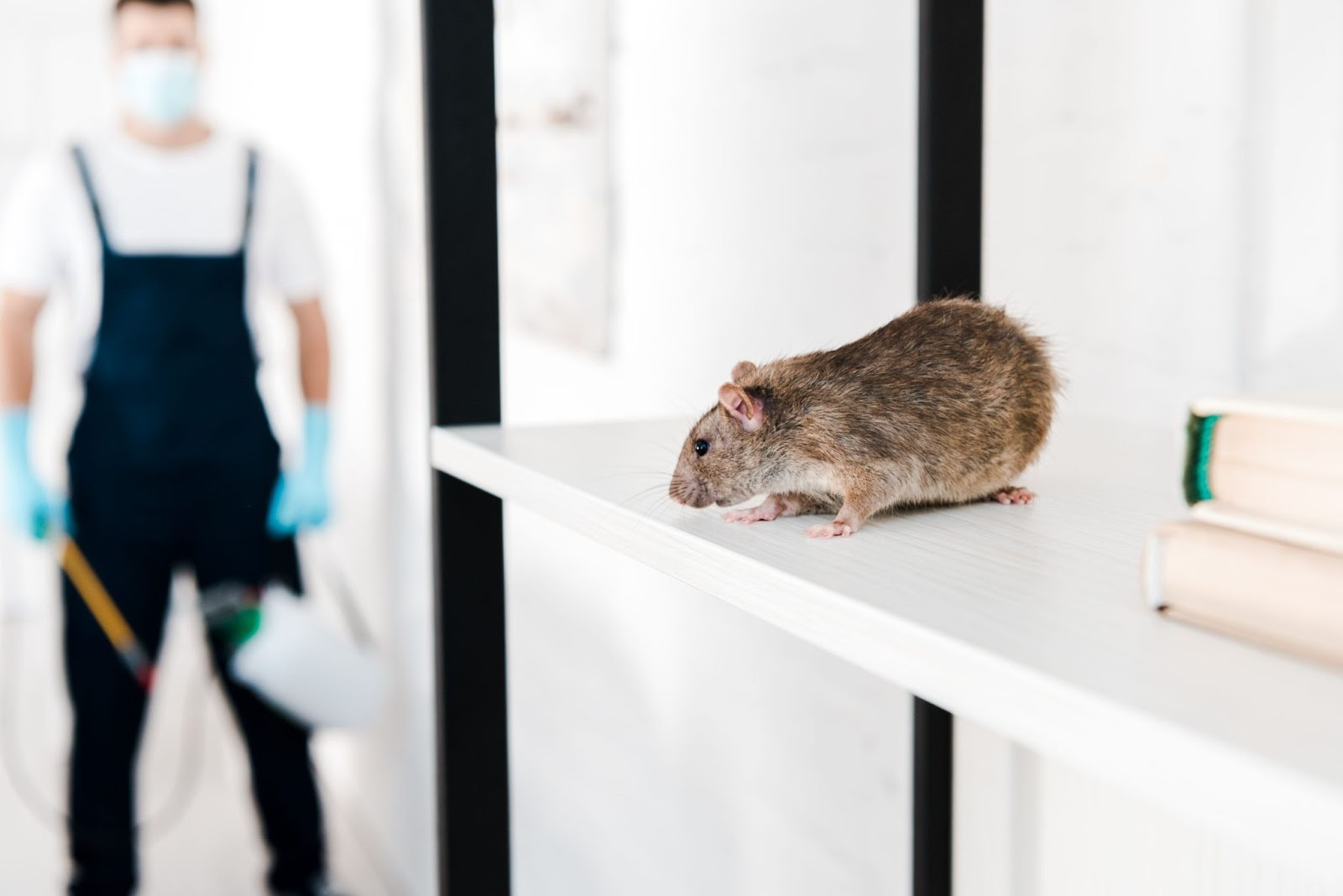
Rodent infestation in food and restaurant industries poses both a nuisance and direct health threat, endangering both public health and business reputations and compliance regulations. Rats, mice, and other insects pose a direct threat to public health by spreading diseases through contamination of the food supply; damaging buildings through damage repair bills; incurring heavy inspection fees from health inspectors; as well as incurring harsh penalties from health inspections for inspection violations resulting from inspection failures imposed during routine checks for health inspections. The best Dover pest control services for cafes, restaurants, bakeries, caterers, and processing facilities where rodent control must be handled efficiently for compliance and to be effective.
Food environments pose particular rodent risks.
Rodents can carry many pathogens that can be problematic including leptospirosis, salmonellosis, typhoid and plague; their saliva, droppings or urine can contaminate food preparation surfaces and equipment in food stores or restaurants. Rodents can also cause fires as a result of damaged packaging or damaged water pipes or damaged electrical wires they chew on, which can result in the shut down of restaurants, spoil the companies reputation or create very large financial losses.
All legislation must be followed.
National and international health agencies demand compliance in pest management in restaurants. For example, the Punjab Food Authority (PFA) in Pakistan requires restaurants and food service businesses provide proof of a pest-management plan that meets “approved” criteria (i.e., routine inspections, prevention slight treatment, treatment traceability, and proper documentation) in which businesses that fail compliance may face an administrative closing or fines for noncompliance. Compliance with an international standard such as Codex Alimentarius or European Regulation 852/2004 will build on health and hygiene regulations.
Specialized professional services
Faced with these challenges, specialist companies provide pest control solutions designed specifically for the food industry’s needs. These companies can be located in hotels, restaurants, bakeries, and cafes, as well as locker rooms and warehouses providing custom plans. The process usually begins with a complete assessment of a facility to evaluate entry points, risks, and indicators of activity that lead to an infestation. A plan of action is developed with both remedial practices, like baits or repellents, and preventative methods (sealing, cleaning, and training or educating employees).Apex Core Enterprises operates throughout Pakistan in Lahore, Islamabad, and Rawalpindi to offer pest control solutions specifically targeted towards hotels and restaurants. They employ certified non-toxic products designed for food environments while offering treatments at night (until 10 p.m.) in order to safeguard business operations without interruptions.
Innovative and sustainable methods
Today’s methods of rodent control service Dover and management goes well beyond the traps and poisons that were used back in the day; the use of specialized companies is popular because they have developed different methods and sustainable strategies that employ electronic traps, motion sensing, surveillance cameras, and detection systems that identify and assess rodents quickly so remediation measures can be implemented, with herbal repellents, natural remedies, and nontoxic treatments growing in popularity in food laboratories and kitchens requiring a little extra deterrent.
Certain companies are turning to IPM strategies that combine biological control and staff education in order to reduce chemical usage while simultaneously decreasing environmental impact, providing long-term efficiency benefits, and being suitable for businesses committed to meeting both their environmental and social obligations. These techniques may be particularly suitable for businesses wishing to meet both obligations.
Documentation and Traceability Obligatory Under Law
Facilities looking to pass health inspections must provide proof that their management team is committed. Specialist companies offer reports of intervention as well as compliance certificates, treatment plans, and monitoring logs—essential documents that meet inspector demands while reassuring clients about management rigor and meeting compliance standards. In addition, the documentation can aid in detecting hazards, reviewing measures in place and maintaining a high standard of cleanliness.
Staff awareness and training
Staff awareness is a key part of an effective pest control approach, as staff should be aware of how to identify the early signs of infestation, how to report irregularities, and what preventative actions can be taken, particularly needless cleaning in high-risk areas and the correct storage of food and disposal of waste and adherence to hygiene procedures. Such companies, which specialise in this also offer awareness training, education materials including posters and manuals designed for use with teams and to promote a healthy lifestyle.
Long-term prevention: an effective strategy
Pest control should not only be used as an immediate reaction but rather should be an ongoing and preventive strategy. Food businesses should incorporate pest control into their quality policy, HACCP plan, risk management plan, and annual inspection plan as part of an integrated risk management approach that also includes an ongoing relationship with certified service providers, and continuous identification of any changes to the regulatory environment. Moreover, preventive investments in pest management initiatives will eliminate costs associated with pest infestations while safeguarding their brand and ensuring product safety.
In a nutshell hygiene, safety and image.
Pest control for the food and beverage industry is not just a maintenance issue; it is an essential element of food safety, compliance and consumer confidence. Food businesses and restaurants should have nothing but confidence in their pest control management program through the use of specialist service providers who carry out their work quietly, maintain compliance, and keep all insect activity away from any public space.If they implement an integrated modern, innovative, and sustainable plan to rid themselves of unwanted guests, they can ensure an environment that is healthy for all their employees and guests alike. Now more than ever before, pest control should be an integral component of any business concerned about quality as well as sustainability.




Leave a Reply