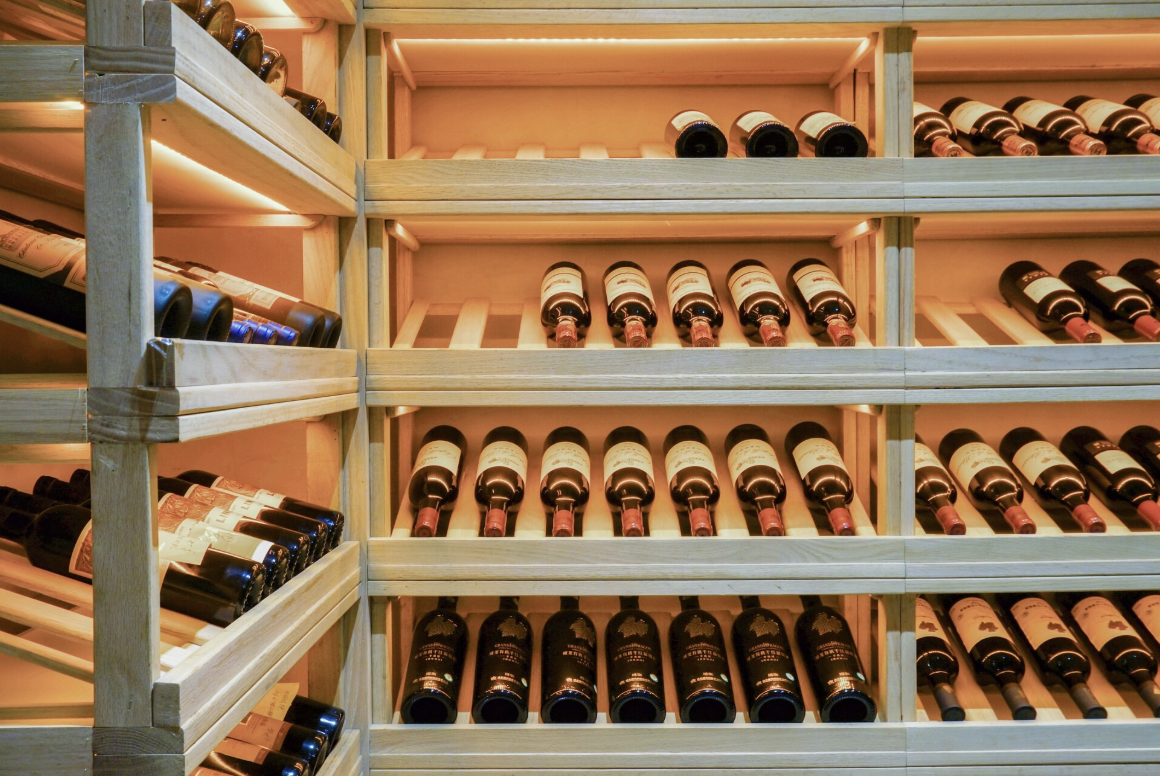
When considering home improvements that combine luxury with practicality, wine cellars often spark debate among homeowners and investors. While some view them as extravagant additions with questionable returns, the data tells a different story. Wine cellars represent one of the few home improvements that can deliver both personal enjoyment and substantial financial returns, making them a compelling investment for the right homeowner in the right market.
The wine cellar market has evolved dramatically over the past decade. What was once considered an amenity reserved exclusively for the ultra-wealthy has become increasingly accessible to upper-middle-class homeowners who appreciate fine wine and understand the investment potential.
This shift has been driven by changing consumer preferences, improved construction techniques, and a growing recognition of wine as both a collectible asset and a lifestyle enhancement.
The Numbers Don’t Lie: Strong ROI Potential
The return on investment for wine cellars has proven surprisingly robust across multiple market studies. According to top luxury real estate agents, well-designed wine cellars can return 50%–100% of their cost in resale value, depending on the market and installation quality. Additionally, homes with wine cellars net a 31% premium according to a Zillow survey.
These figures represent some of the strongest home improvements that increase home value. To put this in perspective, most kitchen renovations return 60-80% of their investment, while bathroom remodels typically return 50-70%. Wine cellars, when properly executed, consistently outperform many traditional home improvements.
With proper maintenance, you can expect a return on investment of 15%-20% when selling your home. In fact, according to MarketWatch, homes with wine cellars can sell as much as 31% more than similar properties without them. This premium reflects not just the functional value of wine storage, but the lifestyle statement that a well-designed cellar makes to potential buyers.
The key to achieving these returns lies in understanding that wine cellars appeal to a specific but substantial market segment. 31% of homeowners with an annual income of more than $150,000 rate a wine cellar as their most desired home amenity. This demographic represents a significant portion of luxury home buyers, ensuring strong demand for properties with quality wine storage.
Market Demand and Buyer Psychology
Wine cellars tap into several powerful psychological factors that influence buyer behavior in the luxury market. They represent sophistication, discernment, and a refined lifestyle that appeals to affluent buyers. Beyond the psychological appeal, they solve practical problems for wine enthusiasts who want to properly store and age their collections.
About 45% of affluent homebuyers express interest in homes with wine storage capabilities, creating a substantial pool of potential buyers who will pay premium prices for this amenity. This interest extends beyond serious collectors to include casual wine enthusiasts who appreciate the convenience and prestige of having a dedicated wine space.
The differentiation factor cannot be overstated. A well-designed wine cellar can be a selling point that differentiates your home from similar properties, leading to faster sales and potentially higher offers. In competitive real estate markets, unique amenities like wine cellars can be the deciding factor that leads buyers to choose one property over another.
Wine cellars also appeal to buyers’ investment mentality. Many affluent homeowners view fine wine as an alternative asset class, similar to art or classic cars. Having proper storage allows them to build and maintain wine collections that can appreciate over time, making the cellar both a lifestyle amenity and an investment tool.
Beyond Financial Returns: The Lifestyle Value Proposition
While ROI numbers are compelling, the true value of a wine cellar often extends beyond pure financial metrics. Wine cellars create entertainment spaces that can transform how homeowners interact with guests and family. They provide opportunities for wine education, tasting events, and intimate gatherings that create lasting memories and strengthen social connections.
For serious collectors, proper wine storage is essential for protecting investments in fine wine. Bottles that cost hundreds or thousands of dollars require specific temperature and humidity conditions to maintain their quality and value. A professional wine cellar provides this protection while making collections easily accessible for enjoyment or evaluation.
The educational aspect shouldn’t be overlooked either. Wine cellars often become focal points for learning about different regions, vintages, and varietals. They encourage exploration of new wines and deeper appreciation for the craft of winemaking. This educational component adds intangible value that enhances the overall home experience.
Geographic Considerations and Market Dynamics
Wine cellar ROI varies significantly based on geographic location and local market conditions. Coastal markets with higher concentrations of affluent buyers typically see stronger returns than inland or rural markets. Areas with established wine cultures, such as California, New York, and certain parts of Colorado, tend to have buyers who better appreciate and are willing to pay for quality wine storage.
For homeowners in regions like Colorado, where wine appreciation is growing rapidly, custom wine cellars Fort Collins CO installations can provide particularly strong returns. The combination of an affluent population, growing wine culture, and relatively limited supply of homes with quality wine storage creates favorable conditions for wine cellar investments.
Climate also plays a role in ROI calculations. Areas with extreme temperature variations benefit more from climate-controlled wine storage, making cellars more valuable to local buyers who understand the challenges of wine storage in challenging climates.
Design Quality and Installation Considerations
The quality of wine cellar design and installation significantly impacts both enjoyment and ROI. Professional installations that include proper insulation, climate control, and attractive storage solutions typically deliver better returns than DIY projects or budget installations.
Key design elements that maximize value include:
Climate Control Systems: Proper temperature and humidity control is essential for both wine preservation and buyer confidence. Systems should maintain temperatures between 50-59°F with 50-70% humidity.
Insulation and Vapor Barriers: Professional-grade insulation prevents energy waste and ensures consistent conditions. This technical competence reassures buyers about the cellar’s functionality.
Storage Flexibility: Modular racking systems that accommodate different bottle sizes and allow for collection growth appeal to buyers with varying needs.
Aesthetic Appeal: Wine cellars should be visually impressive spaces that showcase collections attractively. This includes proper lighting, attractive materials, and thoughtful layout.
Security Features: High-value wine collections require appropriate security measures, including locks, alarms, and inventory management systems.
Cost Considerations and Budget Planning
Wine cellar costs vary dramatically based on size, location, and finish quality. Basic conversions of existing spaces might cost $15,000-$30,000, while elaborate custom cellars can exceed $100,000. The key is finding the right balance between investment level and expected returns.
Most experts recommend spending no more than 10-15% of home value on a wine cellar to ensure positive ROI. This guideline helps prevent over-improvement while ensuring adequate quality to attract buyers. In luxury markets, this percentage can be higher due to buyer expectations and competition.
When budgeting, consider ongoing costs including electricity for climate control, maintenance, and potential upgrades. These operating costs are typically modest but should be factored into long-term value calculations.
Integration with Overall Home Design
Successful wine cellars integrate seamlessly with overall home design and lifestyle patterns. Cellars located near dining areas, kitchens, or entertainment spaces tend to be more functional and appealing to buyers. Poor locations, such as isolated basements or inconvenient spaces, can limit both enjoyment and resale value.
The best wine cellars feel like natural extensions of living spaces rather than afterthoughts. They should complement architectural styles and flow logically with traffic patterns. Glass walls or windows can showcase collections while maintaining proper storage conditions.
Technology and Modern Features
Contemporary wine cellars increasingly incorporate technology that enhances both functionality and appeal. Inventory management systems, remote monitoring, and smart climate controls add convenience and peace of mind. These features particularly appeal to tech-savvy buyers who appreciate integrated home systems.
LED lighting systems provide attractive display options while generating minimal heat. Some installations include tasting areas with specialized ventilation, sinks, and storage for glasses and accessories. These multi-functional spaces increase utility and buyer appeal.
Market Trends and Future Outlook
Several trends support continued strong demand for wine cellars. The growing interest in wine as an alternative investment has created more collectors who need proper storage. Younger affluent buyers often view wine cellars as desirable lifestyle amenities rather than pretentious luxuries.
The rise of wine collecting among women has expanded the market beyond traditional demographics. Many female collectors appreciate the organizational and aesthetic aspects of wine cellars, leading to increased demand for attractive, functional designs.
Remote work trends have also increased interest in luxury home amenities. As people spend more time at home, features like wine cellars that enhance entertainment and lifestyle become more valuable.
Professional vs. DIY Considerations
While some homeowners consider DIY wine cellar projects to save money, professional installations typically deliver better ROI. Proper climate control, insulation, and electrical work require specialized knowledge that most homeowners lack. Mistakes in these areas can damage wine collections and reduce property value.
Professional installers also understand local building codes, permit requirements, and best practices for different climates and home types. They can recommend appropriate solutions for specific situations and ensure installations meet buyer expectations.
The peace of mind that comes with professional installation and warranties also appeals to potential buyers who want assurance that wine storage systems will function properly.
Conclusion: A Worthwhile Investment for the Right Homeowner
Wine cellars represent a unique home improvement opportunity that combines personal enjoyment with strong financial returns. The data clearly shows that well-designed wine cellars in appropriate markets can deliver ROI that matches or exceeds traditional home improvements while providing lifestyle benefits that extend far beyond financial considerations.
The key to success lies in understanding your market, investing appropriately for your home’s value, and working with qualified professionals to create functional, attractive storage solutions. For homeowners who appreciate wine and live in markets with affluent, educated buyers, wine cellars offer compelling value propositions.
While not every homeowner should invest in a wine cellar, those who fit the right profile can expect to enjoy both immediate lifestyle benefits and strong returns when they eventually sell. As wine appreciation continues to grow and luxury home buyers seek unique amenities, properly designed wine cellars will likely continue delivering strong ROI for discerning homeowners.
Image: https://www.freepik.com/free-photo/cellar-with-bottles_947852.htm




Leave a Reply