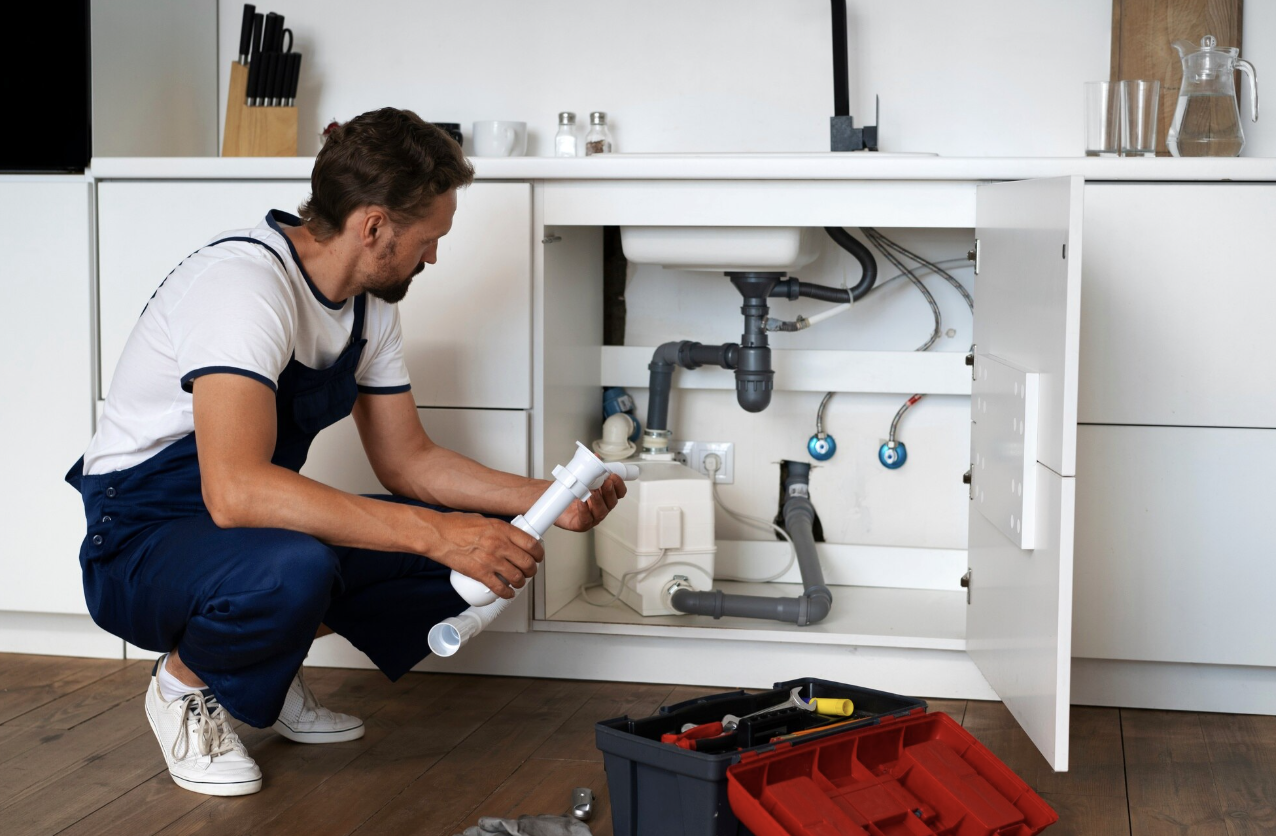
Many homeowners struggle to know when a plumbing issue is serious enough to call for emergency help. A dripping faucet can wait until morning, but a burst pipe flooding your kitchen cannot. Understanding the difference saves time, money, and prevents property damage.
When something unexpected happens, knowing when to call the best plumbing contractor in Boulder CO makes all the difference between a quick fix and a major repair bill.
What Makes a Plumbing Issue an Emergency
A plumbing emergency is any situation that threatens your property, safety, or health if not fixed immediately. These issues often involve water leaks, clogs, or failures that interrupt essential systems like drainage or heating.
The key difference between a regular and an emergency plumbing problem is urgency. If delaying repairs could cause water damage, sewage backup, or health risks, it’s an emergency.
Plumbing emergencies require professional attention right away, even outside normal business hours. Emergency plumbers are trained to respond fast and limit further damage.
Common Plumbing Emergencies
Some problems look small at first but quickly escalate. Here are the most common cases where you should call for immediate help:
- Burst Pipes
A burst pipe releases gallons of water in minutes. It can flood floors, walls, and ceilings, causing structural damage. Shut off your main water valve and call a plumber immediately. - Sewage Backup
When wastewater backs up into sinks, tubs, or toilets, it signals a blockage in your main sewer line. This is dangerous because it exposes your home to bacteria and contaminants. - No Water Supply
If your taps stop working suddenly, it may be more than a local water issue. Burst underground pipes, leaks, or valve failures can cut off water flow completely. - Overflowing Toilet
A clogged or malfunctioning toilet can overflow and cause water damage. If plunging doesn’t fix it quickly, shut off the water and call a plumber. - Gas Leaks
Some plumbing companies also handle gas lines. If you smell gas or hear hissing near your gas meter, leave the area immediately and contact professionals or emergency services. - Water Heater Failure or Leak
A leaking water heater may lead to flooding or electrical hazards. No hot water also indicates a system malfunction that requires prompt attention. - Frozen Pipes
In cold weather, frozen pipes block water flow and risk bursting once they thaw. This needs urgent treatment to prevent severe leaks.
Each of these situations requires fast response to protect your home and health. Waiting too long often means higher repair costs and more damage.
Problems That Are Not Usually Emergencies
Some issues feel inconvenient but don’t require immediate service. These can often wait for regular business hours:
- Slow drains
- Minor faucet leaks
- Running toilets
- Low water pressure
- Small pipe drips under the sink
These problems still need repair, but they don’t pose an immediate threat. Scheduling an appointment during the day usually saves money, since emergency calls often cost more.
Why Homeowners Confuse Regular and Emergency Plumbing
Many people mistake minor plumbing issues for emergencies because the symptoms look similar. For example, a clogged drain may seem severe if it causes water backup. But if only one fixture is affected, it’s likely a local clog, not a system failure.
The confusion also comes from lack of experience. Homeowners often react to the first sign of trouble without assessing the risk.
A simple rule helps: if the problem causes flooding, health hazards, or loss of essential utilities (water, heat, or gas), it’s an emergency. If it’s limited to inconvenience or small leaks, it’s not.
Immediate Steps to Take During a Plumbing Emergency
Before the plumber arrives, you can minimize damage by following a few quick steps:
- Turn Off the Main Water Valve
This stops water flow and prevents further flooding. Know where your valve is located, usually near the water meter or main line entry. - Shut Off Electrical Power Near the Affected Area
If water touches outlets, appliances, or cords, turn off the power at the circuit breaker to prevent electric shock. - Clear the Area
Move furniture, rugs, and electronics away from the leak. This limits property damage. - Contain Water with Towels or Buckets
Use what you have to absorb or collect leaking water while waiting for help. - Avoid Using Fixtures
Don’t run sinks, showers, or toilets connected to the affected area. This prevents additional strain on the system. - Call a Professional Plumber
Contact a licensed expert who handles emergency services. Explain the issue clearly so they bring the right tools and replacement parts.
Taking these steps keeps your home safe and helps plumbers fix the issue faster when they arrive.
How Plumbers Handle Emergencies
Emergency plumbers focus on stabilizing the situation first. They locate the source of the problem, stop leaks, and assess water or structural damage.
For example:
- With a burst pipe, they replace the damaged section and test for hidden leaks.
- For sewage backup, they inspect main lines and clear obstructions using hydro-jetting or specialized equipment.
- In case of no water, they check valves, connections, and underground lines to restore flow.
After the immediate fix, they recommend follow-up repairs or upgrades to prevent recurrence. A reputable company documents the work and provides a clear estimate before continuing major repairs.
Cost Differences Between Regular and Emergency Plumbing
Emergency services cost more because plumbers work outside normal hours and respond immediately. According to Forbes Home (2024), average emergency plumbing rates range from $150 to $350 per hour, depending on location and severity.
While it’s tempting to wait for normal rates, delaying emergency repairs usually increases total costs. Water damage restoration, mold removal, and floor replacement often exceed the price of immediate service.
Regular plumbing appointments cost less because they involve scheduled work and predictable labor hours. Knowing when a problem is urgent helps you manage costs wisely.
How to Prevent Plumbing Emergencies
Many emergencies result from neglect or lack of maintenance. Regular inspection reduces the risk of sudden failures. Here are some preventive steps:
- Check pipes for leaks or corrosion every few months.
- Drain and flush your water heater yearly to remove sediment buildup.
- Avoid pouring grease, oil, or coffee grounds down drains.
- Use drain covers to catch hair and debris.
- Insulate exposed pipes during winter.
- Replace old rubber washers or seals before they fail.
Preventive maintenance helps you detect early signs of trouble. Schedule yearly inspections with a licensed plumber to keep your system in good condition.
When to Call an Emergency Plumber Immediately
Call emergency plumbing services without delay if:
- Water is flooding inside your home.
- You smell gas or suspect a gas leak.
- Sewage is backing up through drains or toilets.
- You have no access to running water.
- The water heater is leaking heavily or making loud noises.
In these cases, waiting puts your home and health at risk. Trained plumbers handle emergencies safely and restore systems quickly.
Choosing the Right Emergency Plumbing Contractor
Not every plumber offers 24-hour service. When selecting one, look for:
- Licensing and insurance – ensures safety and accountability.
- Local experience – familiarity with building codes and local systems.
- Availability – ability to respond at any hour.
- Transparent pricing – clear estimates before work begins.
- Positive reviews – proof of reliability and skill.
A trusted company provides consistent service whether it’s a minor fix or a major emergency. Building a relationship with one plumber helps ensure fast response when problems arise.
Final Thoughts
Knowing what qualifies as a plumbing emergency saves time, money, and stress. Burst pipes, sewage backups, and gas leaks demand immediate attention. Slow drains or minor leaks, on the other hand, can wait for regular service.
When in doubt, call a professional for advice. Quick assessment prevents damage and restores comfort faster. If you want reliable, fast, and expert service during urgent situations, contacting the best plumbing contractor in Boulder CO ensures your home receives professional care when it matters most.


Leave a Reply