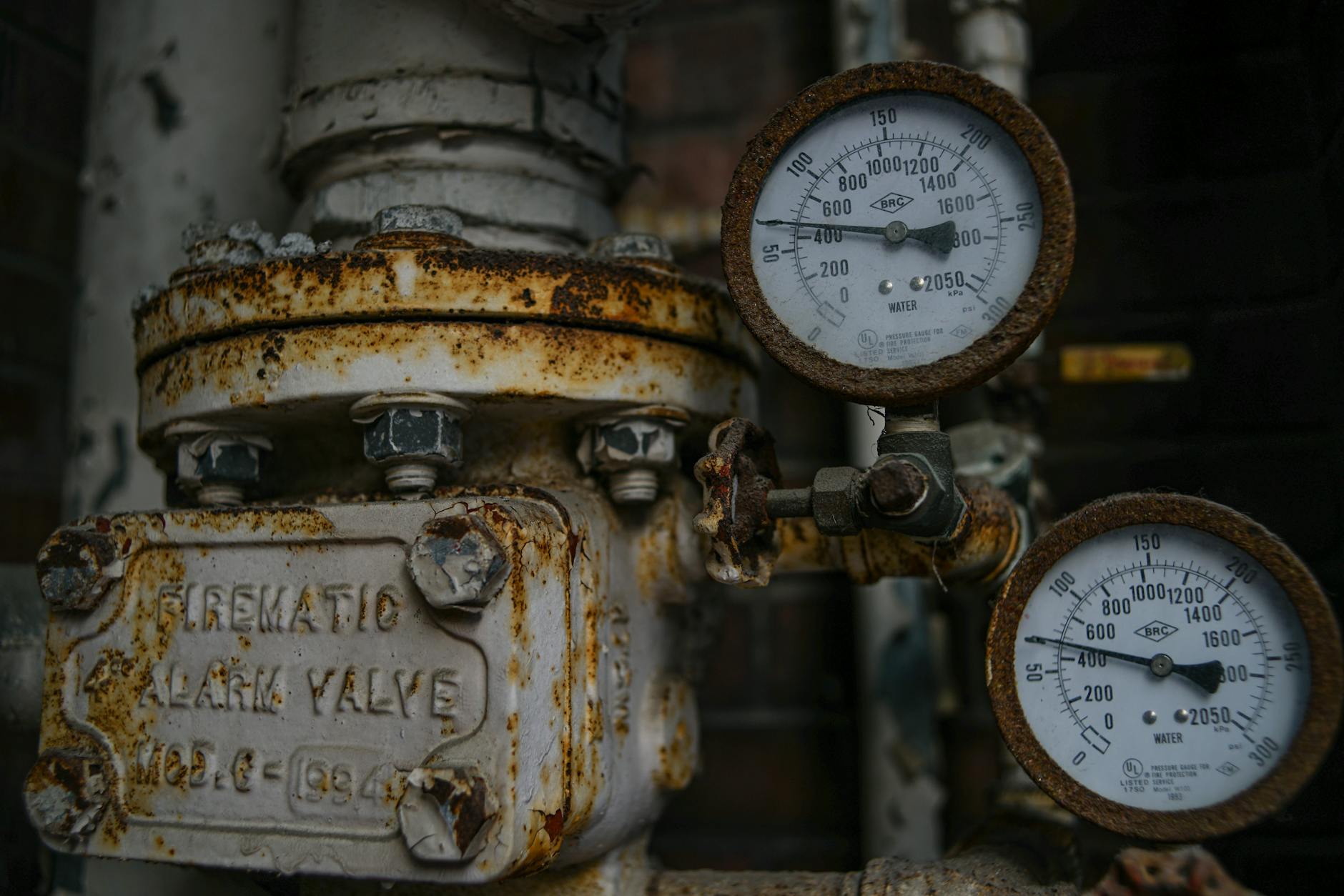
Boilers are among the most dependable and efficient heating systems available for homes. Whether they use gas, oil, or electricity, they provide steady, even warmth that makes winter months much more comfortable. However, like all mechanical systems, boilers require consistent attention to stay in peak condition. Ignoring minor issues can lead to breakdowns, reduced efficiency, or even safety hazards. That’s why timely boiler repair and preventive maintenance are essential for long-term reliability.
Many homeowners assume that as long as their boiler produces heat, everything is fine—but subtle performance changes can indicate developing problems. By understanding what to look for and scheduling regular inspections with trusted professionals like Climate Systems Air Conditioning & Heating, you can keep your boiler operating safely and efficiently year after year.
How Boilers Work
A boiler heats water and distributes it throughout your home via radiators or underfloor heating systems. The heated water or steam travels through pipes to deliver warmth evenly. Because boilers use radiant heat rather than forced air, they create a more consistent and comfortable indoor climate.
Unlike furnaces, which rely on ductwork, boilers operate as closed-loop systems. This design minimizes heat loss and offers improved energy efficiency. However, the complexity of boiler components—such as pumps, valves, and heat exchangers—means that even minor issues can disrupt overall performance.
Common Signs You Need Boiler Repair
Most boiler problems develop gradually, so recognizing early warning signs is key to preventing major malfunctions. If you notice any of the following symptoms, it’s time to call for professional boiler repair:
- Uneven heating: Some rooms are warmer than others, indicating circulation issues or trapped air in the system.
- Unusual noises: Banging, gurgling, or whistling sounds can result from mineral buildup or failing pumps.
- Leaks or water stains: Any moisture around the boiler should be investigated immediately to prevent corrosion or pressure loss.
- Fluctuating pressure: Low pressure reduces efficiency, while high pressure can strain components.
- Increased energy bills: A sudden rise in heating costs may signal inefficiency or malfunctioning parts.
Prompt action helps maintain safety, efficiency, and comfort—avoiding more expensive repairs down the road.
The Importance of Regular Maintenance
Preventive maintenance is the best way to keep your boiler in top shape. Annual servicing ensures all components are clean, calibrated, and working correctly. Technicians inspect seals, test safety controls, and flush the system to remove sediment and scale buildup.
Regular maintenance also extends the lifespan of the boiler by reducing wear and tear. Well-maintained units can last 15 to 20 years or more, while neglected systems may fail much sooner. Routine care from professionals at Climate Systems Air Conditioning & Heating ensures that your system continues to deliver safe and efficient performance throughout its service life.
The Role of Water Quality in Boiler Health
Water quality directly impacts your boiler’s efficiency and durability. Hard water, which contains high levels of minerals like calcium and magnesium, can lead to scaling inside the heat exchanger. This buildup reduces heat transfer, forcing the boiler to work harder and consume more energy.
Installing a water softener or using descaling treatments during maintenance helps mitigate this issue. Maintaining proper water chemistry ensures consistent operation and prevents damage that could require costly boiler repair later.
Energy Efficiency and Modern Boiler Technology
If your boiler is more than 10–15 years old, it may be operating at a lower efficiency compared to modern models. Older systems typically convert 70–80% of energy into usable heat, while today’s high-efficiency boilers can achieve ratings of 90% or higher.
Upgrading to a condensing boiler, which recovers heat from exhaust gases, can significantly reduce energy consumption. Modern controls and smart thermostats also help optimize performance, adjusting output to meet real-time demand.
Even with newer technology, regular maintenance remains essential to preserving efficiency and protecting your investment.
The Safety Aspect of Boiler Maintenance
Boilers operate under pressure and use combustible fuels, which means safety is a top priority. A poorly maintained boiler can leak gas, emit carbon monoxide, or develop dangerous pressure levels. Regular inspections include testing for gas leaks, verifying ventilation, and ensuring that safety valves and flues are functioning correctly.
Carbon monoxide detectors should be installed near the boiler and in adjacent living areas. These inexpensive devices provide an added layer of protection for your family’s safety.
Troubleshooting Common Boiler Issues
While some minor issues can be addressed by homeowners—like resetting the thermostat or bleeding radiators—most problems should be handled by professionals. Attempting DIY repairs can void warranties and lead to additional damage.
Common issues professionals can quickly resolve include:
- Pilot light failure or ignition problems.
- Circulation pump malfunctions.
- Faulty thermostats or pressure sensors.
- Airlocks in the system causing uneven heating.
Professional technicians have the expertise and diagnostic tools to identify problems accurately and restore functionality efficiently.
The Cost of Ignoring Boiler Issues
Delaying boiler repair in North Pittsburgh can lead to compounding damage. A small leak might corrode nearby components, while pressure fluctuations can weaken seals and joints. Over time, neglecting minor repairs can result in complete system failure—requiring expensive replacement.
In addition, an inefficient boiler consumes more fuel, driving up energy costs month after month. Addressing issues promptly ensures consistent performance and saves money in the long run.
When to Consider Boiler Replacement
Even with regular maintenance, boilers eventually reach the end of their service life. If your system frequently breaks down, takes longer to heat, or produces inconsistent temperatures, replacement may be the more economical choice.
Modern condensing boilers offer improved efficiency, lower emissions, and better control systems. A professional evaluation can help you determine whether upgrading would be more cost-effective than continued repairs.
Working With the Right Professionals
Choosing an experienced and reliable technician is critical to maintaining your boiler’s performance and safety. Professional service includes comprehensive inspections, precise adjustments, and honest recommendations.
When you work with a trusted company like Climate Systems Air Conditioning & Heating, you can count on certified technicians who understand all types of boilers—gas, electric, and oil. Their attention to detail ensures that your system operates efficiently and safely throughout the year.
Conclusion
Your boiler is a vital part of your home’s comfort system, and keeping it in top condition requires regular care and timely intervention. Scheduling professional boiler repair and maintenance not only prevents breakdowns but also enhances safety and energy efficiency.
With expert service from Climate Systems Air Conditioning & Heating, homeowners can enjoy dependable warmth and peace of mind all winter long. Don’t wait for an issue to worsen—invest in maintenance and repairs that keep your system performing at its best for years to come.




Leave a Reply