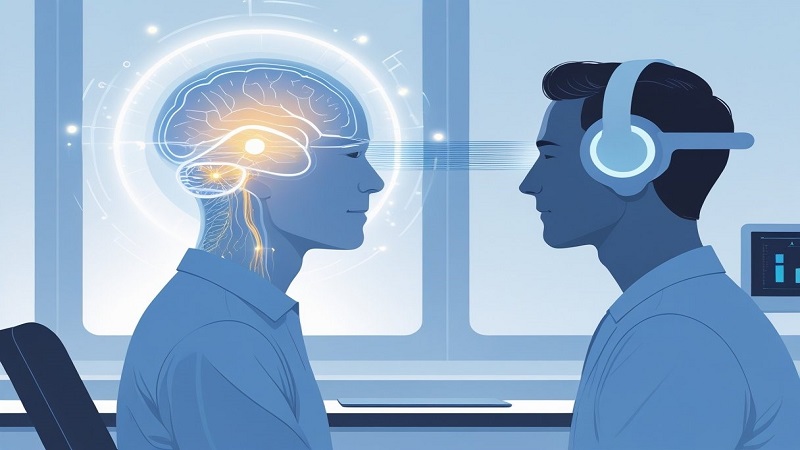
Transcranial Magnetic Stimulation (TMS) represents a significant advancement in non-invasive brain treatment, offering hope for individuals struggling with treatment-resistant depression and other mental health conditions. TMS therapy uses magnetic fields to stimulate specific nerve cells in targeted brain regions, particularly areas involved in mood regulation, without requiring surgery or direct electrical contact.
This FDA-approved treatment works by delivering brief magnetic pulses through an electromagnetic coil placed against the scalp. The magnetic fields penetrate the skull to reach brain tissue, influencing the natural electrical activity of neurons in areas such as the dorsolateral prefrontal cortex.
Understanding how TMS functions and its therapeutic applications can help patients and healthcare providers make informed decisions about treatment options. The therapy’s mechanism, clinical benefits, and potential side effects provide important context for anyone considering this innovative approach to mental health treatment.
How TMS Therapy Works
TMS therapy uses precisely targeted magnetic fields to stimulate specific brain regions through electromagnetic coils placed against the scalp. The treatment delivers controlled magnetic pulses that activate underactive neural pathways without requiring surgery or medication.
Understanding Transcranial Magnetic Stimulation
Transcranial magnetic stimulation operates as a non-invasive treatment that harnesses electromagnetic fields to influence brain activity. The therapy targets nerve cells in specific brain regions that show reduced activity in various mental health conditions.
During TMS therapy, practitioners position a specialized magnetic coil against the patient’s scalp. This coil generates controlled magnetic fields that penetrate the skull and reach targeted brain tissue beneath.
The magnetic fields create electrical currents within the brain tissue. These currents stimulate neurons in the targeted area, encouraging increased activity in regions that may be underperforming.
TMS represents a drug-free approach to brain stimulation. The treatment requires no anesthesia, surgical incisions, or systemic medications that affect the entire body.
Mechanism of Magnetic Pulses
The magnetic pulses generated during TMS therapy operate at specific frequencies and intensities. These electromagnetic fields penetrate approximately two to three centimeters into brain tissue.
When magnetic pulses reach neural tissue, they create localized electrical fields. These fields cause neurons to depolarize, triggering action potentials that propagate through connected brain circuits.
TMS treatment typically uses repetitive magnetic stimulation patterns. High-frequency stimulation generally increases neural activity, while low-frequency patterns tend to decrease activity in targeted regions.
The magnetic field strength used in TMS therapy ranges from 1.5 to 2.0 Tesla. This intensity allows the magnetic fields to effectively stimulate neurons while remaining safe for clinical use.
Each magnetic pulse lasts approximately 100-300 microseconds. The brief duration ensures precise control over neural stimulation without causing excessive activation of brain tissue.
Targeted Brain Regions
The prefrontal cortex serves as the primary target for TMS therapy in depression treatment. This brain region plays a crucial role in mood regulation and emotional processing.
Practitioners commonly focus on the dorsolateral prefrontal cortex. Research indicates this area shows decreased activity in individuals experiencing major depressive episodes.
TMS therapy aims to restore normal communication between different brain networks. The treatment helps reactivate neural pathways that connect mood-regulating regions throughout the brain.
Different mental health conditions require targeting specific brain areas:
- Depression: Left dorsolateral prefrontal cortex
- Anxiety disorders: Right prefrontal regions
- OCD: Supplementary motor area or orbitofrontal cortex
The precise positioning of the magnetic coil determines which brain regions receive stimulation. Practitioners use anatomical landmarks and sometimes brain imaging to ensure accurate targeting.
Typical TMS Session
A standard TMS session lasts approximately 20-40 minutes. Patients remain awake and alert throughout the entire treatment process.
The patient sits in a comfortable chair while the technician positions the magnetic coil against their scalp. The coil placement requires precise positioning based on individual brain anatomy.
During active stimulation, patients hear rapid clicking sounds from the magnetic coil. Many describe the sensation as light tapping on the scalp surface.
TMS therapy typically involves 30-36 treatment sessions over six to nine weeks. Most treatment protocols schedule five sessions per week during the initial phase.
Each session delivers thousands of individual magnetic pulses. The exact number depends on the specific treatment protocol and the condition being addressed.
Clinical Uses, Benefits, and Side Effects of TMS
TMS has received FDA approval for treating major depressive disorder and obsessive-compulsive disorder, with emerging applications for anxiety, PTSD, and other mental health conditions. The therapy demonstrates particular effectiveness for treatment-resistant depression while producing fewer side effects than traditional antidepressants.
FDA-Approved Indications
The FDA first approved TMS for major depressive disorder in 2008, specifically for patients who have not responded adequately to at least one antidepressant medication. This approval marked a significant advancement in treating treatment-resistant depression.
In 2018, the FDA expanded approval to include obsessive-compulsive disorder (OCD) treatment. The approval came after clinical trials demonstrated TMS’s effectiveness in reducing OCD symptoms when traditional therapies failed to provide sufficient relief.
The FDA requires specific protocols for these approved uses. Treatment typically involves daily sessions over 4-6 weeks for depression and longer courses for OCD.
Conditions Treated with TMS
Beyond FDA-approved indications, TMS shows promise for various mental health conditions. Anxiety disorders respond well to TMS therapy, particularly when combined with traditional treatment approaches.
PTSD treatment with TMS targets brain regions involved in trauma processing. Early research indicates positive outcomes for veterans and civilians with treatment-resistant PTSD symptoms.
Off-label applications include:
- Bipolar depression
- Chronic pain conditions
- Migraines
- Addiction disorders
These applications require specialized protocols and experienced practitioners to ensure safety and effectiveness.
Effectiveness and Treatment-Resistant Depression
TMS demonstrates significant effectiveness for treatment-resistant depression, with response rates between 50-60% in clinical studies. Approximately 30-40% of patients achieve complete remission of depressive symptoms.
The therapy works particularly well for patients who have failed multiple antidepressant trials. Studies show TMS can be effective even when patients have not responded to four or more different medications.
Treatment effects typically become noticeable after 2-3 weeks of daily sessions. The full course requires 20-30 treatments, with each session lasting 20-40 minutes.
Long-term studies indicate sustained improvement in many patients. Some individuals require maintenance sessions to prevent symptom recurrence.
Risks and Common Side Effects
TMS produces significantly fewer side effects compared to antidepressants and electroconvulsive therapy (ECT). Most adverse effects are mild and temporary, resolving quickly after treatment sessions.
Common side effects include:
- Headache (most frequent, affecting 23-50% of patients)
- Scalp discomfort at treatment site
- Facial muscle twitching during sessions
- Temporary fatigue
Headaches typically diminish within the first week of treatment. Over-the-counter pain relievers effectively manage most discomfort.
Serious risks remain rare but include seizures, occurring in less than 0.1% of patients. Hearing loss represents another uncommon risk, preventable through proper ear protection during sessions.
TMS solutions providers screen patients carefully to identify contraindications such as metallic implants near the head or history of seizure disorders.




Leave a Reply