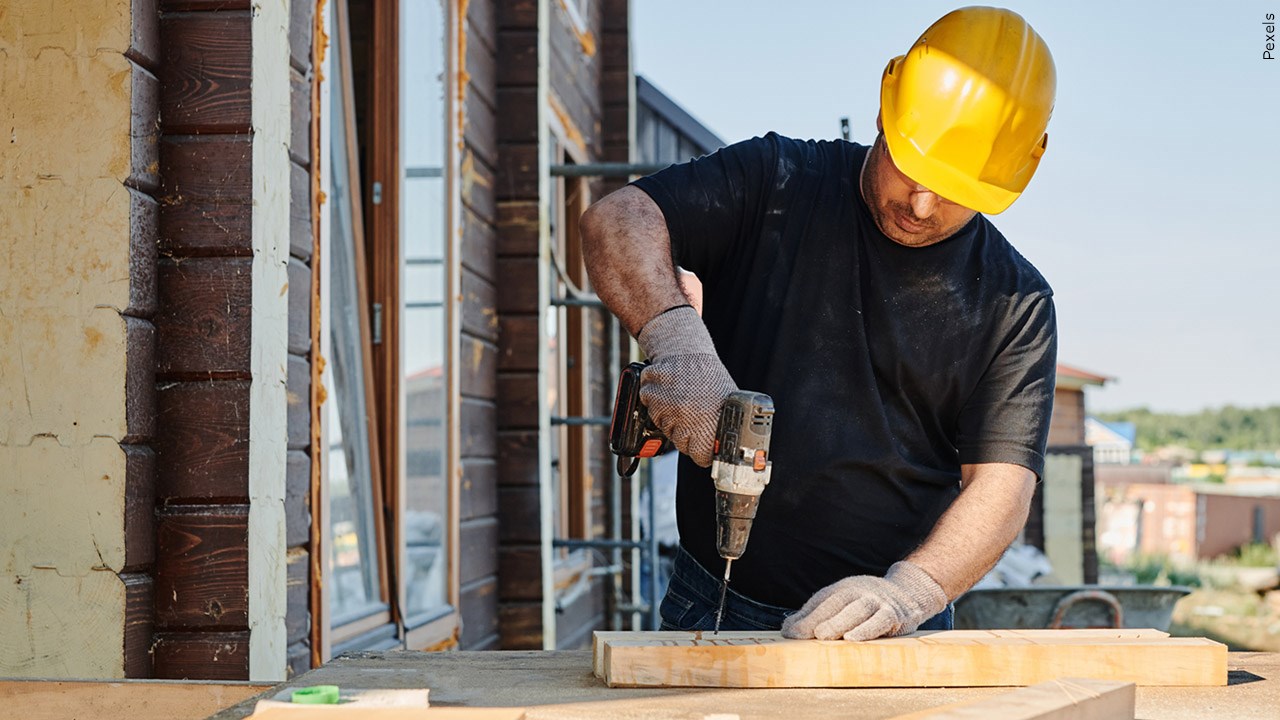
Smart construction is redefining how businesses plan, design, and deliver projects. From advanced digital modeling to artificial intelligence, today’s building strategies go far beyond bricks and mortar. Companies are leveraging emerging technologies to improve efficiency, strengthen safety standards, control costs, and create more engaging spaces.
Below is a closer look at the most influential smart construction trends transforming the industry today.
Creating Spaces That Engage the Senses
Modern commercial buildings are no longer designed solely for function. Offices, retail centers, hospitality venues, and mixed-use developments are increasingly focused on creating immersive, sensory experiences.
Lighting, materials, acoustics, airflow, and spatial flow are carefully considered to influence how people feel within a space. Natural light integration, sound-dampening materials, and biophilic design elements—such as greenery and organic textures—are becoming standard in many projects.
Design features that once served only practical purposes are now part of a broader aesthetic strategy. Glass railings, illuminated barriers, and architectural accents combine safety with visual appeal. These features enhance openness, increase light diffusion, and contribute to a modern, high-end look. When a project calls for curved glass railing installation, Tenmar Contracting custom-fabricates curved glass stair panels to match the staircase radius so the line stays continuous while delivering code-compliant safety.
For businesses, this shift toward experiential design delivers measurable value. Employees often report higher satisfaction in thoughtfully designed offices, while retail customers are more likely to stay longer in visually engaging environments. In competitive markets, experience-driven design can become a powerful differentiator.
Artificial Intelligence and Machine Learning on the Job Site
Artificial intelligence (AI) and machine learning (ML) have rapidly moved from experimental tools to practical construction assets. These technologies are helping companies analyze massive amounts of project data and make faster, more informed decisions.
AI is increasingly used for:
- Safety monitoring: Systems can analyze images from cameras to detect unsafe behavior or missing personal protective equipment (PPE).
- Risk prediction: Algorithms evaluate historical data to anticipate delays, cost overruns, or material shortages.
- Generative design: AI software can produce multiple structural or layout options based on defined constraints, helping architects and engineers optimize designs.
- Predictive maintenance: Machine learning tools assess equipment performance and predict failures before they occur.
Rather than replacing human expertise, AI enhances it. Project managers gain insights that would otherwise take weeks of manual analysis. Safety officers receive alerts in real time. Engineers can test more design possibilities in less time.
As data collection becomes more sophisticated, AI systems continue learning from ongoing projects, refining their recommendations and improving future performance.
Building Information Modeling (BIM) as a Core Standard
Building Information Modeling (BIM) has evolved into a foundational tool for construction firms. Once used by a small percentage of companies, BIM is now considered essential for modern project delivery.
At its core, BIM is a digital representation of a building’s physical and functional characteristics. It integrates multiple layers of data into a single 3D model, including:
- Structural and architectural details
- Mechanical, electrical, and plumbing systems
- Scheduling timelines
- Budget and cost data
This integrated approach offers several advantages.
First, teams can visualize the entire project before construction begins. Conflicts between systems—such as ductwork intersecting with structural beams—can be identified and resolved early, reducing costly change orders.
Second, BIM improves collaboration. Architects, engineers, contractors, and stakeholders can access and update shared models in real time. This reduces miscommunication and streamlines decision-making.
Third, incorporating time and cost data into the model enables more accurate forecasting. Project managers can simulate schedule changes and understand their financial impact before implementing them.
As digital workflows become the norm, BIM is no longer a competitive advantage—it is an industry expectation.
Digital Twins: Real-Time Virtual Replicas
Among the most advanced innovations in construction is the use of digital twins. A digital twin is a dynamic, real-time virtual replica of a physical building or infrastructure project.
Unlike a static 3D model, a digital twin is continuously updated with live data from sensors embedded throughout the site. These sensors may track temperature, humidity, vibration, structural stress, and equipment performance.
The benefits are substantial:
- Scenario testing: Project teams can run “what-if” simulations to understand how design changes will impact cost, timeline, or structural performance.
- Lifecycle analysis: Digital twins allow stakeholders to evaluate long-term maintenance costs and energy efficiency before completion.
- Improved monitoring: Real-time data supports proactive problem-solving during construction and beyond.
Digital twins also play a significant role after a building is completed. Facility managers can monitor building systems, detect inefficiencies, and plan maintenance more effectively.
By linking BIM data with Internet of Things (IoT) sensor inputs, digital twins create a powerful feedback loop that improves both current and future projects.
Drones Transforming Site Oversight
Unmanned aerial vehicles, commonly known as drones, have become accessible and affordable tools for construction teams. High-quality drones are now available at relatively low cost, making them practical even for mid-sized firms.
Drones provide several important benefits:
- Real-time aerial imaging: Project managers can quickly assess progress without physically navigating large or complex sites.
- Improved documentation: High-resolution imagery helps track milestones and maintain visual records for reporting and compliance.
- Safety inspections: Drones can access hazardous areas—such as rooftops, tall structures, or unstable zones—without putting workers at risk.
- Surveying and mapping: Advanced drones equipped with photogrammetry software can generate accurate topographical maps and 3D site models.
This technology reduces time spent on manual inspections while enhancing accuracy and worker safety. In large infrastructure projects, drone imaging can save significant labor hours and provide clearer oversight.
Data-Driven Decision Making
Across all these technologies, one theme stands out: data is central to modern construction. Smart construction strategies rely on collecting, analyzing, and acting on real-time information.
Sensors, AI systems, BIM platforms, and drones all contribute to a growing ecosystem of digital intelligence. Instead of relying solely on experience and manual reporting, decision-makers can reference accurate, up-to-date metrics.
This data-driven approach supports:
- Better budget control
- Fewer scheduling delays
- Reduced safety incidents
- More efficient material usage
Over time, the accumulation of project data also improves forecasting. Companies can analyze past performance trends and refine their strategies for future developments.
Sustainability and Long-Term Efficiency
Although technology drives many smart construction trends, sustainability is equally important. Modern businesses are under pressure to reduce carbon footprints and improve energy performance.
Smart systems contribute to these goals by optimizing building orientation, material selection, and energy consumption modeling. Digital twins and BIM simulations allow teams to predict environmental impact before construction begins.
Energy-efficient lighting systems, smart HVAC controls, and automated building management systems further enhance sustainability once the structure is operational.
As environmental regulations tighten and clients prioritize green certifications, integrating sustainability into digital workflows becomes increasingly critical.
Conclusion
Smart construction trends are reshaping the building industry from foundation to finish. Experiential design is transforming how spaces feel and function. Artificial intelligence and machine learning are enhancing safety and efficiency. Building Information Modeling has become a core collaboration tool, while digital twins provide real-time insight into project performance. Drones and sensor technology further strengthen oversight and risk management.
Together, these innovations are helping businesses deliver projects that are safer, more cost-effective, and better aligned with modern expectations. As technology continues to evolve, companies that embrace smart construction strategies will be better positioned to compete in an increasingly complex and data-driven marketplace.




Leave a Reply