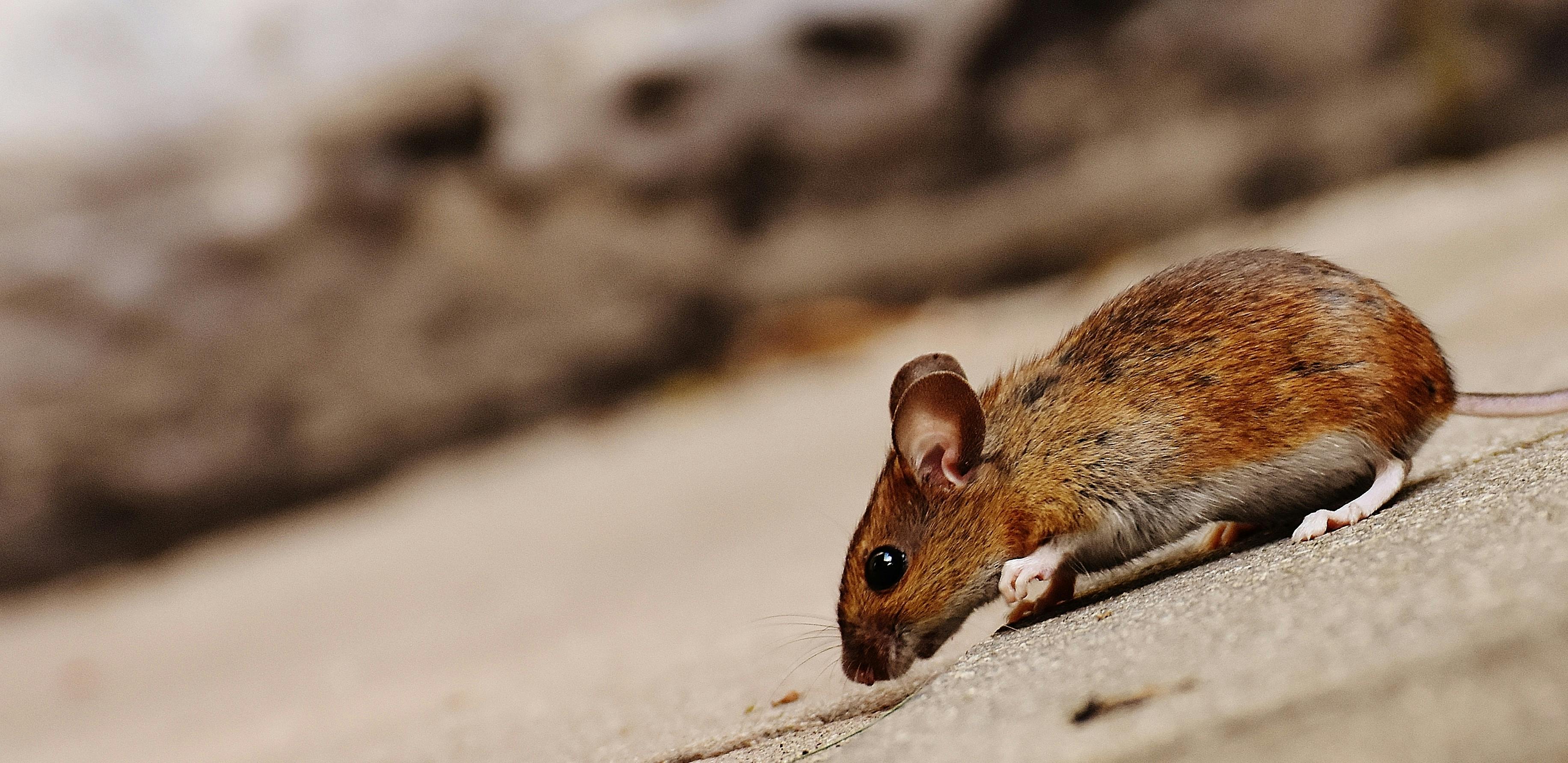
A home’s structural integrity depends on more than the visible components that form its walls and foundation. Hidden voids, utility penetrations, insulation gaps, and ventilation systems all play a role in keeping the structure secure. When these areas develop small openings, they may become access points for pests seeking shelter or food. Among the most persistent of these pests are mice, which can navigate extremely small gaps and exploit weaknesses that homeowners often overlook. These entry points may appear insignificant, yet they can compromise both the home’s structure and its internal environment.
This is why many homeowners trust Modern Pest Solutions to assess and reinforce hidden vulnerabilities. Mouse control involves more than removal; it emphasizes identifying structural weaknesses and preventing further access. By examining areas that influence air flow, moisture retention, and building integrity, professionals can protect the home from future disturbances. The goal is to ensure that all entry pathways are addressed so that mice cannot regain access once removed.
Understanding how mouse control protects the structure reveals the importance of taking a comprehensive approach to both identification and prevention. When vulnerabilities are identified early, the home becomes more secure and less susceptible to recurring issues.
Identifying Structural Gaps That Allow Access
Mice can enter through extremely small openings, often requiring less than the width of a coin to gain entry. These openings may appear around exterior trim, siding transitions, vents, or where utility lines enter the home. Many of these gaps are not visible without close inspection, making them easy to overlook during regular home maintenance.
Mouse control identifies these hidden gaps by examining the full building envelope. Technicians look for subtle openings that allow airflow or light to pass through, as these often indicate potential entry points. Once identified, these areas are documented and targeted for sealing. By eliminating these openings, the home becomes less accessible and more structurally secure.
Closing small gaps helps prevent repeated intrusion.
Reinforcing Areas Where Materials Have Shifted Over Time
Over time, construction materials may shift due to settlement, temperature changes, or moisture exposure. Wood may warp, siding may loosen, and brick may develop small separations. These changes can create new entry points for mice that did not exist at the time of construction.
Mouse control includes evaluating areas where material shifts have created openings. These weak points are often found around rooflines, soffits, crawl spaces, and basements. Technicians assess whether materials need reinforcement, replacement, or resealing. Reinforcing these areas not only keeps mice out but also adds stability to the home’s structure.
Addressing shifting materials reduces the risk of ongoing vulnerabilities.
Inspecting Insulation for Hidden Pathways
Insulation plays a crucial role in maintaining comfortable temperatures and reducing energy consumption. However, mice often nest in insulation because it provides warmth and concealment. When mice burrow into insulation, they create tunnels that weaken the material and reduce its effectiveness.
Mouse control includes examining insulation to identify signs of burrowing, nesting, or disturbance. Areas with damage may require repair or replacement to restore energy efficiency. Eliminating pathways within insulation helps prevent mice from traveling freely throughout the structure.
Maintaining intact insulation supports both structural health and indoor comfort.
Securing Ventilation Openings Against Intrusion
Ventilation systems are essential for proper airflow and moisture management, but they can also serve as access points when left unprotected. Dryer vents, attic vents, foundation vents, and exhaust ports may have screens that tear or become misaligned.
Mouse control involves inspecting ventilation openings and ensuring that screens or covers are secure and intact. Properly fitted barriers allow air to flow without allowing pests to enter. This protects both the ventilation system and surrounding structural components from damage.
Secured vents help maintain both airflow and building security.
Evaluating Utility Penetrations for Weaknesses
Homes require multiple utility lines for power, water, internet, and HVAC systems. These lines often enter the structure through drilled openings that may widen over time. Gaps around pipes, cables, or ducts are among the most common entry points for mice.
Mouse control includes evaluating each utility penetration to determine whether it requires resealing. Expanding foam, steel mesh, or specialized sealants may be used to close gaps without interfering with the function of the utility lines. Proper sealing strengthens the building envelope and prevents future intrusion.
Reinforcing utility areas helps maintain structural efficiency.
Reducing Moisture Conditions That Attract Mice
Moisture plays a significant role in pest activity. Areas with elevated humidity, leaks, or poor drainage often attract mice seeking water or shelter. These conditions may also weaken wood or other materials, making entry points easier to create or exploit.
Mouse control evaluates moisture-prone areas such as basements, crawl spaces, and exterior drainage zones. Technicians may recommend corrective steps to reduce moisture, such as improving ventilation or addressing leaks. Reducing moisture helps eliminate attractants and improves the home’s overall structural stability.
Dry conditions create a less inviting environment for pests.
Strengthening Weak Points in Crawl Spaces and Basements
Crawl spaces and basements are common entry points because they contain numerous structural connections, vents, and access doors. If these areas are not properly secured, mice can enter the home from below and move upward through insulation or framing voids.
Mouse control includes assessing crawl space doors, foundation cracks, sill plates, and subfloor areas for vulnerabilities. Securing these areas reduces the likelihood of mice using these hidden routes. Strengthening these zones also improves air quality and reduces moisture-related structural concerns.
A reinforced foundation area helps prevent widespread intrusion.
Inspecting Rooflines and Attic Entry Points
Roofs and attics offer concealed pathways that mice may use to travel or nest. Loose shingles, gaps around flashing, or damaged soffits can provide direct access to attic spaces. Once inside, mice can disturb wiring, insulation, and stored items.
Mouse control requires careful inspection of these upper-level areas. By identifying weak points along the roofline and attic perimeter, technicians can recommend repairs that limit access. Closing these entry points protects both the home’s structure and its critical systems.
Securing attics is essential for preventing long-term intrusion.
Improving Overall Building Envelope Integrity
A building envelope consists of the walls, roof, foundation, and openings that form the home’s protective shell. When this envelope develops vulnerabilities, both structural stability and indoor environments are affected. A stronger envelope reduces energy loss, moisture penetration, and pest intrusion.
Mouse control strengthens the building envelope by addressing every point of weakness found during inspection. Modern Pest Solutions incorporates these findings into a comprehensive plan that helps maintain long-term structural health. By reinforcing these areas, the home becomes more resilient to future pest pressure.
A strong building envelope supports durability and comfort.
Conclusion
Structural vulnerabilities often go unnoticed until pests exploit them, making early detection and reinforcement essential for long-term stability. Mouse control plays an important role in identifying hidden gaps, securing weak points, and strengthening the building envelope. With support from Modern Pest Solutions, homeowners gain the advantage of a detailed assessment and targeted corrections that protect the home from repeated access. By addressing each vulnerability thoroughly, mouse control contributes to a safer, more secure, and structurally sound living environment.




Leave a Reply