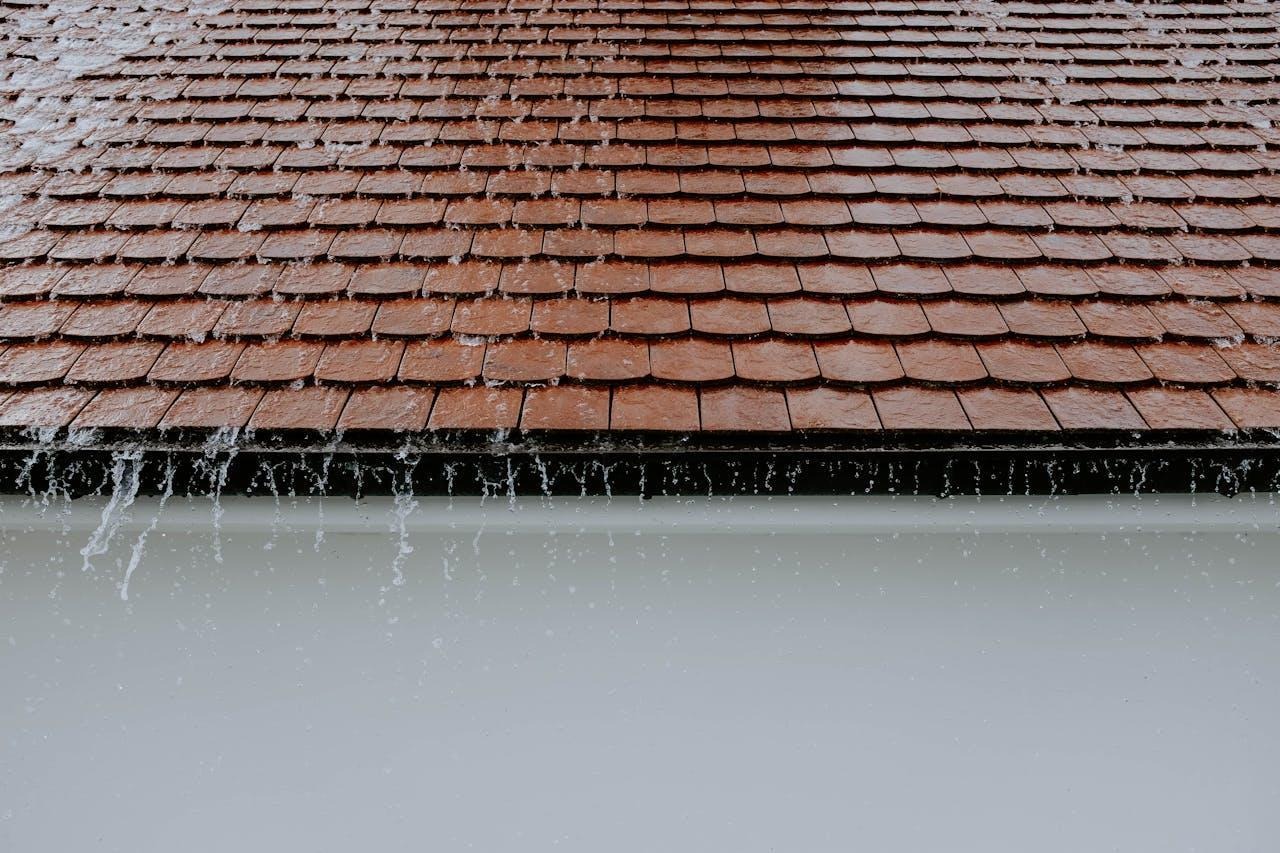
Is your weather app giving you whiplash? One day it’s sunny, the next it’s flooding. In places like Palos Heights, where seasons used to follow a script, the weather now flips without warning. With heatwaves, wild storms, and record-breaking shifts becoming the norm, homeowners are rethinking what it means to feel safe at home. It’s no longer just about comfort or style. People want to know if their roof can handle hail, if their siding can stand up to high winds, and why their energy bills keep climbing.
In this blog, we will share how climate is reshaping home priorities, what really holds up under pressure, and why durable, sustainable choices are becoming essential. Exploring measures like implementing a swppp plan during construction can help manage stormwater responsibly and protect both property and the surrounding environment.
Design Has a New Job Description
Home design used to reflect personal style. Now, it also reflects how well a house stands up to extreme heat, storms, and rising energy demands. Looks still count, but durability and function are now part of the design conversation.
This shift means builders and homeowners are choosing materials that work harder. Think siding that doesn’t melt when the sun decides to crank things up. Or windows that keep cold air inside when summer feels more like the desert.
Even basic upgrades have taken on new urgency. That’s why many people now start their renovation journey by calling a reliable Palos Heights roofing company instead of just browsing tile samples. A roof is no longer just a roof. It’s a shield. And when the forecast looks more like a threat than a suggestion, you want to know yours can hold up under pressure.
Energy Bills Are Climate Clues
Take a look at your electric bill. If it’s suddenly higher than usual, chances are your house is struggling to keep up.
Climate change has turned homes into battlegrounds. Heat creeps in. Cold leaks out. HVAC systems push harder. And every weak point—whether it’s a drafty window or a poorly insulated attic—costs you money every month.
This isn’t just a comfort problem. It’s a financial one. Older homes built for mild seasons now feel out of sync with reality. You can’t rely on spring to be gentle or fall to be breezy. Which means heating and cooling systems are working overtime just to maintain something close to livable.
The fix? Smarter upgrades. Adding more insulation. Installing energy-efficient windows. Replacing outdated appliances. Some homeowners are even investing in solar panels—not just for the environment, but because they’re tired of writing massive checks to the power company.
Stronger Materials for a Shakier World
Imagine this: a sudden hailstorm hits your neighborhood. Two hours later, you’re checking for damage while your neighbor’s roof looks like a broken cookie.
The difference? Materials.
Traditional choices like asphalt shingles or vinyl siding weren’t made for a world where the weather keeps breaking its own records. They were fine when storms were rare and gentle. But now? Not so much.
Newer materials are stepping in. Metal roofs reflect sunlight and handle hail like it’s a gentle tap. Fiber cement siding resists both fire and moisture. Triple-pane windows hold in temperature and block out sound. These aren’t just “nice-to-haves.” They’re becoming the standard for anyone who wants to stay dry, safe, and sane when the next big weather event rolls through.
The Yard Isn’t Just for Looks Anymore
Landscaping is turning into something else entirely. Not just decoration, but defense.
A well-planned yard can help protect your home. Strategic trees can shade your roof and cool the house by several degrees. Permeable pavers can stop runoff from flooding your foundation. Rain gardens absorb water and redirect it away from structures. Even a simple switch from thirsty grass to native plants can make a huge difference in how your home handles extreme weather.
In dry areas, people are ditching traditional lawns for drought-tolerant designs. In flood zones, they’re creating water-smart barriers using soil, stone, and smart elevation.
These aren’t just eco-friendly ideas. They’re practical tools in a homeowner’s arsenal. And yes, they can still look beautiful. In fact, many of today’s best-designed yards are also the most climate-ready.
The Future of Home Is Flexible
If there’s one thing we’ve learned, it’s that weather is unpredictable. So our homes need to be ready for anything.
That might mean adding backup power with a home battery. Or installing a smart thermostat that adjusts based on demand. Some homeowners are creating “resilience rooms” with airtight doors, strong windows, and extra insulation to ride out storms or grid outages.
We’re also seeing new construction lean into modular design. Homes that can be expanded, reinforced, or even relocated if needed. The idea is simple: adapt or get left behind.
And homeowners aren’t just reacting. They’re starting to expect this kind of flexibility. They want homes that work for today and tomorrow. That means builders, designers, and contractors are being pushed to innovate—not with flashy features, but with ideas that make homes safer, cleaner, and more comfortable no matter what the sky decides to throw at them.
Resilient design isn’t a niche anymore. It’s the new must-have.
Where Comfort Meets Climate Strategy
It used to be that “going green” was a lifestyle choice. Something you did because it felt good or matched your values. Now, it’s a survival tactic.
A sustainable home isn’t just better for the planet. It’s more durable. More efficient. More livable in the face of extreme weather and energy uncertainty.
And the beauty is, many of these changes improve both function and style. A sleek metal roof doesn’t just deflect heat. It gives your house an edge. Native landscaping adds depth and color while cutting down on water use. Smart tech makes life easier while quietly saving you money.
Today’s climate-aware homeowner isn’t sacrificing comfort. They’re upgrading it. They’re planning not just for the next season, but for the next decade.
And maybe that’s what home should be now—a space that adapts with you, protects you, and does it all without blinking through the next storm.



Leave a Reply