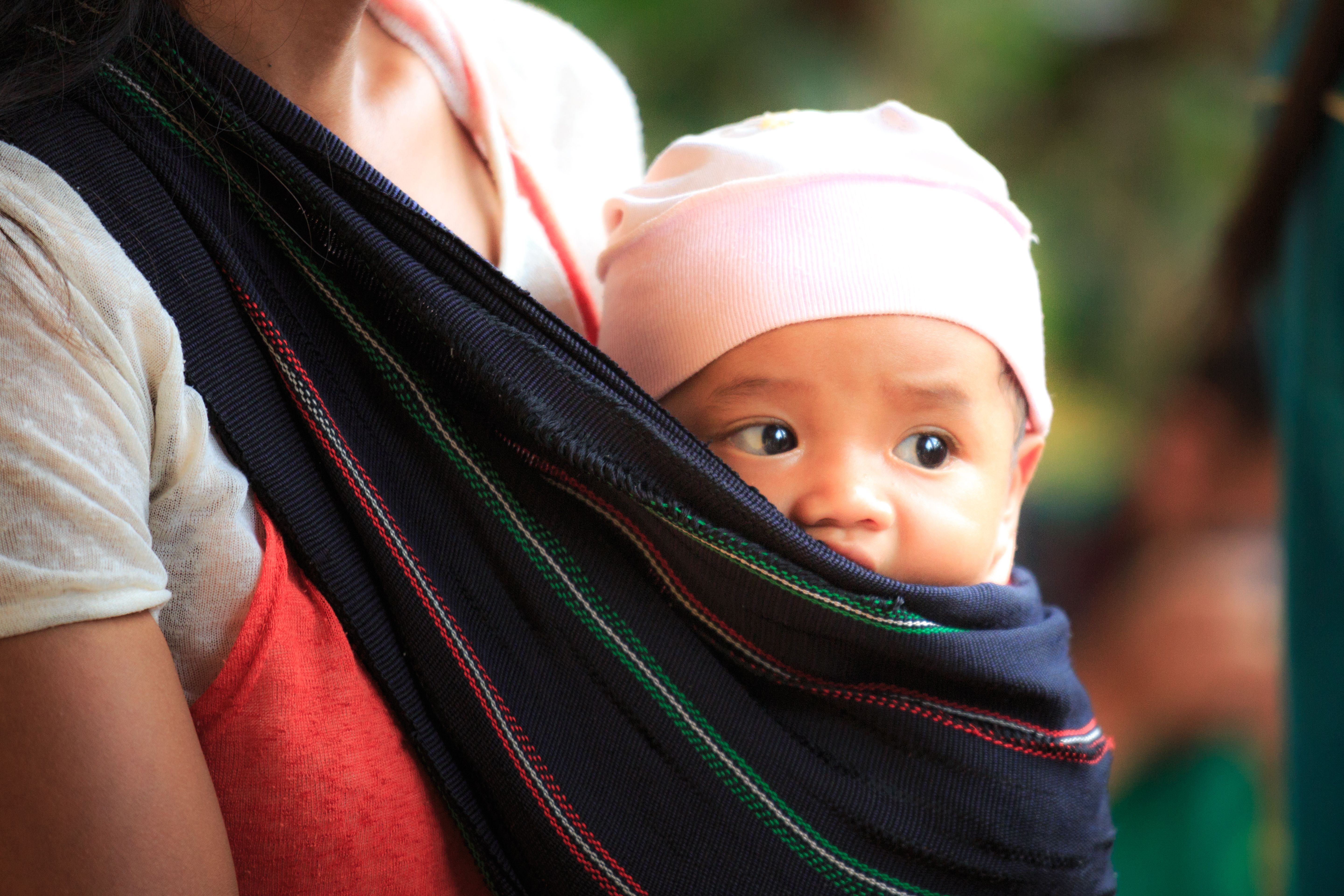
For centuries, caregivers across the globe have kept their infants close by carrying them. This ancient practice, known today as babywearing, is experiencing a modern renaissance. Far from being a fleeting trend, it represents a thoughtful choice by parents seeking to balance the practical demands of life with a desire for deep connection with their children. It offers a way to navigate the world together, with the baby securely nestled and the parent’s hands-free.
The appeal of this practice goes beyond simple convenience. It fosters a unique bond, allowing a parent to be attuned to their baby’s cues while the infant benefits from the soothing rhythm of a familiar heartbeat and warmth. This continuous physical contact can create a calm and secure environment for the baby during the pivotal early months of development.
The enduring appeal of keeping baby close
In the initial weeks and months of a baby’s life, often called the fourth trimester, maintaining closeness is highly beneficial for both the infant and the caregiver. Babywearing directly supports this by mimicking the secure feeling of the womb. This sense of security can lead to a more settled baby, while caregivers report feeling more confident and connected as they learn to read their infant’s needs.
This practice also provides a practical way to integrate a new baby into daily life. Whether it’s navigating a trip to the grocery store, taking a walk, or simply getting tasks done around the house, babywearing allows for mobility and engagement with the world without sacrificing closeness.
Navigating the options in babywearing
The growing interest in babywearing has led to a wide array of choices designed to suit different lifestyles, body types, and preferences. The main categories include long pieces of fabric known as wraps, ring slings that are worn over one shoulder, and more structured carriers with buckles and padded straps. Each style offers a different experience for the wearer and the child.
Understanding the fundamental differences helps parents determine what might work best for their family’s needs. Some may prefer the custom fit of a wrap for a newborn, while others might opt for the ease of soft-structured baby carriers for longer walks or as the baby grows. The right choice is often a matter of personal comfort and intended use.
The role of material and design
Beyond the structural type, the material and design of a carrier play a significant role in the overall experience. Fabrics are the primary point of contact for both parent and baby, making their selection an important consideration. Natural fibers are often favored for their softness and breathability. For instance, a linen baby carrier can be an excellent choice for warmer climates or summer months due to the fabric’s lightweight and cooling properties.
Aesthetics have also become a central element. Today’s parents often view their gear as an extension of their personal style. As such, design, color, and pattern are no longer secondary considerations. When selecting a carrier, many parents think about:
- Seasonality and Climate: Lighter, breathable fabrics for heat versus warmer, cozier materials for cold.
- Fabric Feel and Softness: How the material feels against both the caregiver’s and the baby’s sensitive skin.
- Ease of Care: Whether the fabric is machine washable and durable enough for daily use.
- Aesthetic and Personal Style: A design that the caregiver will feel good about wearing.
A choice for every caregiver
Babywearing is a practice for all parents and caregivers. Fathers, partners, grandparents, and other family members can all experience the bonding benefits of holding a baby close. It provides a wonderful opportunity for non-birthing parents to establish a deep physical connection and play an active role in soothing and caring for the infant from the very beginning.
The industry has responded by creating products that are adjustable and designed to fit a wide range of adult body types, ensuring that any caregiver can comfortably and securely carry a child. This inclusivity reinforces the idea that caring for a baby is a shared, beautiful responsibility.
A considered approach to parenting gear
Ultimately, choosing to incorporate babywearing is a personal decision, reflecting a broader movement towards more mindful consumption in parenting. Many modern caregivers are moving away from accumulating vast quantities of baby items and are instead investing in high-quality, versatile pieces that are both functional and beautiful. They seek out products that are well-crafted, made from quality materials, and designed to last, supporting a philosophy of buying better, but less. This approach transforms a practical item into a cherished tool that supports the family through a unique and fleeting stage of life.



Leave a Reply