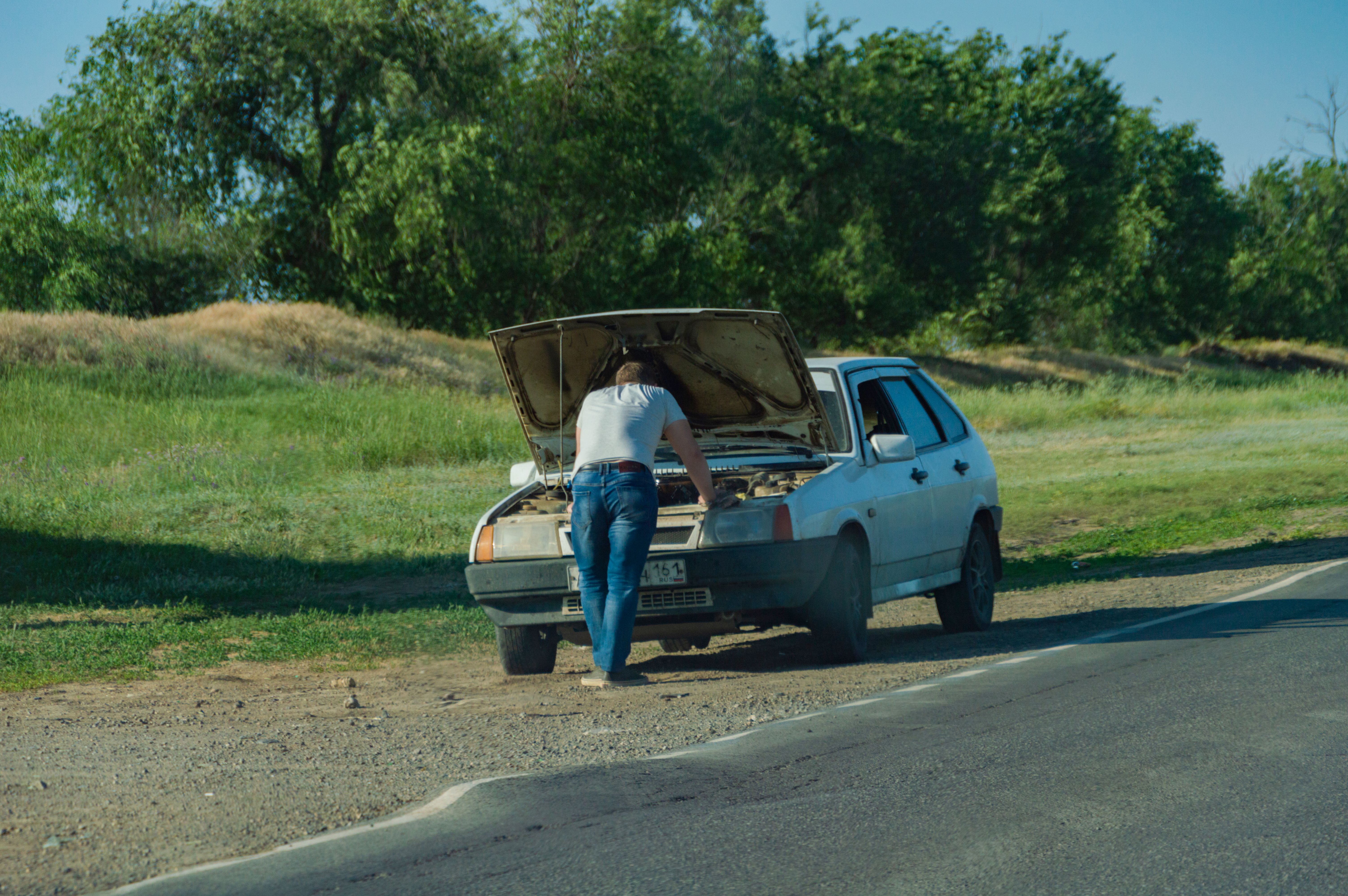
Roadside breakdowns can happen to any driver, no matter how well a car is maintained. A battery can fail on a cold morning, a tyre can pick up a nail on the motorway, or an engine can start overheating on a long drive with little warning. What separates a stressful ten minutes from a genuinely difficult one is usually what’s already in the boot.
The right kit depends on the problems most likely to come up, including a flat battery, a puncture and an overheating engine, and it helps to put one together before a longer trip. It’s also worth knowing what to do when a problem can’t be fixed at the roadside.
Knowing When a Problem Needs More Than a Roadside Fix
Some tyre damage goes beyond what a foam sealant or an inflator kit can handle, particularly a deep sidewall cut, a split in the tread or a wheel bent out of shape by a pothole. Trying to limp to the nearest garage on a badly damaged tyre risks further damage to the wheel or suspension, so it makes more sense to call for help and wait somewhere safe. A number of mobile services now offer fast emergency puncture repairs, sending a technician to fit a replacement tyre at the roadside instead of waiting for a flatbed.
A Basic Roadside Kit Worth Keeping in the Boot
A warning triangle and a high-visibility vest are the two items most likely to be missing from a car when they’re actually needed, since most drivers only think of them once standing at the roadside in the dark. Industry figures have consistently pointed to a flat or failing battery as the leading reason for breakdown call-outs, which is why jump leads are worth keeping too:
- A torch with spare batteries, for the bonnet or being seen after dark
- A first aid kit and a blanket, in case help takes a while
- A tyre inflator or sealant kit, plus a torque wrench for a spare
- A phone charger that works from the car’s own power supply
None of this needs much room in the boot, and most of it fits in a single bag so it’s easy to find in poor light, bad weather or the middle of the night on a quiet road.
Handling a Flat Battery or an Overheating Engine
When a battery does eventually give up, jump leads or a portable pack will usually get the engine started again, provided the battery isn’t too far gone to hold a charge. Some newer models have specific points for attaching leads rather than the terminals, so it’s worth checking the handbook first. An engine that’s overheating needs a different response, since driving on with the gauge in the red risks warping the cylinder head. Pulling over and letting it cool before checking coolant is safer.
Checking Tyres and Fluids Before Setting Off
Tyres are often the last thing drivers think about until one goes flat, yet a legal check takes less than a minute with a 20p coin. UK law sets the legal minimum tread depth at 1.6mm across the central three quarters of each tyre, with a fine and points on a licence per tyre for driving below it. Tyre pressure is worth checking at the same time, since both affect grip and stopping distance in wet weather.



Leave a Reply