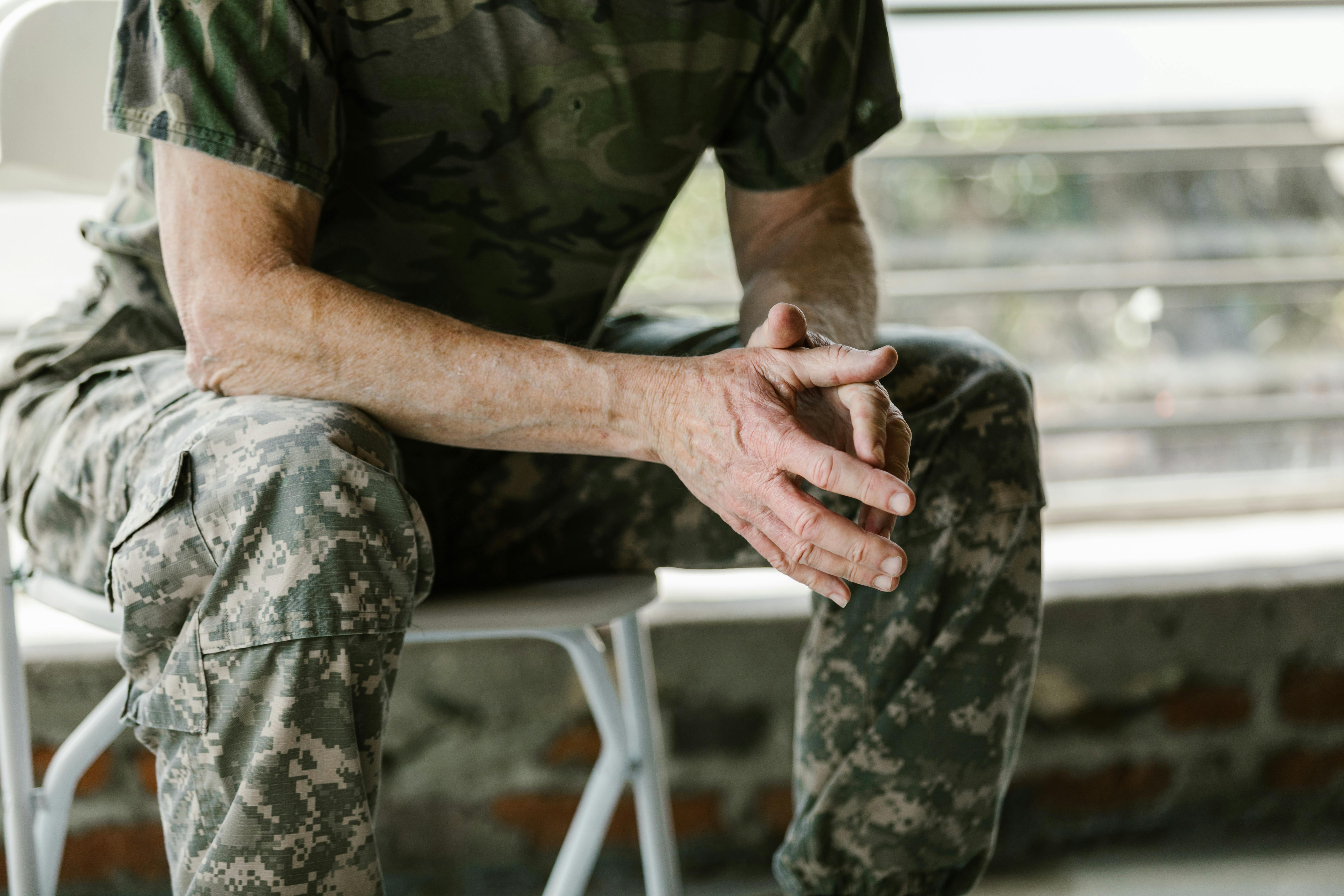
The U.S. military strives for constant development and progress, not just being better or meeting some standard. The reason for this is much deeper and more superficial at the same time. The development of military affairs, its technologies, and cultural changes have been going on for several centuries. After all, this is the process of formation of the army as a whole, its development and progress, which can ensure not only visual changes but also convenience, compliance with specific standards of protection and, at the same time, not limiting the soldier’s capabilities.
That is why the military uniform became an essential component of this development. With its help, it became possible to distinguish units and become an auxiliary element to ensure protection and comfort in combat conditions. The military uniform underwent many changes and progress precisely to meet the needs of the soldier, no matter his rank or where he is. This approach helped the army to develop in different conditions and demonstrated the primary value – a person. Since the beginning of the military, during the process of its formation and up to the present, the uniform of soldiers has undergone many changes, from the most simple clothes that had absolutely no functions to high-tech sets of uniforms for everyone, which ensures the maximum efficiency, comfort and safety of the military. This happened due to constant changes and updates of requirements, as well as feedback from servicemen who used this uniform directly. What challenges and tasks did they set? In this article, let’s consider how the military uniform was developed and why.
A short history of the US Army uniform
The War of Independence was the first critical stage of changes in the military uniform. The reason for the change was that the soldiers of the Continental Army had no uniform at all, but they had to bring their usual clothes and work in them, which was very inconvenient, especially when the fighting started to escalate. So the first attempt was made to standardize the uniform, which consisted of blue jackets with white collars, because it was one of the fastest ways.
However, in 1812, the US Army began making uniforms and standardizing them according to the types of troops, which is how the first details on the uniforms appeared. Blue jackets were handed down to new troop representatives as a legacy, and gray or blue woolen trousers were also added to them.
The Civil War was also an important formative stage, as the soldiers now split into two camps: those who wore blue or brown uniforms. However, materials were also greatly improved, as wool, which was the basis for the former uniform, was not comfortable and reliable enough. The color of the khaki uniform and its cut were changed to the end, which was more practical and convenient in hot climates. This uniform became the basis for the modern uniform that we understand.
The First World War (1914-1918) became a new stage in the development of uniforms because servicemen faced new challenges and needs that required specific changes to the already familiar uniform. Adequate protection, convenience and functionality became paramount for soldiers working on the battlefield.
The main innovation was the olive uniform, which helped soldiers better disguise themselves during battles in natural conditions. And thanks to the wool material, the pants and jacket protected them much better from the cold and wind, which was very important, especially in the cold seasons. After all, the war continued without interruption; the soldiers were constantly in the trenches, so maintaining an average body temperature was necessary.
The second innovation was helmets, which were made based on the British one and provided reliable protection. Due to the mass transition to these helmets, the rate of fatal head injuries among military personnel has decreased significantly.
However, another critical element was the need for a device to see at night. Since it was necessary to gain a particular advantage over the enemy, the development of night vision devices, which were supposed to help soldiers overcome the enemy, began. Thus, it became the basis for modern night vision binoculars military grade.
The Second World War (1939-1945) contributed to and became the reason for even more significant improvement of the military uniform since, in addition to existing functions, the uniform had to fit and adapt to external changes in natural conditions. Conventionally, soldiers could be on the field during cold European winters or hot tropical days. Still, there was no time and space to change their form in combat conditions constantly. Therefore, there was a breakthrough thanks to the use of entirely new materials, such as nylon. Thanks to a much lighter structure, the updated pants and jackets were more comfortable for soldiers and did not restrict their movements, which improved their mobility and combat performance. Shoes were also adapted to sudden changes in temperature and natural changes, so lighter and ventilated shoes for tropical conditions began to be used.
However, not only did the materials help, but the principle of camouflage and the peculiar coloring of the uniform helped to better disguise and avoid direct contact with the enemy, allowing to save the life of the military.
Modern period for uniform
The uniform used by modern military personnel has undergone a long development and improvement to meet the requirements and needs of soldiers. But this does not mean that there is no room for further improvement. The main tasks and goals that the uniform must meet now are reliable protection and lightness, the ability to camouflage in various conditions, which will allow you to perform combat tasks and remain invisible, and of course its convenience, because the speed of reactions and actions depends on this, and sometimes everything task.
The modern uniform of US military personnel has several options, designed for different climatic conditions and to perform tasks regardless of the region. This became possible thanks to the use of the latest materials and various fabrics with high resistance, which allows the uniform to wear out less and does not expose it to fire or moisture. Such materials made the military uniform more durable and comfortable to use and perform tasks. Of course, depending on the type of troops, each unit has its own identifying details.
However, in addition to the form, the latest technologies have introduced various integrations with cameras, night vision devices or communication elements directly into equipment such as helmets or goggles, which previously served only for protection during military operations. The need for such integrations indicates the latest approaches to developing and providing fighters with the best equipment for their safety.
The history of the development of the military uniform of the US Army shows that, regardless of the changes and development of technologies, the highest value remains a person, his life and health. That is why all efforts are directed to the protection of military personnel performing combat tasks, to convenience, which allows easier and faster movement, and to the integration of additional systems to reduce the size and weight of equipment. This approach will help soldiers focus on the task and achieve their goals more effectively.



Leave a Reply